
Building a Car Maintenance Schedule That Actually Works
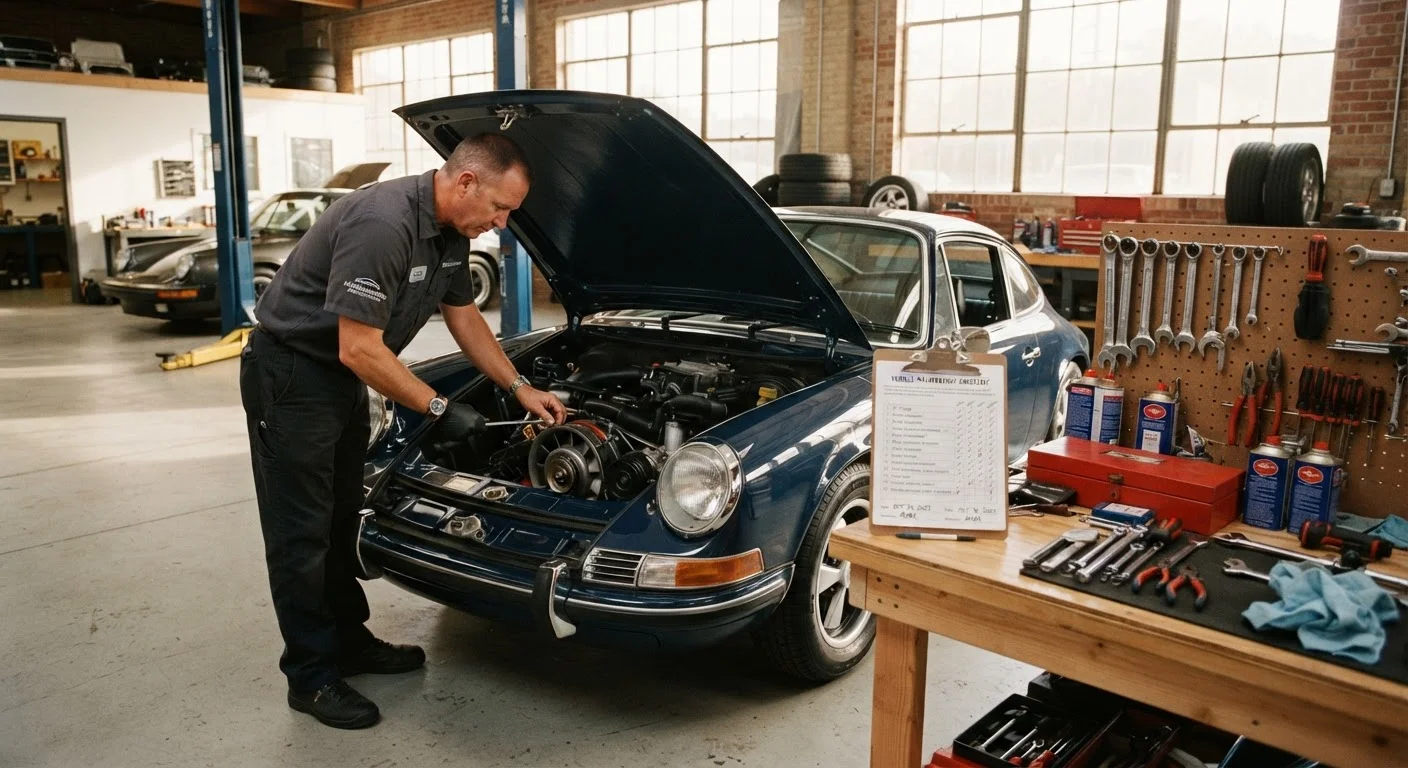
Photo credit: TurboBlogs.net | Explore Blogs At Turbo Speed
In this article
Understand which maintenance tasks matter most, how often they're needed, and how to stay on top of them without guesswork.
Key Takeaways
- Your owner's manual - not generic internet advice - sets the authoritative maintenance intervals for your specific vehicle.
- Most maintenance failures stem from skipping small, inexpensive services that quietly escalate into major repairs.
- Grouping tasks by mileage, time, and season makes a schedule realistic and easy to follow long-term.
- Keeping a written or digital service log protects resale value and helps you spot patterns before they become problems.
Why Most Maintenance Schedules Fall Apart
Most drivers know they should maintain their vehicle. The gap isn't awareness - it's structure. Generic checklists pulled from the internet often don't match your vehicle's actual specifications, which causes either wasted spending on unnecessary services or missed items that quietly compound into expensive failures.
Deferred maintenance rarely stays cheap. What begins as a skipped cabin air filter or an overdue tire rotation can accelerate wear on connected systems. A workable maintenance schedule solves this by removing guesswork and replacing it with a reliable, vehicle-specific rhythm.
Manufacturer Intervals Trump Generic Rules
Popular rules of thumb - like changing oil every 3,000 miles - were written for older engine technology. Many modern vehicles specify 5,000 to 10,000 miles or more between oil changes, depending on oil type and driving conditions. Always cross-reference your owner's manual before scheduling any service.
The Five Practices That Make a Schedule Stick
Effective vehicle maintenance isn't about memorizing a list of tasks - it's about building a system that surfaces the right task at the right time. The practices below reflect how experienced owners and mechanics actually approach long-term vehicle care.
Anchor your schedule to your owner's manual, not generic mileage myths.
Every vehicle has manufacturer-specified intervals based on its actual engineering tolerances and fluid chemistries. Using a one-size-fits-all schedule risks over-servicing (wasted money) or under-servicing (real damage). The manual also distinguishes between normal and severe driving conditions, which affects several key intervals.
Organize tasks into three tiers: every visit, mileage-based, and time-based.
Lumping all maintenance into one undifferentiated list leads to missed items and confusion. A tiered structure makes it obvious what needs attention now versus what can wait - reducing both anxiety and neglect.
Keep a running service log - digital or paper - and update it after every service.
Memory is unreliable, especially across the life of a vehicle. A service log tells you exactly when each task was last completed, helps mechanics diagnose repeat issues, and is a documented asset when you sell the vehicle. Buyers and insurers often view a complete service record as evidence of responsible ownership.
Learn to read your dashboard warning lights as part of your maintenance awareness.
A schedule covers planned maintenance, but vehicles also communicate unplanned needs through warning indicators. Ignoring a light because 'the car still feels fine' often delays a diagnosis until a minor issue has become a costly one. Integrating dashboard awareness into your routine closes the gap between scheduled and reactive care.
Build seasonal checkpoints into the annual schedule, not just mileage triggers.
Temperature extremes affect battery performance, tire pressure, wiper effectiveness, and fluid viscosity in ways that mileage alone doesn't capture. A car driven mostly on weekends may hit a calendar threshold for battery age before it hits a mileage threshold for oil change.
For a broader look at how these habits fit into the full arc of ownership, see a complete guide to car ownership covering financing, upkeep, and eventual sale.
Stat Benchmarks: What the Numbers Tell You
Understanding typical service intervals in real terms helps calibrate your schedule and spot when a recommendation seems off. These figures represent general industry ranges - always verify against your specific owner's manual.
5,000-7,500 mi
Typical oil change interval for modern engines
Many vehicles with full synthetic oil can go 7,500 to 10,000 miles between changes; consult your manual for your specific engine and oil type.
~$1,200
Average annual vehicle maintenance cost for U.S. drivers
According to AAA's annual Your Driving Costs study, routine maintenance and repair costs average roughly $1,200 per year for a typical new vehicle.
15,000-30,000 mi
Engine air filter replacement interval
Driving in dusty or urban environments can shorten this range considerably; a visual inspection at each oil change takes seconds.
Start Today: Quick Wins to Anchor Your Routine
Building a lasting maintenance habit starts with low-effort, high-impact actions you can take right now. These quick wins create the foundation of a schedule before you've committed to anything complex.
This article provides general vehicle maintenance information for educational purposes only. For guidance specific to your vehicle, driving conditions, or mechanical concerns, consult a qualified mechanic or refer to your manufacturer's documentation.

Author
Autos & Insurance Editorial Team
Autos & Insurance Editorial Team is the collective byline for our editorial team and contributor network. Articles published under this byline or an editorial pen name are researched, written, and reviewed according to our editorial standards for clarity, consistency, and independence before publication.
View all articles →