
How Rent Increases Work - and When They Cross a Legal Line
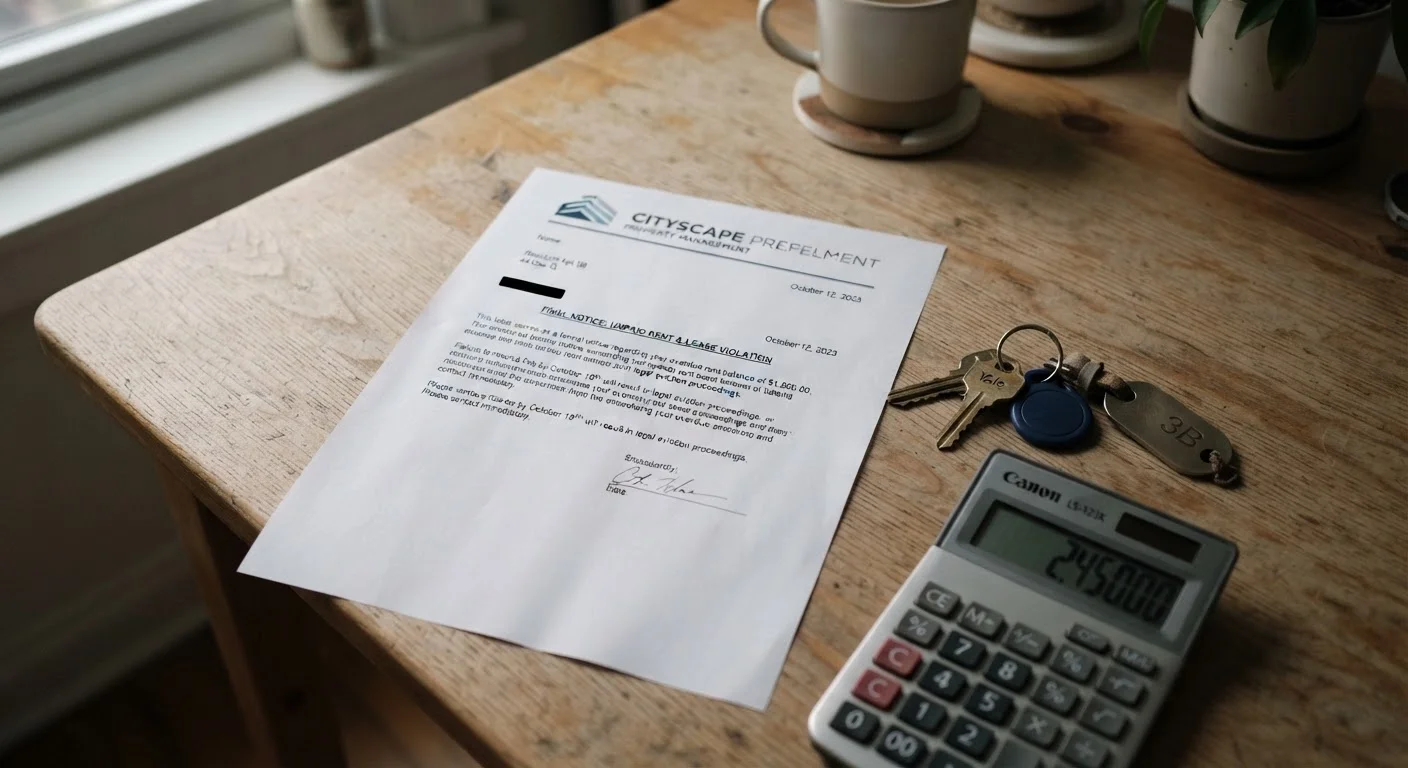
Photo credit: TurboBlogs.net | Explore Blogs At Turbo Speed
In this article
Understand notice requirements, rent control basics, and what makes a rent hike potentially unlawful in your state.
Key Takeaways
- Landlords must give written notice before raising rent - typically 30 to 60 days depending on the state.
- Active lease terms generally prevent mid-lease rent increases unless the lease explicitly allows them.
- Rent control and rent stabilization laws exist in many cities and limit how much landlords can raise rent annually.
- A rent increase issued in response to a complaint or repair request may constitute illegal retaliation.
- Always document rent increase notices and your responses in writing.
What Governs a Landlord's Right to Raise Rent
Rent increases don't exist in a legal vacuum. Three overlapping frameworks shape what a landlord can do: the lease agreement itself, state landlord-tenant statutes, and - where they exist - local rent control or rent stabilization ordinances.
Your lease is the first place to look. A fixed-term lease (say, a 12-month agreement) typically prevents any rent change until that term ends. If the lease has a rent escalation clause - a provision allowing increases of a set percentage annually - that clause controls, provided it's clearly written and legally valid in your state. For a plain-language breakdown of common lease provisions, see our rental agreement glossary.
State law sets the floor for procedural requirements everywhere. Even in states without rent control, statutes generally require written notice before any increase takes effect - and they specify how far in advance that notice must arrive.
Month-to-Month vs. Fixed-Term Tenancy
The type of tenancy you hold significantly affects when a landlord can raise your rent. Fixed-term leases lock in your rent for the duration of the agreement. Month-to-month tenancies give landlords more flexibility to propose increases - but they must still follow state notice rules. If your fixed-term lease ends and you stay without signing a new one, you typically convert to a month-to-month arrangement automatically, at which point the landlord can introduce new terms with proper notice.
Notice Requirements: Timing and Form
Across most of the U.S., landlords must deliver rent increase notices in writing and with sufficient advance notice. The most common thresholds:
- 30 days: Standard minimum for month-to-month tenants in many states.
- 60 days: Required in states such as California for increases above 10%, and in several others for all increases.
- 90 days: Required in a smaller number of jurisdictions, often tied to larger increases or longer tenancies.
Notice delivered verbally, by text, or without adequate lead time may not be legally valid - meaning you may not be obligated to pay the higher amount until proper notice is re-served. Keep every written notice you receive and note the date it was delivered.
30-90
Days' notice required before a rent increase (varies by state)
Most U.S. states mandate between 30 and 60 days' written notice; some require 90 days for larger increases or longer-term tenancies.
~200+
U.S. jurisdictions with some form of rent regulation
According to the National Multifamily Housing Council, over 200 cities and counties across the U.S. have enacted some form of rent control or stabilization ordinance.
Fair Housing Act
Federal law prohibiting discriminatory rent practices
The federal Fair Housing Act of 1968 prohibits landlords from imposing different rent terms or increases based on protected characteristics including race, religion, sex, and national origin.
Rent Control and Rent Stabilization: Cities That Cap Increases
Rent control and rent stabilization ordinances exist in a number of U.S. cities and counties - most prominently in California, New York, New Jersey, Oregon, and Washington D.C. - though the specifics differ substantially from one jurisdiction to another.
Under a rent stabilization framework, landlords can raise rent annually but only up to a maximum percentage set by the local authority, often tied to the local Consumer Price Index. Exceeding that cap - even by a small amount - may be a legal violation and grounds for a rent rollback.
Rent control ordinances, often older and stricter, may set hard dollar ceilings on what can be charged for a given unit. These protections typically apply only to buildings constructed before a certain date, and some newer construction is explicitly exempt.
If you live in a city with these protections, your landlord is required to stay within the allowable increase - and you have a right to challenge overcharges through a local rent board or housing agency. To understand the broader legal protections renters hold, see tenant rights every renter should understand.
When a Rent Increase Crosses a Legal Line
Not every rent increase is lawful, even where no rent control exists. Several circumstances can render an increase illegal or unenforceable:
- Insufficient notice: An increase that doesn't meet state notice requirements cannot be enforced until proper notice is given.
- Mid-lease increases without a contractual basis: Raising rent during a fixed-term lease without an express lease provision permitting it generally constitutes a breach of the rental agreement.
- Exceeding rent stabilization caps: In controlled jurisdictions, overcharging is a violation regardless of whether it was intentional.
- Retaliatory increases: If a landlord raises rent shortly after you reported a code violation, requested repairs, or asserted a legal right, most states treat this as illegal retaliation. For more on your options when landlords fail to respond to repair requests, see our maintenance request playbook.
- Discriminatory increases: Raising rent selectively based on a tenant's race, national origin, religion, sex, familial status, or disability violates the federal Fair Housing Act and potentially state law.
Keep a Written Record of Every Notice
If you ever need to challenge a rent increase - whether for insufficient notice, a rent stabilization violation, or suspected retaliation - your paper trail is your strongest asset. Save every written notice, email, and letter from your landlord. Note the date each piece of communication was received, and send any responses via email or certified mail so you have a timestamped record.
If you suspect an increase is unlawful, your first step should be to document everything - dates, amounts, written notices, and any communications with your landlord. Then contact your local housing authority or a tenant rights organization for guidance specific to your jurisdiction.
Responding to a Rent Increase: Your Practical Options
Receiving a rent increase notice doesn't mean your only choices are to pay or move. Here's how to approach the situation methodically:
- Verify the notice is valid. Confirm it's in writing, delivered on time under your state's law, and addresses the correct effective date.
- Check local rules. Look up whether your city or county has a rent stabilization board and whether your building qualifies for coverage.
- Review your lease. Look for any provisions that limit increases or require a longer notice period than state law.
- Negotiate. Landlords are not always inflexible - especially if you're a reliable, long-term tenant. A documented track record of on-time payments gives you a reasonable basis to negotiate.
- Know your exit rights. If the increase is lawful but unaffordable, understand what leaving the tenancy will cost you. See lease renewal and early exit options for a breakdown of those costs.
This article is for general informational purposes only and does not constitute legal advice. Landlord-tenant laws vary significantly by state and locality. Consult a licensed attorney or contact a local tenant rights organization for guidance specific to your situation.
Frequently Asked Questions

Author
Home & Real Estate Editorial Team
Home & Real Estate Editorial Team is the collective byline for our editorial team and contributor network. Articles published under this byline or an editorial pen name are researched, written, and reviewed according to our editorial standards for clarity, consistency, and independence before publication.
View all articles →