
Dietary Fiber: Why Most Americans Fall Short and What to Do About It
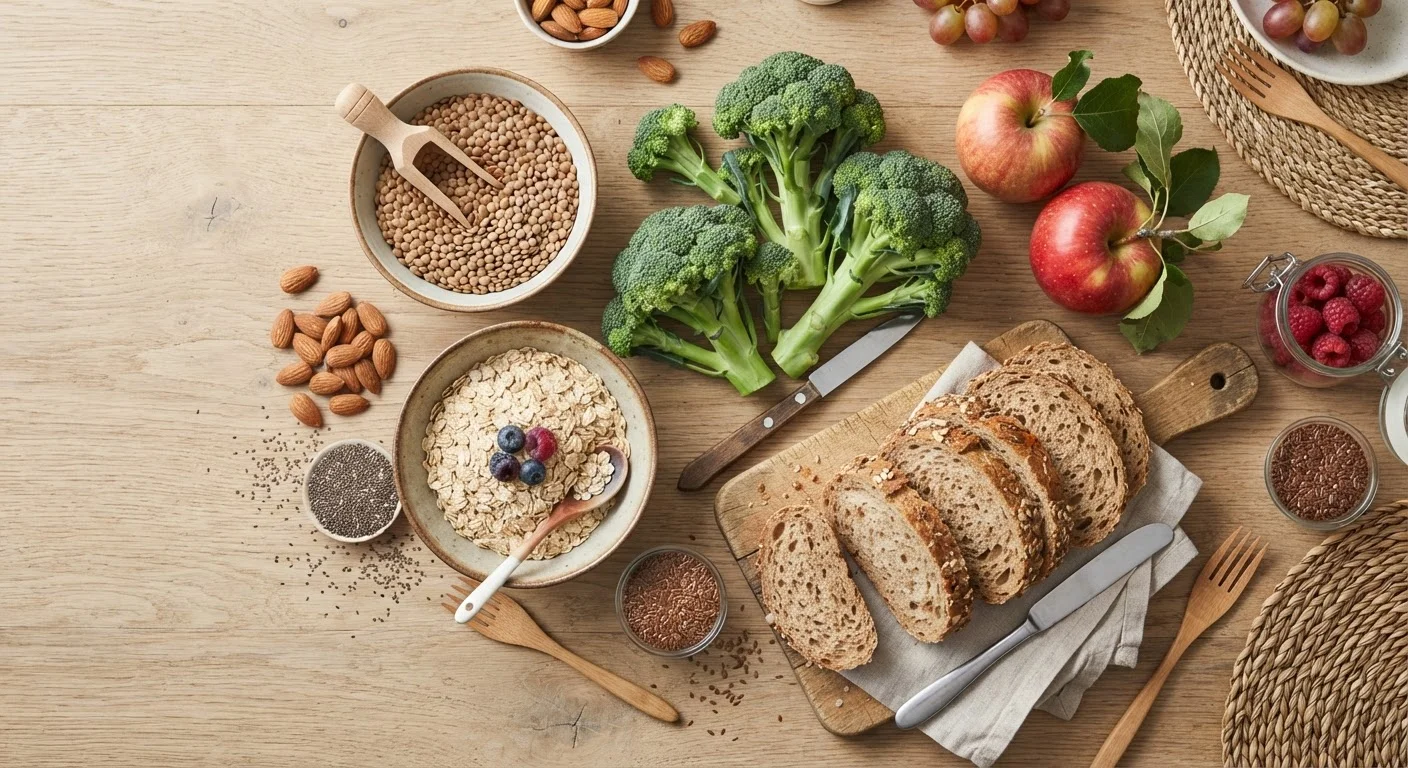
Photo credit: TurboBlogs.net | Explore Blogs At Turbo Speed
In this article
Explore what fiber does in the body, the two main types, and practical ways to get more of it through everyday foods.
Key Takeaways
- Most American adults consume roughly half the daily fiber recommended by dietary guidelines.
- Fiber comes in two main forms - soluble and insoluble - and both serve distinct functions in the body.
- Legumes, whole grains, fruits, and vegetables are the most accessible high-fiber food sources.
- Increasing fiber gradually and drinking adequate water helps avoid digestive discomfort.
- Fiber intake appears on the Nutrition Facts label, making it easy to compare foods at the grocery store.
The Fiber Gap: Where Americans Stand
Despite fiber's well-documented role in health, surveys consistently show that most American adults consume far less than recommended. The average intake hovers around 15-17 grams per day - roughly half of the Dietary Guidelines target. Researchers sometimes call this a "fiber gap," and it's largely explained by a food supply and eating culture that skews toward refined grains, processed snacks, and animal products rather than the legumes, vegetables, and whole grains that deliver fiber in meaningful amounts.
~15 g
Average daily fiber intake for U.S. adults
The Dietary Guidelines for Americans estimate average adult consumption at roughly 15-17 grams per day, well below the 25-38 gram target range.
95%
Americans who fall below the fiber recommendation
Research published in the American Journal of Lifestyle Medicine found that dietary fiber is one of the most underconsumed nutrients in the U.S. population.
10-15 g
Fiber difference between refined and whole grain diets
Swapping refined grains for whole grain equivalents across a typical day can add an estimated 10-15 grams of fiber without otherwise changing eating habits.
Understanding why fiber matters - and which foods actually contain it - is one of the more practical steps anyone can take toward a better-quality diet. If you're just starting to eat healthier, fiber is a genuinely useful place to focus attention.
Two Types of Fiber, Two Roles in the Body
Fiber is not a single substance. It divides into two broad categories, each with distinct behavior in the digestive tract:
- Soluble fiber dissolves in water to form a gel-like substance in the gut. This slows digestion, moderates blood sugar responses after meals, and has been linked to reductions in LDL (low-density lipoprotein) cholesterol levels. Oats, barley, apples, citrus fruits, and legumes are rich sources.
- Insoluble fiber does not dissolve in water. Instead, it adds bulk to stool and helps food move more efficiently through the intestines, supporting regularity. Whole wheat products, nuts, seeds, and many vegetables - particularly their skins - provide insoluble fiber.
Most whole plant foods contain a mix of both types, which is one reason that dietary patterns built around plants tend to deliver fiber across both categories. Widely studied dietary patterns like the Mediterranean and DASH diets both emphasize the plant foods highest in fiber.
Start With One Swap at a Time
Rather than overhauling your entire diet, identify a single meal where a higher-fiber option is realistic - switching to whole grain bread, adding beans to a soup, or finishing a meal with fruit instead of a processed snack. One change sustained consistently over weeks adds up more reliably than an ambitious plan that's hard to maintain.
Finding Fiber in Everyday Foods
Increasing fiber doesn't require specialty products or dramatic dietary overhauls. The most fiber-dense foods are also among the most affordable staples available:
- Legumes: One cup of cooked lentils provides roughly 15 grams of fiber. Black beans, chickpeas, and kidney beans are similarly concentrated sources that work in soups, salads, and grain bowls.
- Whole grains: Oats, barley, quinoa, and whole wheat bread and pasta deliver meaningfully more fiber than their refined counterparts. Checking the Nutrition Facts label makes it straightforward to compare options - see how to read a nutrition label without the guesswork for practical guidance.
- Fruits: Raspberries, pears, and avocados are particularly fiber-rich. Eating fruit whole - rather than juiced - preserves most of the fiber.
- Vegetables: Broccoli, Brussels sprouts, carrots, and sweet potatoes are reliable contributors. Leaving edible skins on adds insoluble fiber.
For budget-conscious shoppers, dried beans and lentils rank among the most cost-effective fiber sources available. Eating well on a budget is genuinely achievable when legumes and whole grains anchor meals.
How to Increase Fiber Comfortably
Adding fiber abruptly - say, doubling intake overnight - commonly causes bloating and gas because gut bacteria need time to adjust to a changed substrate. A gradual approach works better: add one or two higher-fiber swaps per week and let your digestive system adapt.
Adequate hydration matters as much as gradual progression. Fiber absorbs water as it moves through the gut; without enough fluid, insoluble fiber can actually slow transit rather than support it.
It's also worth noting that fiber interacts with other dietary components. High-fiber diets tend to be naturally lower in added sugar, since whole plant foods displace ultra-processed items. That nutrient trade-off compounds the overall benefit.
Fiber Needs Vary by Individual
People with certain gastrointestinal conditions - such as irritable bowel syndrome or inflammatory bowel disease - may respond differently to specific fiber types or amounts. If you have a diagnosed digestive condition or experience persistent GI symptoms, consult a registered dietitian or gastroenterologist before significantly changing your fiber intake.
This article is for general informational purposes only and does not constitute medical or dietary advice. Speak with a qualified healthcare provider or registered dietitian for guidance tailored to your individual health needs.
Frequently Asked Questions

Author
Health & Wellness Editorial Team
Health & Wellness Editorial Team is the collective byline for our editorial team and contributor network. Articles published under this byline or an editorial pen name are researched, written, and reviewed according to our editorial standards for clarity, consistency, and independence before publication.
View all articles →