
Added Sugar: What It Is, Where It Hides, and How Much Is Too Much
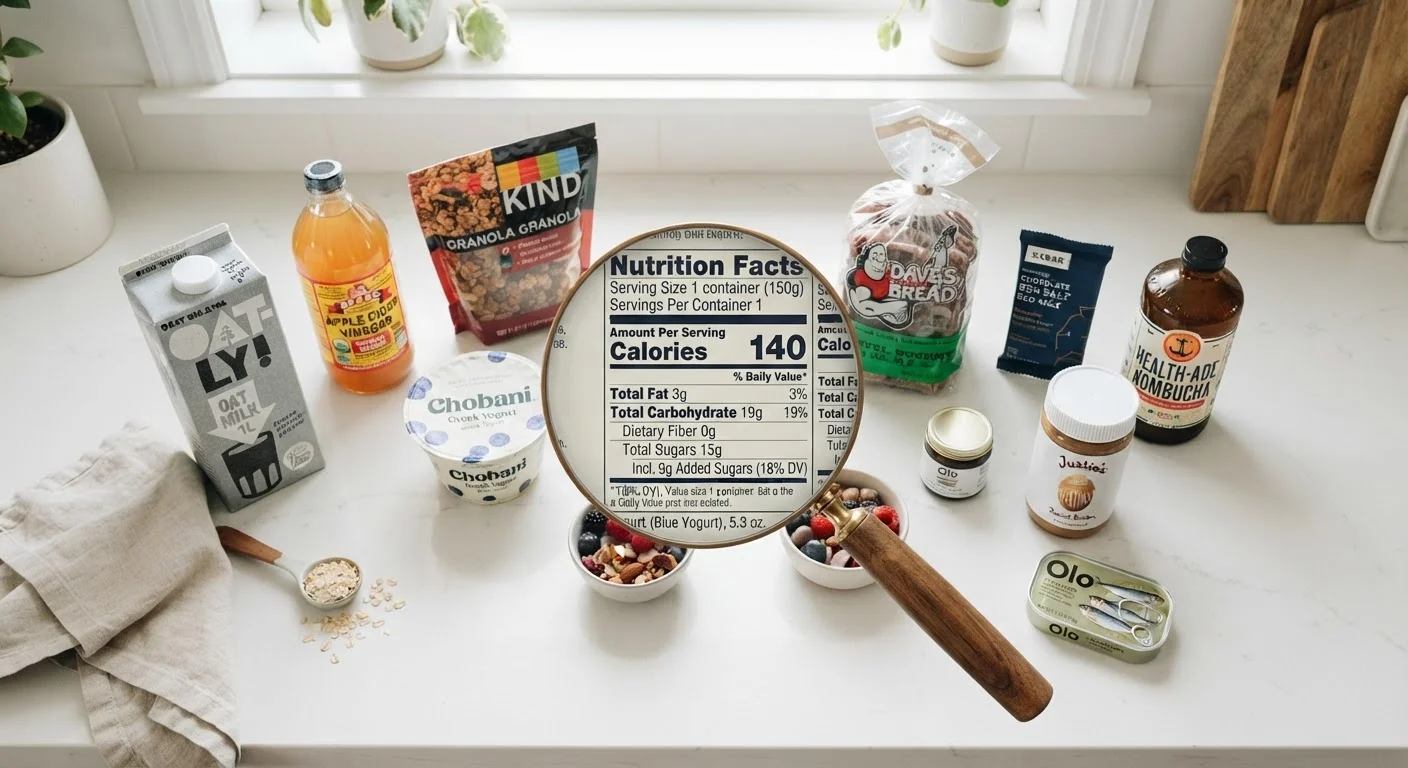
Photo credit: TurboBlogs.net | Explore Blogs At Turbo Speed
In this article
Clarifies the difference between natural and added sugar, identifies common dietary sources, and explains U.S. dietary guidelines on daily limits.
Key Takeaways
- Added sugars are sweeteners introduced during food processing, not those naturally found in whole foods.
- The U.S. Dietary Guidelines recommend limiting added sugar to less than 10% of daily calories.
- Sugary beverages - including sodas, flavored coffees, and fruit drinks - are the single largest source of added sugar in the American diet.
- Added sugar appears under more than 60 different names on ingredient lists, making label reading essential.
- Reducing added sugar intake is associated with lower risk of several chronic health conditions, according to established research.
Natural Sugar vs. Added Sugar: Why the Distinction Matters
When most people think about cutting back on sugar, they picture avoiding candy and soda. But the conversation around sugar in nutrition science is more precise - and more useful - when it separates naturally occurring sugars from added sugars.
Naturally occurring sugars are integral to whole foods. The fructose in an apple and the lactose in plain milk are accompanied by fiber, protein, calcium, and other nutrients that influence digestion and nutrient absorption. Your body doesn't encounter that sugar in isolation.
Added sugars, by contrast, are introduced during manufacturing or food preparation. When a yogurt brand stirs in cane syrup, or when a bread recipe calls for molasses, those sweeteners add calories without the nutritional context of the original whole food. Over time, frequent consumption of foods high in added sugar can crowd out more nutrient-dense choices. For a broader foundation in reading food labels, see our guide to reading a Nutrition Facts label.
17 tsp
Average daily added sugar consumed by U.S. adults
According to the Centers for Disease Control and Prevention, American adults consume an average of about 17 teaspoons of added sugar per day - well above the recommended limit.
~39g
Added sugar in one 12-oz regular soda
A single standard can of a leading cola-style soda contains approximately 39 grams of added sugar, close to the full recommended daily limit for many adults.
60+
Names for added sugar on ingredient lists
Nutrition researchers and consumer advocacy groups have identified more than 60 distinct terms used to identify added sugars on packaged food ingredient labels in the U.S.
Where Added Sugar Actually Hides
The most obvious sources of added sugar - candy bars, soft drinks, pastries - are rarely where the surprises are. The challenge for most Americans is the sugar embedded in foods that don't register as sweet.
- Condiments and sauces: Ketchup, barbecue sauce, teriyaki marinade, and many salad dressings can carry 4-10 grams of added sugar per serving.
- Flavored dairy and dairy alternatives: Vanilla-flavored yogurt, plant-based milks, and flavored cottage cheeses frequently list added sweeteners among the top ingredients.
- Breakfast foods: Granola, instant oatmeal packets, and even many "whole grain" cereals can contain 10-15 grams per serving.
- Packaged breads: Many commercially produced sandwich breads include high-fructose corn syrup or sugar to improve texture and shelf life.
- Beverages beyond soda: Sweetened iced teas, sports drinks, flavored coffees, and fruit-flavored drinks are collectively the single largest source of added sugar in the American diet.
Added sugar also appears under more than 60 ingredient names, including dextrose, maltose, evaporated cane juice, agave nectar, fruit juice concentrate, and barley malt syrup. Recognizing these terms on an ingredient list is one of the most practical label-reading skills a consumer can develop.
Use the Ingredient List, Not Just the Label
The Nutrition Facts panel shows added sugar in grams, but the ingredient list tells you what form it takes and how prominently it features. Ingredients are listed in descending order by weight - if any form of sugar appears in the first three ingredients, it's a significant component of that product. Familiarizing yourself with alternate sugar names (dextrose, maltose, cane juice, agave) makes scanning labels faster and more accurate.
How Much Is Too Much: Understanding the Guidelines
The 2020-2025 Dietary Guidelines for Americans recommend that added sugars account for less than 10% of total daily calories. For someone eating roughly 2,000 calories per day, that ceiling is approximately 50 grams - equivalent to about 12 teaspoons. A single 12-ounce regular soda often contains around 39 grams of added sugar, illustrating how quickly the limit can be reached.
The American Heart Association applies a stricter standard: no more than 25 grams of added sugar per day for women and no more than 36 grams for men. These figures emerge from research linking higher added sugar intake to elevated triglycerides, blood pressure changes, and increased cardiovascular risk.
For children, the guidelines are more conservative still, and the American Academy of Pediatrics recommends avoiding added sugar entirely for children under 2 years of age. If you have specific concerns about sugar intake for children or anyone with a chronic condition, consult a qualified healthcare provider.
Added Sugar on the Nutrition Facts Label
Since 2020, the updated U.S. Nutrition Facts label requires manufacturers to list "Added Sugars" as a separate line under "Total Sugars," along with a percentage of the Daily Value based on a 50-gram reference intake. This change was specifically intended to help consumers distinguish between sugars inherent to ingredients and those added during processing. Not all products have transitioned to the updated label format, particularly smaller manufacturers given extended compliance timelines.
Reducing added sugar doesn't require eliminating all sweetness. Whole fruits, naturally flavored unsweetened foods, and home cooking with intentional use of small amounts of sweetener are practical strategies that fit within evidence-based dietary patterns. This connects to the broader principle of building a sustainable eating pattern - something explored further in our introduction to healthy eating. For context on another dietary nutrient most Americans underconsume, see our overview of dietary fiber.
This article is for general informational and educational purposes only and is not a substitute for personalized medical or dietary advice. Consult a qualified healthcare professional for guidance specific to your health needs.
Frequently Asked Questions

Author
Health & Wellness Editorial Team
Health & Wellness Editorial Team is the collective byline for our editorial team and contributor network. Articles published under this byline or an editorial pen name are researched, written, and reviewed according to our editorial standards for clarity, consistency, and independence before publication.
View all articles →