
Envelope Budgeting in a Cashless World
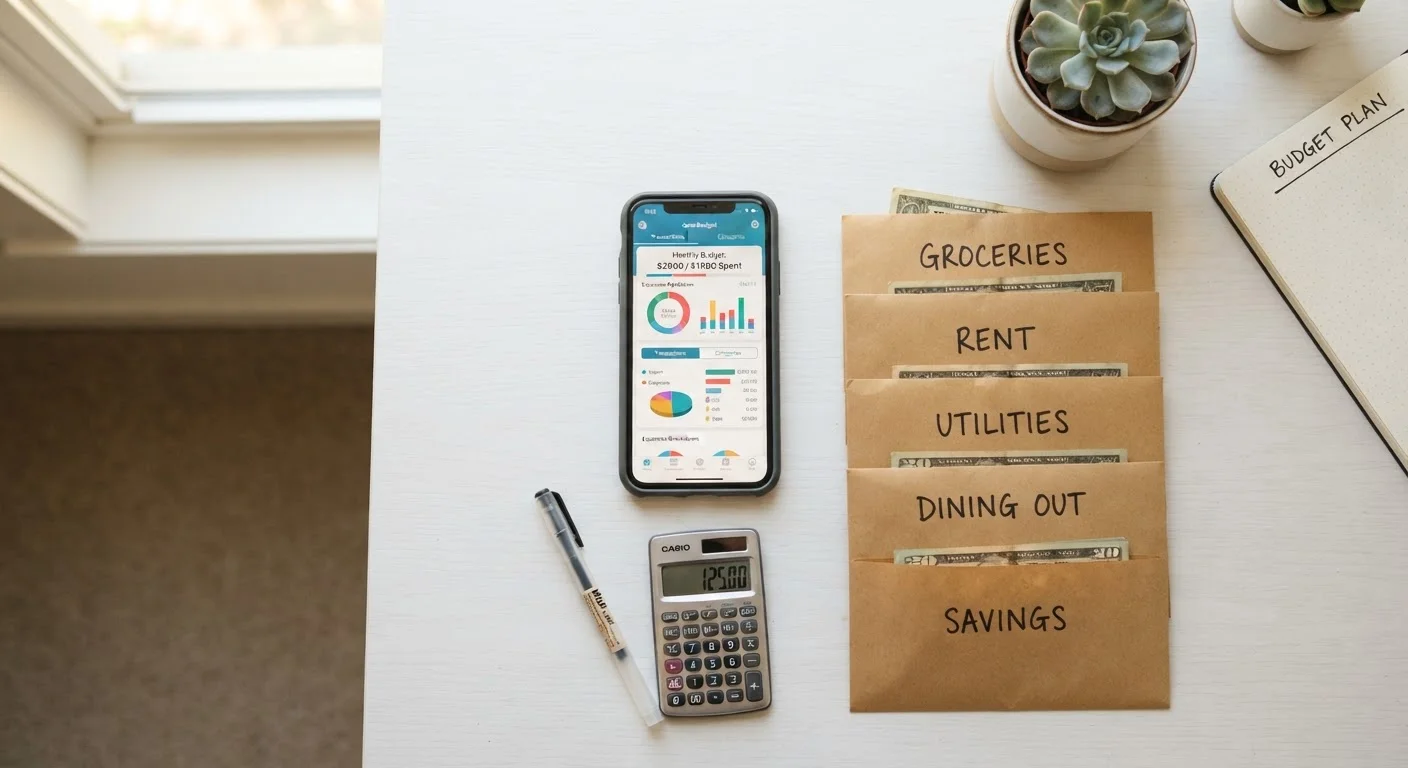
Photo credit: TurboBlogs.net | Explore Blogs At Turbo Speed
In this article
The classic cash envelope system updated for digital payments. Discover how the core principle still works without physical cash.
Key Takeaways
- Envelope budgeting assigns every spending category a fixed dollar limit before the month begins.
- Digital versions replace physical cash with sub-accounts, prepaid cards, or budgeting apps.
- The psychological power comes from hard limits, not the physical format of money.
- Reviewing and adjusting category limits monthly keeps the system aligned with real life.
- You can replicate the 'envelope is empty' stop signal through app alerts or tracked balances.
Why Envelope Budgeting Still Makes Sense
The envelope budgeting system dates to an era when paycheck cash was literally sorted into labeled envelopes - one for groceries, one for gas, one for utilities. When an envelope ran out, spending in that category stopped. No overdraft, no guesswork, no negotiating with yourself at the checkout line.
The method endures because its logic is sound: pre-committing a fixed dollar amount to each category removes the temptation to mentally borrow from one area to cover another. Research in behavioral economics consistently finds that hard limits outperform vague intentions when it comes to impulse spending control.
Today, fewer than 20% of Americans use cash for most purchases, according to Federal Reserve payment studies. That doesn't make envelope budgeting obsolete - it just means the envelope needs a digital address. The mechanics change; the discipline doesn't. For a grounding in terms like discretionary spending and net income that underpin this system, see the budgeting glossary before you begin.
The Real Value Is Psychological, Not Mechanical
Physical cash works partly because spending it feels more tangible than swiping a card. Digital envelopes recreate this effect by making category limits visible and finite. Checking your dining balance before ordering - rather than checking your total account balance - is what changes behavior. Keep your tool visible and frictionless to access, or the habit won't stick.
What You'll Need Before You Start
Digital envelope budgeting requires a few decisions upfront. Choose your tools, then commit to them for at least one full month before evaluating.
What you will need
Budgeting app with envelope or category features
Automates balance tracking within each spending category and sends alerts when limits are near.
Bank sub-accounts or savings buckets
Physically separates funds by category within your existing bank, creating a hard balance floor for each envelope.
Spreadsheet (Google Sheets or Excel)
Provides a manual, fully customizable ledger for readers who prefer not to connect apps to their bank accounts.
Dedicated debit or prepaid card per category
Loaded with only the envelope amount, it replicates the physical cash experience for categories prone to overspending.
Step-by-Step: Building Your Digital Envelope System
Follow these steps in order. The setup takes most people under an hour; the habit solidifies within two to three pay cycles.
Calculate your monthly spendable income
Start with your actual take-home pay - the amount deposited after taxes, benefits, and any automatic retirement contributions. If your income varies month to month, use a conservative estimate based on your three lowest-earning months over the past year. This is the total pool you'll divide across envelopes.
List and categorize your spending
Review two to three months of statements and group every expense into categories. Start broad: Housing, Transportation, Food, Utilities, Personal Care, Entertainment, Savings, Debt Payments. Sub-divide only where a category is large enough to warrant its own limit (e.g., split Food into Groceries and Dining Out). Aim for no more than 10-12 categories - more than that and the system becomes difficult to maintain.
Assign a dollar limit to each category
Allocate your spendable income across your categories. Fixed expenses (rent, loan minimums) get their exact amounts first. Distribute the remainder across variable categories based on past spending and priorities. The total across all envelopes must equal - not exceed - your monthly take-home. If the numbers don't balance, reduce variable categories, not fixed obligations.
Set up your digital envelopes
In your chosen tool, create a labeled entry for each category and enter its monthly limit. In a budgeting app, this is typically called a budget category or fund. In a spreadsheet, create a column per category with a running balance. If using bank sub-accounts, transfer each category's amount into the corresponding account at the start of the month. The goal is that every dollar is assigned a home before any spending begins.
Log every transaction to the correct envelope
Each time you spend, deduct the amount from the appropriate category. Apps linked to your bank can do this automatically (though categories may need manual correction). Spreadsheet users should log purchases the same day to avoid falling behind. This real-time tracking is the functional equivalent of physically removing cash - it keeps each envelope's remaining balance visible and meaningful.
Stop spending when an envelope is empty
This is the discipline that gives the system its power. When a category's balance reaches zero, spending in that category stops for the remainder of the month. Resist the urge to immediately transfer funds from another envelope - that behavior, repeated regularly, means your limits aren't realistic and need adjustment. If a genuine emergency arises (not a want), transfer deliberately, document it, and adjust next month's limits accordingly.
Don't Budget Against Credit Card Rewards
Some people charge every expense to a rewards card and pay the balance in full monthly, intending to track spending through the envelope system. This works only if the full balance is paid monthly without exception. Carrying any balance introduces interest costs that eliminate the value of any rewards - and can silently inflate spending because the 'envelope' never actually empties mid-month. If you're new to envelope budgeting, use a debit card or a dedicated prepaid card until your tracking habits are solid.
Keeping the System Running Month to Month
Setup is the easy part. Consistency is where most budgeters stall. A few habits make the difference between a system that lasts and one that's abandoned by February.
Check balances weekly, not daily. Daily checking can feel punishing and creates anxiety without useful data. A weekly five-minute review tells you whether a category needs attention before you overspend it, not after.
Roll over thoughtfully. If your dining envelope has $30 left at month's end, decide deliberately: carry it forward, transfer it to savings, or absorb it into next month's budget. Don't let leftover funds silently accumulate with no purpose - that's how the system loses its structure.
Run a monthly audit. Actual spending almost never matches projections in the first few months. A structured monthly budget audit helps you catch persistent overspend categories and recalibrate limits to reflect reality rather than wishful thinking.
Envelope budgeting is one tool in a broader personal finance toolkit. If you want a method that accounts for every single dollar - including savings and debt payments - the zero-based budgeting approach is a natural complement. For the full picture of how budgeting frameworks fit together, the complete personal budgeting guide covers every life stage and strategy.
This article is for general informational and educational purposes only and does not constitute personalized financial advice. Consult a qualified financial professional for guidance specific to your circumstances.

Author
Personal Finance Editorial Team
Personal Finance Editorial Team is the collective byline for our editorial team and contributor network. Articles published under this byline or an editorial pen name are researched, written, and reviewed according to our editorial standards for clarity, consistency, and independence before publication.
View all articles →