
Low-Impact Exercise Options That Still Deliver Real Fitness Benefits
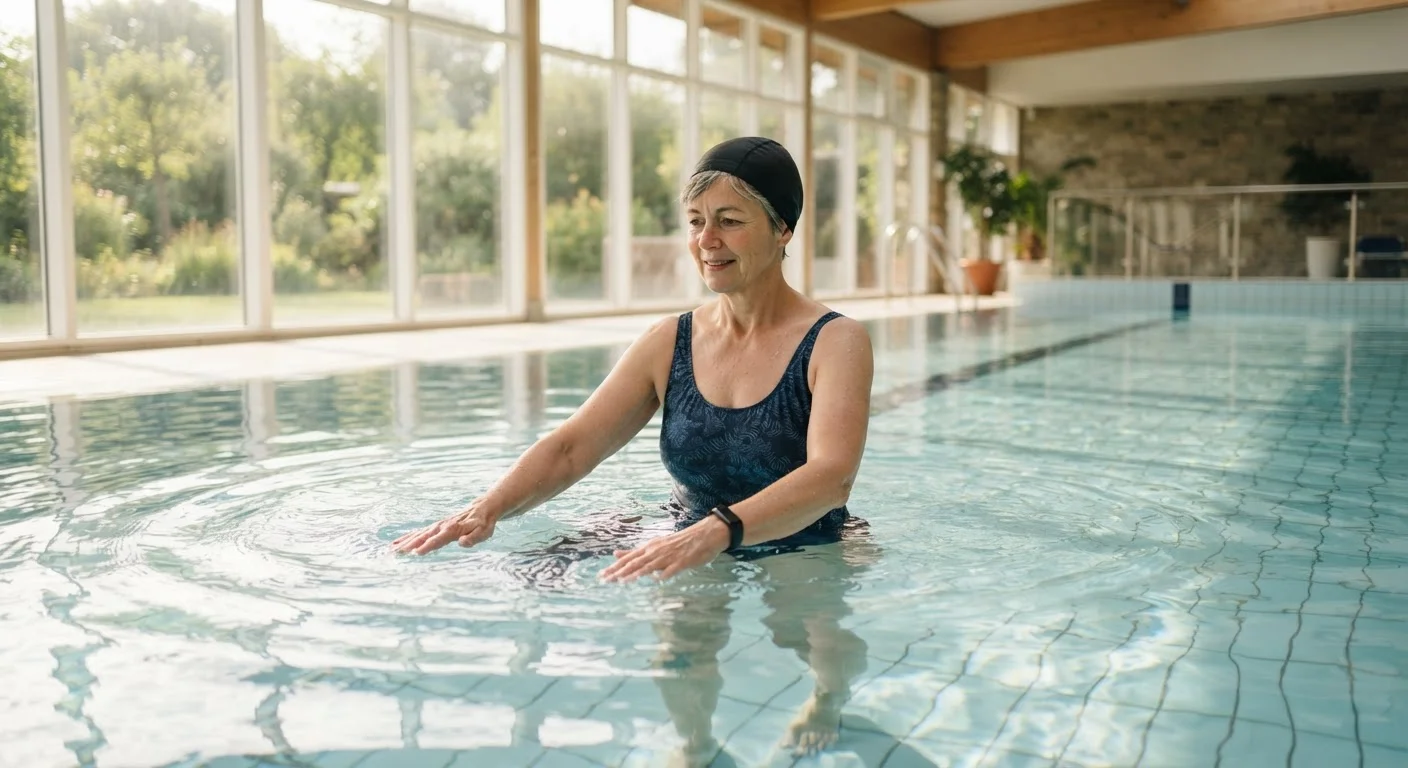
Photo credit: TurboBlogs.net | Explore Blogs At Turbo Speed
In this article
Low-impact doesn't mean low-results. Explore a range of exercises that protect your joints while still improving cardiovascular fitness and strength.
Key Takeaways
- Low-impact exercises reduce joint stress while still building cardiovascular fitness and muscular strength.
- Activities like swimming, cycling, and yoga can be adapted for nearly any fitness level or age.
- Consistency with low-impact movement produces measurable long-term health benefits.
- Many low-impact options are accessible at home without specialized equipment.
- People managing joint pain or returning from injury often respond well to low-impact training.
Why low-impact exercise deserves a serious look
High-impact exercise - running, jumping, plyometrics - places significant repetitive force on joints with every foot strike. For people managing joint pain, recovering from injury, starting out after a long break, or simply looking for sustainable long-term habits, that load can be a genuine barrier to consistency. Low-impact exercise reduces that barrier without sacrificing the cardiovascular, strength, and metabolic benefits that make physical activity essential to health.
The distinction matters because a persistent fitness myth equates discomfort and physical punishment with effectiveness. Evidence doesn't support that framing. Steady, manageable training performed consistently over weeks and months produces far better outcomes than intense bouts followed by injury-driven layoffs.
Low-impact does not mean low-intensity
Impact refers to the force transmitted to joints at the moment of contact with the ground - not the effort level or cardiovascular demand of the exercise. Aquatic cycling or a vigorous elliptical session can reach high heart-rate zones while keeping joint stress minimal. The two variables are independent, which is why low-impact exercise can be genuinely challenging and produce meaningful fitness gains.
Six effective low-impact options to consider
Swimming and water aerobics
Water provides natural resistance in every direction while supporting nearly your entire body weight, making aquatic exercise exceptionally gentle on joints. Swimming laps engages large muscle groups across the upper body, core, and legs simultaneously, producing meaningful cardiovascular and muscular training effects.
Water aerobics - structured movement classes conducted in the shallow end - delivers similar benefits at a slower pace, making it particularly accessible for older adults or anyone managing arthritis. Research published in peer-reviewed rheumatology literature consistently supports aquatic exercise as effective for improving functional fitness in people with joint conditions.
Water supports body weight while resisting every movement - a uniquely joint-friendly training environment.
Cycling (stationary or outdoor)
Cycling keeps the foot in a fixed circular path, dramatically reducing the ground-reaction forces that make running hard on knees and hips. Both stationary bikes and outdoor cycling build lower-body strength and aerobic capacity with a fraction of the impact load.
Stationary cycling is especially practical for home workouts and allows precise control over resistance and duration. Cadence, resistance, and session length can all be adjusted as fitness improves, making cycling a genuinely scalable option. For those interested in understanding how cycling fits into broader cardiovascular training, our guide to cardio versus strength training explains the physiological differences.
Cycling delivers serious aerobic and lower-body training benefits with far less joint loading than running.
Walking at a purposeful pace
Walking is often dismissed as "not real exercise," but this underestimates its genuine cardiovascular utility - particularly when pace, terrain, or incline is deliberately increased. Brisk walking elevates heart rate into aerobic training zones and contributes to improved blood pressure, blood sugar regulation, and mood over time.
Walking requires no equipment and can be built into daily routines without carving out dedicated gym time. Hills and stairs amplify the training stimulus without adding impact. For a balanced, evidence-based look at what walking actually accomplishes - and where its limits are - see Walking as Exercise: How Much It Does (and Doesn't) Do.
Brisk walking, especially on inclines, produces real cardiovascular benefits that are easy to underestimate.
Yoga and mindful movement
Yoga builds flexibility, balance, and functional strength through controlled bodyweight movements that rarely place high shear force on joints. Different styles vary considerably in intensity: restorative and Hatha yoga are gentle enough for beginners or those in recovery, while Vinyasa and Power yoga can challenge even experienced exercisers.
Beyond the physical benefits, yoga's emphasis on breath awareness and body attention supports stress reduction - a meaningful health outcome in its own right. Balance and core stability developed through yoga practice translate directly to fall prevention, which is especially relevant for adults over 50. Our article on fitness for adults over 50 discusses why balance work becomes increasingly important with age.
Yoga builds strength, balance, and flexibility simultaneously - with a stress-reduction benefit most gym exercises don't offer.
Elliptical training
The elliptical machine mimics a running stride while keeping both feet in continuous contact with moving foot pads, virtually eliminating the impact that stresses knees, hips, and the lower back. Studies comparing joint loads across common cardio modalities consistently rank elliptical training among the lowest-impact options while still generating substantial heart rate elevation.
Most elliptical machines include moveable arm handles that engage the upper body, converting what might otherwise be purely a lower-body activity into a full-body session. Resistance and incline adjustments allow for progressive overload - the gradual increase in training stimulus that drives fitness adaptation over time.
The elliptical replicates a running motion with near-zero impact, making it one of the most joint-protective cardio tools available.
Resistance band training
Resistance bands provide muscle-building stimulus through elastic tension rather than loaded bars or heavy plates, allowing for smooth, controllable movement through a full range of motion. This makes them particularly forgiving on joints while still producing the progressive overload needed to build and maintain muscle.
Bands are inexpensive, portable, and require no special setup - a significant advantage for home-based exercise. They can be anchored to a door, looped around furniture, or held underfoot to target virtually any major muscle group. If you're evaluating how band training fits alongside free weights or machines, Free Weights vs. Resistance Machines offers useful context on the trade-offs between each approach.
Resistance bands build genuine muscle strength through elastic tension - with none of the joint loading of heavy free weights.
Start conservatively, progress deliberately
Even low-impact exercise can cause overuse issues if volume increases too quickly. A practical guideline from exercise science is to increase total weekly duration by no more than 10% per week. If you're returning to activity after time off, our realistic guide to starting exercise after a long break can help you structure a sensible first month.
Building a sustainable routine around low-impact movement
The best exercise routine is one you'll actually maintain. Low-impact options remove some of the most common reasons people quit - joint soreness, injury risk, and the perception that exercise must be painful to count. Mixing two or three of the activities above across a week introduces variety that challenges different muscle groups and energy systems while distributing physical stress more evenly across the body.
Pairing movement with attention to nutrition supports overall health outcomes. The Nutrition & Diet hub offers practical guidance on eating patterns that complement an active lifestyle. As always, if you have a pre-existing health condition, joint problem, or are new to structured exercise, consult a qualified healthcare professional before starting a new routine - they can help match activity type and intensity to your individual circumstances.
This article is for general informational and educational purposes only and does not constitute medical advice. Always consult a qualified healthcare provider before beginning any new exercise program, particularly if you have existing health conditions or physical limitations.

Author
Health & Wellness Editorial Team
Health & Wellness Editorial Team is the collective byline for our editorial team and contributor network. Articles published under this byline or an editorial pen name are researched, written, and reviewed according to our editorial standards for clarity, consistency, and independence before publication.
View all articles →