
Mindfulness vs. Meditation: Two Practices, One Overlapping Goal
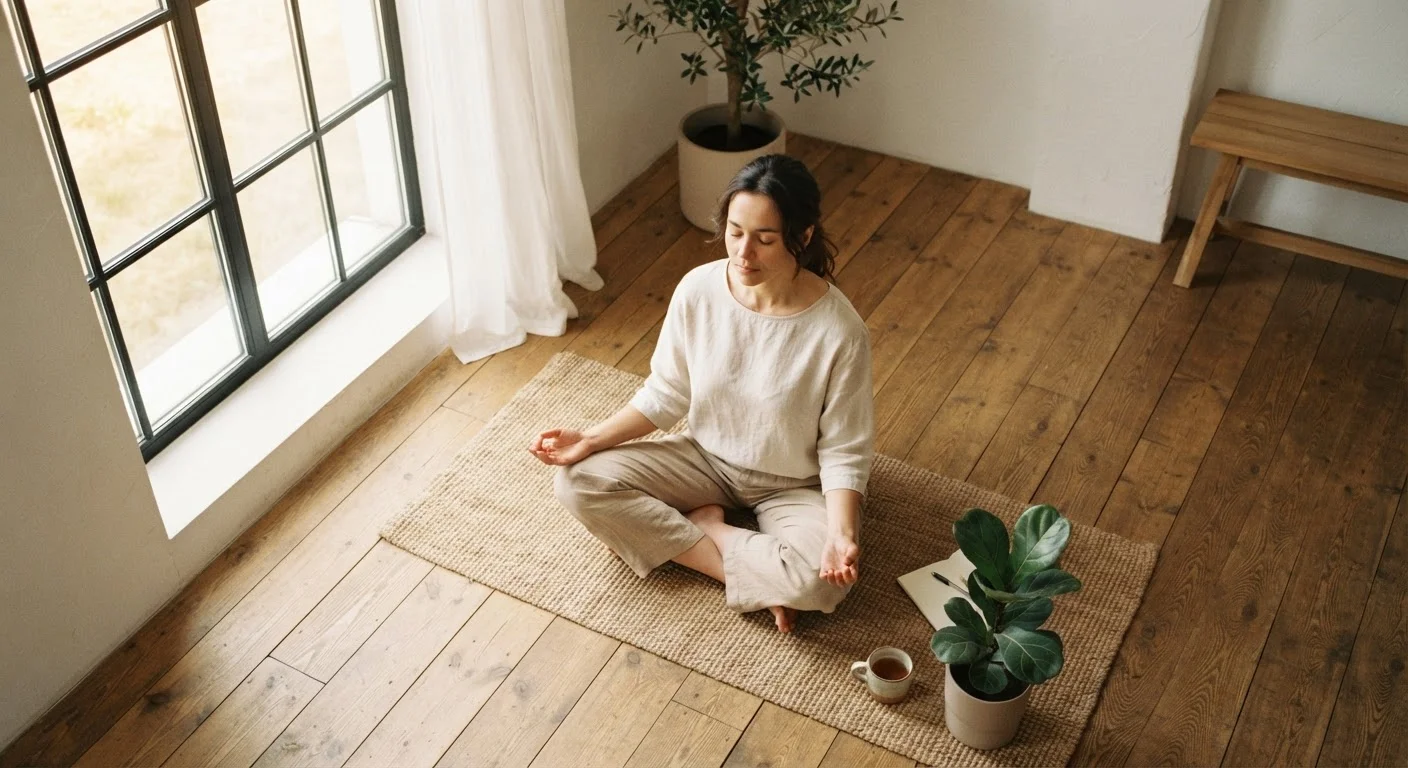
Photo credit: TurboBlogs.net | Explore Blogs At Turbo Speed
In this article
Mindfulness and meditation are often used interchangeably — but they're not identical. Here's how they differ and how they work together.
Key Takeaways
- Mindfulness is a quality of awareness; meditation is a formal practice used to cultivate it.
- You can practice mindfulness anytime - while eating, walking, or working - without sitting still.
- Meditation typically involves setting aside dedicated time with a specific technique or focus.
- Research supports both practices for reducing stress, improving focus, and supporting emotional regulation.
- The two approaches complement each other and are not mutually exclusive.
Two Terms That Aren't Synonyms
The words mindfulness and meditation are often used as though they mean the same thing. They don't - though they are closely related. Understanding the distinction helps you use each one more intentionally.
Mindfulness refers to a quality of attention: the deliberate, non-judgmental awareness of what is happening in the present moment - your thoughts, sensations, emotions, and surroundings. It is not a scheduled activity; it is an orientation you can bring to any moment. Washing dishes, having a conversation, or waiting in traffic can all become mindful experiences.
Meditation, by contrast, is a set of formal practices - techniques performed with intention, usually for a defined period. Common forms include focused-attention meditation (concentrating on the breath), open-monitoring meditation (observing thoughts without attachment), and loving-kindness meditation. Mindfulness meditation is one specific type, but meditation itself is a broader category that includes practices not centered on mindfulness at all, such as visualization or mantra-based techniques.
A useful frame: mindfulness is the destination; many forms of meditation are vehicles for getting there more reliably. As researchers at institutions like Harvard Medical School and the University of Massachusetts Center for Mindfulness have described, meditation trains the mind the way physical exercise trains the body - and mindfulness is one outcome that training can strengthen.
Mindfulness Meditation: The Overlap Zone
When people say they 'do mindfulness,' they often mean mindfulness meditation - a formal practice that uses present-moment awareness as its anchor. This is where the two concepts most clearly intersect. Mindfulness meditation is not the only form of meditation, and mindfulness itself is not limited to meditation sessions. Keeping these distinctions clear helps you choose the right tool for the right moment.
How Research Characterizes Each Practice
The evidence base for both practices has grown substantially over the past three decades. Mindfulness-Based Stress Reduction (MBSR), developed by Jon Kabat-Zinn in the late 1970s, was among the first clinically structured programs to integrate both formal meditation sessions and informal mindfulness practices. Subsequent research has examined them somewhat independently.
47%
How often the average mind wanders
A Harvard experience-sampling study found minds wander nearly half of waking hours, with wandering correlated to lower reported happiness.
8 weeks
Typical MBSR program length
The Mindfulness-Based Stress Reduction program, one of the most studied mindfulness interventions, runs over approximately eight weeks of structured practice.
~30 years
Span of modern mindfulness research
Systematic scientific study of mindfulness-based interventions began in earnest in the 1980s and has expanded significantly into clinical and general wellness research.
Formal meditation has been linked in peer-reviewed studies to reductions in perceived stress, improvements in sustained attention, and changes in brain regions associated with emotion regulation - notably the prefrontal cortex and amygdala. Effects tend to be most pronounced with consistent, regular practice over weeks or months.
Informal mindfulness - simply paying deliberate attention during everyday activities - has shown benefits for reducing rumination and improving mood, even without formal sessions. A widely cited Harvard study using experience-sampling found that people's minds wander roughly 47% of the time, and that mind-wandering correlates with lower reported happiness. Mindful attention, even in brief doses, may interrupt that pattern.
It is worth noting that research quality varies across studies. Many trials are small or rely on self-reported outcomes. The scientific consensus supports both practices as useful tools for general mental wellness, but neither is a clinical treatment. For support with diagnosed mental health conditions, speaking with a qualified healthcare professional is always the appropriate first step. You may also find it useful to explore how therapy and self-help tools compare for a broader perspective on when each approach fits.
Side-by-Side: Key Differences at a Glance
The table below summarizes the most practical distinctions between mindfulness as an informal practice and meditation as a formal one.
| Criterion | Mindfulness | Meditation |
|---|---|---|
| What it is | A quality of present-moment awareness | A formal, structured mental practice |
| When it happens | Anytime, during any activity | During a set session with clear start and end |
| Time required | No dedicated time needed | Typically 5-40 minutes per session |
| Learning curve | Low - can begin immediately | Moderate - technique guidance is helpful |
| Primary mechanism | Redirecting attention in real time | Training attention through repetition |
| Evidence base | Strong for stress and mood support | Strong for attention, emotion regulation |
Neither approach is inherently superior. Many practitioners find that regular meditation deepens their capacity for informal mindfulness throughout the day - the two reinforce each other. If the concept of meta-awareness (awareness of your own mental state) is unfamiliar, our mental wellness glossary offers plain-language definitions of terms like this one commonly used in this space.
Getting Started: Practical Entry Points
If you are new to either practice, the entry points are simpler than most people expect.
Starting with mindfulness
Choose one recurring daily activity - morning coffee, a commute, or a meal - and commit to giving it your full attention for its duration. Notice sensory details. When your mind wanders (it will), gently redirect attention without judgment. No apps, cushions, or scheduled time required.
Starting with meditation
Begin with short, structured sessions - five to ten minutes is a reasonable starting point. Sit comfortably, choose a single focus (often the breath), and observe when attention drifts, then return it. Guided audio programs and apps can provide structure, though they are not prerequisites. Consistency matters more than duration; a brief daily session tends to yield more benefit than occasional longer ones.
For those working through stress, worry, or emotional turbulence, both practices can serve as supportive tools - but they are not substitutes for professional care. If you are navigating persistent anxiety, it may help to first understand how everyday worry differs from anxiety before deciding which wellness tools to add. Complementary practices like journaling for emotional clarity can also work alongside mindfulness and meditation to support self-awareness.
This article is for general informational and educational purposes only and does not constitute medical or mental health advice. If you have concerns about your mental health, please consult a qualified healthcare professional.

Author
Health & Wellness Editorial Team
Health & Wellness Editorial Team is the collective byline for our editorial team and contributor network. Articles published under this byline or an editorial pen name are researched, written, and reviewed according to our editorial standards for clarity, consistency, and independence before publication.
View all articles →