
Sleep Hygiene: The Habits That Shape How Well You Rest
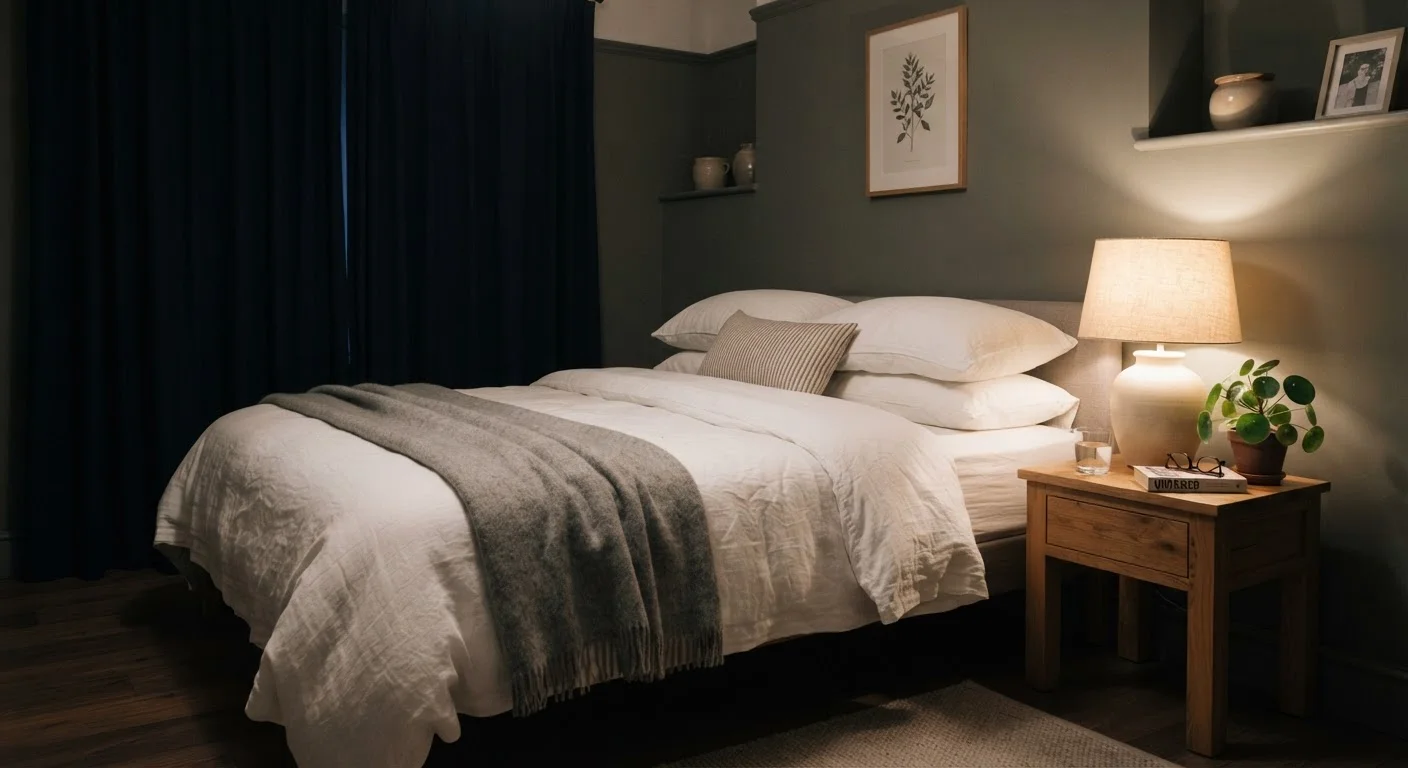
Photo credit: TurboBlogs.net | Explore Blogs At Turbo Speed
In this article
Sleep hygiene covers the routines and environment choices that influence sleep quality. Here's what the research says actually helps.
Key Takeaways
- Sleep hygiene refers to the daily habits and environment choices that influence sleep quality.
- Consistent sleep and wake times are among the most evidence-supported sleep habits.
- Light, temperature, and noise in your bedroom have measurable effects on sleep onset and depth.
- Caffeine and alcohol both interfere with sleep in ways many people underestimate.
- Persistent sleep difficulties may signal an underlying condition that warrants professional evaluation.
What Sleep Hygiene Actually Means
Sleep hygiene is a term borrowed from clinical sleep medicine. It refers to the collection of behavioral patterns and environmental conditions that influence whether your sleep is consistent, restorative, and sufficient. Think of it less as a rigid checklist and more as a framework for removing the obstacles that stand between you and quality rest.
The concept emerged from behavioral sleep research and is now a foundational component of evidence-based approaches to treating insomnia. Unlike medication, sleep hygiene targets the upstream causes of poor sleep - the things you do, when you do them, and the context in which you sleep.
Circadian rhythm
Your body's internal 24-hour clock that regulates sleep, wakefulness, and many other biological processes. It's primarily set by light and darkness.
Melatonin
A hormone produced by the brain in response to darkness that signals to your body it's time to sleep. Light exposure - especially blue light - can suppress its release.
Sleep architecture
The structure of a full night's sleep, including the cycling between light sleep, deep sleep, and REM (dreaming) sleep. Each stage serves different restorative functions.
Stimulus control
A behavioral therapy technique that strengthens the mental link between the bed and sleepiness by limiting non-sleep activities in the bedroom.
Adenosine
A chemical that builds up in the brain the longer you're awake, creating what's called sleep pressure - the drive to sleep. Caffeine works by blocking adenosine receptors.
REM sleep
Rapid Eye Movement sleep is the stage most associated with dreaming and plays a key role in memory consolidation, emotional regulation, and learning.
It's worth noting that sleep hygiene alone isn't a cure for all sleep disorders. For many people, though, consistent application of core principles produces meaningful improvement in how quickly they fall asleep, how often they wake, and how rested they feel. For a broader perspective on rest as a mental health tool, see understanding rest as a mental health tool.
The Environment Factors That Matter Most
Your sleep environment sends signals to your nervous system about whether it's safe and appropriate to rest. Three physical variables consistently appear in sleep research as having meaningful impact:
- Light: Darkness triggers melatonin production, the hormone that promotes sleepiness. Even low ambient light - from streetlights, standby indicators, or screens - can delay this process. Blackout curtains or a sleep mask address this directly.
- Temperature: Core body temperature naturally drops as part of sleep initiation. A cooler room (generally around 65-68°F for most adults, though individual preference varies) supports this process. A room that's too warm tends to increase nighttime wakings.
- Noise: Intermittent or unpredictable sounds - a partner's snoring, traffic, notifications - fragment sleep even when they don't fully wake you. Continuous background sound, such as a fan or white noise, can mask disruptive peaks.
Consistency matters here too. Using your bed primarily for sleep helps strengthen the mental association between the bedroom and rest - a principle called stimulus control in behavioral sleep therapy.
Treat Your Bedroom as a Sleep-Only Space
Reserve your bed for sleep and avoid working, scrolling, or watching TV in bed. Over time, this strengthens the psychological association between lying down and feeling sleepy. Even small changes - like charging your phone outside the bedroom - can reinforce this boundary effectively.
Behavioral Habits That Support Better Sleep
Environmental changes are easier to implement than behavioral ones, but behavior has an outsized influence on sleep quality. The most evidence-supported habits include:
- Keeping a consistent sleep schedule
- Going to bed and waking at the same time every day - including weekends - anchors your circadian rhythm. Irregular schedules are strongly associated with difficulty falling asleep and daytime fatigue.
- Limiting caffeine in the afternoon and evening
- Caffeine blocks adenosine receptors, the signaling pathway that builds sleep pressure throughout the day. Its half-life is roughly 5-6 hours in most adults, meaning afternoon coffee can still be active at bedtime.
- Getting natural light exposure in the morning
- Morning light is a primary cue for your circadian clock. Consistent morning light exposure helps set the timing of your sleep-wake cycle and supports earlier, easier sleep onset at night.
- Establishing a pre-sleep wind-down
- A predictable, low-stimulation routine in the 30-60 minutes before bed signals your nervous system to transition toward sleep. For a detailed look at how to build this, see building a wind-down routine.
Diet also plays a role - eating patterns and nutrient intake can affect sleep quality. The Nutrition & Diet section covers related principles in more depth.
What Doesn't Help (Despite Common Belief)
Several common sleep strategies are either ineffective or actively counterproductive:
Alcohol Is Not a Sleep Aid
Many people use alcohol to wind down, and while it can reduce sleep-onset time, it significantly fragments sleep later in the night and suppresses REM sleep. Regular use as a sleep aid can also lead to dependency and tolerance, making the underlying sleep difficulty worse over time. If you're relying on alcohol to fall asleep, this is worth discussing with a healthcare provider.
- Alcohol as a sleep aid: Alcohol reduces the time it takes to fall asleep but significantly disrupts sleep architecture - especially REM sleep, which supports memory and emotional processing. Sleep after drinking tends to be lighter and less restorative.
- Sleeping in on weekends: Recovering lost sleep on weekends - sometimes called social jetlag - provides limited benefit and makes it harder to maintain a consistent schedule. It can shift your circadian rhythm similarly to traveling across time zones.
- Lying in bed awake for extended periods: If you haven't fallen asleep after roughly 20 minutes, staying in bed can strengthen an association between the bed and wakefulness. Behavioral sleep therapists typically recommend getting up and doing something calm until sleepy.
- Clock-watching: Repeatedly checking the time when you can't sleep increases arousal and anxiety, making sleep harder to achieve. Turning clocks away or removing them from view is a simple intervention.
The habits that separate effective sleep routines from ineffective ones often mirror the kind of consistent behavioral patterns that support other health goals - much like the routines discussed in habits that separate consistent savers from occasional ones.
When to Talk to a Healthcare Professional
Sleep hygiene practices address common, everyday sleep difficulties. They are not a substitute for professional evaluation when symptoms are persistent or severe. Consider speaking with a healthcare provider if:
- Sleep difficulties last more than a few weeks despite consistent habit changes
- You regularly feel unrefreshed after a full night of sleep
- A bed partner reports loud snoring, pauses in breathing, or gasping during sleep
- Daytime sleepiness is affecting work, relationships, or safety (including driving)
- You rely on sleep aids - prescription, over-the-counter, or alcohol - regularly
Conditions such as insomnia disorder, obstructive sleep apnea, and restless legs syndrome are treatable, but require proper diagnosis. Cognitive behavioral therapy for insomnia (CBT-I), for example, is a structured, evidence-based treatment that goes beyond basic sleep hygiene and has a strong track record in clinical research.
Sleep is also deeply connected to mental health - patterns of poor sleep are both a symptom and a driver of anxiety and depression. If sleep difficulties coincide with low mood or persistent worry, that broader context is worth discussing with a professional. Social support and lifestyle factors also intersect here; research on social connection and mental health points to how interconnected these wellbeing factors are.
This article provides general health information for educational purposes only and is not a substitute for personalized medical advice. Always consult a qualified healthcare professional regarding any sleep concerns or symptoms.
Frequently Asked Questions

Author
Health & Wellness Editorial Team
Health & Wellness Editorial Team is the collective byline for our editorial team and contributor network. Articles published under this byline or an editorial pen name are researched, written, and reviewed according to our editorial standards for clarity, consistency, and independence before publication.
View all articles →