
Buying a New Build vs. an Existing Home
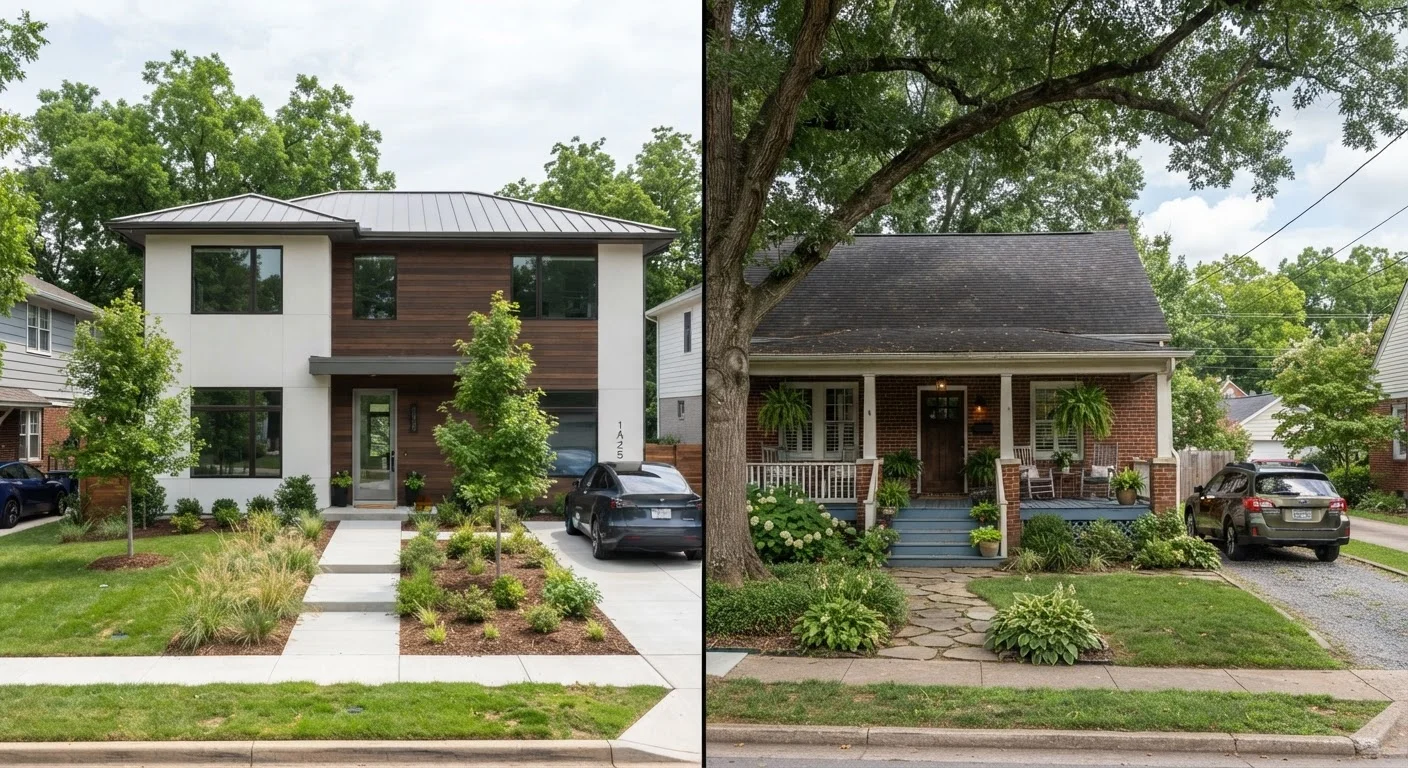
Photo credit: TurboBlogs.net | Explore Blogs At Turbo Speed
In this article
New construction and resale homes come with very different timelines, risks, and negotiating dynamics. Here's how to compare them clearly.
Key Takeaways
- New builds offer modern layouts and warranties but typically cost more and take longer to close.
- Existing homes often allow faster transactions and more negotiating leverage, but may need immediate repairs.
- Builder incentives on new construction are negotiable, but standard contingencies may be harder to include.
- Location inventory often dictates which option is even available in your target market.
- Both paths benefit from independent legal and inspection review before signing any contract.
Modern systems built to current energy and safety codes
New construction must comply with the most recent local building codes, meaning better insulation, updated electrical panels, and more efficient HVAC systems compared to many older homes.
Builder warranties reduce early maintenance risk
Structural and systems warranties - often 2 to 10 years - provide a meaningful financial buffer during the period when ownership costs are otherwise highest for new buyers.
Customization options during the build phase
Buyers can often choose cabinetry, flooring, countertops, and layout options, creating a home tailored to their preferences rather than a previous owner's taste.
No inherited deferred maintenance
Everything from the roof to the water heater starts at day one, reducing the likelihood of surprise repair costs in the first several years of ownership.
Established neighborhoods with mature amenities
Existing homes in built-out communities often offer proximity to schools, parks, transit, and local businesses that newer developments haven't yet attracted.
Greater negotiating flexibility with private sellers
Resale sellers are typically more open to contingencies, price adjustments, and repair credits than production homebuilders operating on thin margins and standardized contracts.
Longer and less certain closing timelines
New construction can take months beyond a projected completion date due to permitting delays, labor shortages, or material supply issues - a real problem if your current housing situation has a fixed end date.
Builder contracts heavily favor the developer
Standard builder purchase agreements often limit your ability to back out, include price escalation clauses, and restrict the contingencies you can attach - conditions uncommon in resale transactions.
New builds typically carry a higher price per square foot
In comparable locations, newly constructed homes generally cost more than resale equivalents, and popular upgrades through the builder can cost significantly more than equivalent post-closing renovations.
Existing homes may require immediate repairs or updates
A thorough inspection may reveal aging roofs, outdated electrical panels, or plumbing issues that need attention soon after purchase, adding unexpected costs to the transaction.
New communities lack established neighborhood character
Amenities like mature trees, nearby restaurants, and community cohesion take years to develop in new subdivisions, which can feel isolated during the early phases of buildout.
Resale inventory in desirable areas can be very limited
In competitive markets, finding an existing home that meets your criteria - location, size, price - can require months of searching and repeated failed offers.
What You're Actually Comparing
When homebuyers weigh new construction against resale, they're not just comparing age - they're comparing entirely different purchasing experiences. A new build typically means buying from a developer, sometimes before the home is finished, and working within a builder's standardized contract. An existing home means negotiating with a private seller through a more traditional offer-and-counteroffer process.
Each path has a different risk profile, timeline, and set of costs. Understanding these differences is foundational to making the right choice for your situation. For a broader look at where this decision fits in the homebuying journey, see The Homebuying Process, Start to Finish.
Modern systems built to current energy and safety codes
New construction must comply with the most recent local building codes, meaning better insulation, updated electrical panels, and more efficient HVAC systems compared to many older homes.
Builder warranties reduce early maintenance risk
Structural and systems warranties - often 2 to 10 years - provide a meaningful financial buffer during the period when ownership costs are otherwise highest for new buyers.
Customization options during the build phase
Buyers can often choose cabinetry, flooring, countertops, and layout options, creating a home tailored to their preferences rather than a previous owner's taste.
No inherited deferred maintenance
Everything from the roof to the water heater starts at day one, reducing the likelihood of surprise repair costs in the first several years of ownership.
Established neighborhoods with mature amenities
Existing homes in built-out communities often offer proximity to schools, parks, transit, and local businesses that newer developments haven't yet attracted.
Greater negotiating flexibility with private sellers
Resale sellers are typically more open to contingencies, price adjustments, and repair credits than production homebuilders operating on thin margins and standardized contracts.
The Case for New Construction
New builds deliver modern floor plans, current energy codes, and brand-new mechanical systems - meaning HVAC, electrical, and plumbing are designed to today's standards. Builder warranties (commonly one year for workmanship, two years for systems, and ten years for structural defects) reduce early ownership anxiety. You won't be inheriting someone else's deferred maintenance.
Customization is another draw. Many builders allow buyers to select finishes, layouts, and upgrades during a design phase - though popular options can add significantly to the base price. Some builders also offer incentives like closing cost assistance or rate buydowns, particularly when a development isn't selling at target pace. These incentives are often negotiable, even if the base price is not.
~$400K+
Median new construction sale price in the U.S.
According to U.S. Census Bureau data, new single-family home prices have consistently exceeded existing home prices, reflecting both construction costs and builder margin.
30-60 days
Typical closing timeline for resale homes
Most resale transactions close within 30 to 60 days of an accepted offer, compared to new builds where timelines can extend six months or more depending on build stage.
One underappreciated advantage: new construction in planned communities may include amenities - trails, pools, or community centers - already baked into the HOA structure before you move in.
The Case for an Existing Home
Resale homes dominate market inventory in most U.S. metro areas, which means more choices in established neighborhoods with mature landscaping, proximity to schools, and walkable amenities. You can see and evaluate exactly what you're buying before making an offer - there's no uncertainty about finishes or completion timelines.
Negotiating dynamics are typically more flexible on resale. Sellers may accept contingencies for inspections, financing, and appraisal more readily than builders do. In a slower market, there's often room to negotiate price, seller concessions, or repair credits - leverage that's rarely available with a large production homebuilder.
Longer and less certain closing timelines
New construction can take months beyond a projected completion date due to permitting delays, labor shortages, or material supply issues - a real problem if your current housing situation has a fixed end date.
Builder contracts heavily favor the developer
Standard builder purchase agreements often limit your ability to back out, include price escalation clauses, and restrict the contingencies you can attach - conditions uncommon in resale transactions.
New builds typically carry a higher price per square foot
In comparable locations, newly constructed homes generally cost more than resale equivalents, and popular upgrades through the builder can cost significantly more than equivalent post-closing renovations.
Existing homes may require immediate repairs or updates
A thorough inspection may reveal aging roofs, outdated electrical panels, or plumbing issues that need attention soon after purchase, adding unexpected costs to the transaction.
New communities lack established neighborhood character
Amenities like mature trees, nearby restaurants, and community cohesion take years to develop in new subdivisions, which can feel isolated during the early phases of buildout.
Resale inventory in desirable areas can be very limited
In competitive markets, finding an existing home that meets your criteria - location, size, price - can require months of searching and repeated failed offers.
Closing timelines are usually faster with resale: 30-60 days is common once an offer is accepted, compared to several months or longer for new construction depending on the build stage. If you're facing a lease expiration or other deadline, this matters. For a full look at the rent-versus-buy decision before committing to either path, explore the trade-offs here.
Costs, Contracts, and What to Watch For
New construction contracts are typically drafted by the builder's legal team and favor the builder. Key items to scrutinize: escalation clauses (which can raise your price if materials costs increase), completion date language, and what happens if the builder delays closing. An independent real estate attorney reviewing the contract before you sign is strongly advisable.
Resale purchases use standardized regional contracts that are more familiar to buyers' agents and attorneys, though they still require careful review - particularly the inspection contingency and earnest money terms. A pre-listing inspection by the seller doesn't replace your own independent inspection.
Get Independent Legal Review on Builder Contracts
Builder purchase agreements are legal documents drafted by the developer's attorneys. Before signing, have an independent real estate attorney - not the builder's preferred closing attorney - review the contract on your behalf. Pay particular attention to escalation clauses, delay remedies, and deposit refund terms. This step is especially important because builder contracts differ substantially from the standardized state forms used in most resale transactions.
On the cost side, new builds often carry a price premium per square foot in comparable locations. However, lower early maintenance costs, energy efficiency savings, and included warranties can offset some of that premium over time. Be cautious with builder upgrade packages, which are often priced well above what the same work would cost after closing.
Whatever path you choose, having the right questions ready at every stage protects you. See questions to ask throughout the homebuying process for a stage-by-stage guide.

Author
Home & Real Estate Editorial Team
Home & Real Estate Editorial Team is the collective byline for our editorial team and contributor network. Articles published under this byline or an editorial pen name are researched, written, and reviewed according to our editorial standards for clarity, consistency, and independence before publication.
View all articles →