
Escrow, Title, and Deed: The Legal Mechanics of Buying a Home
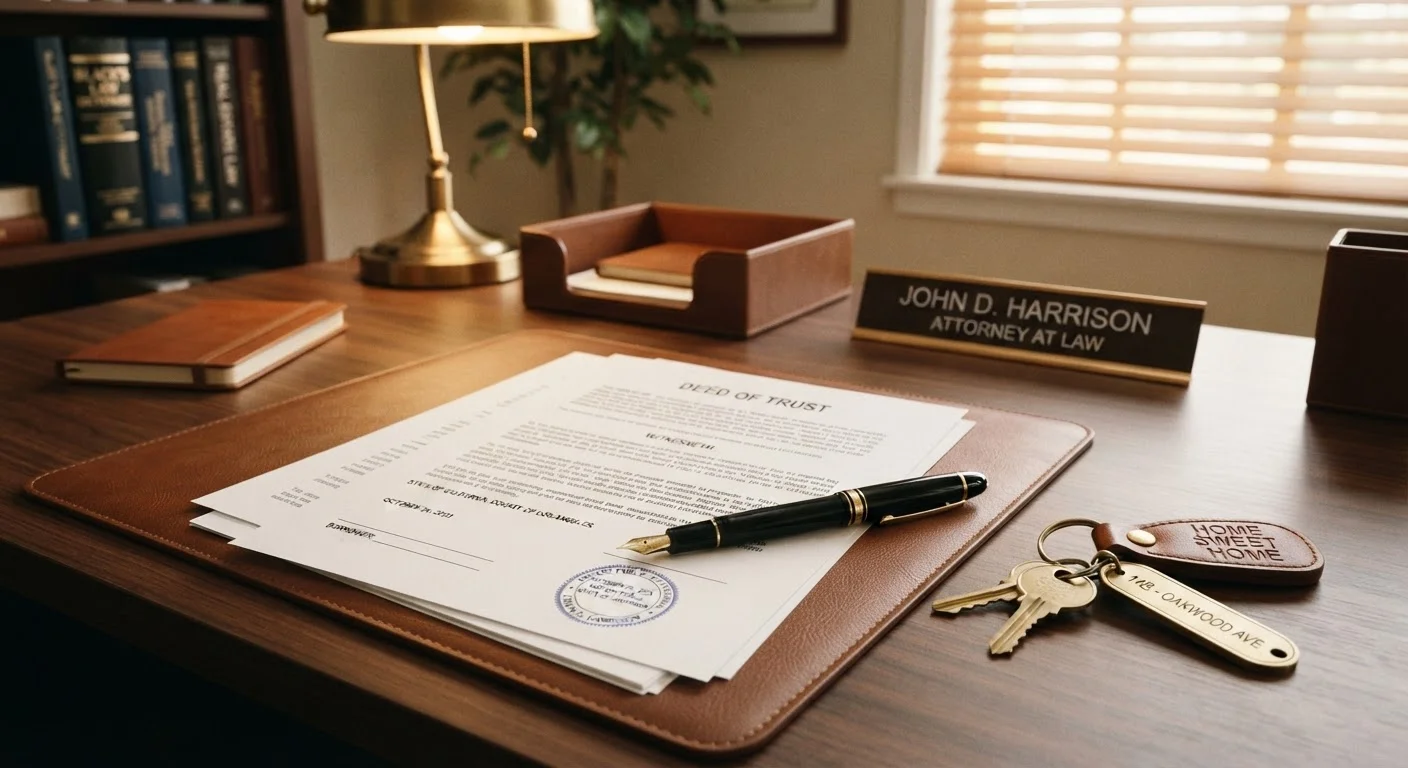
Photo credit: TurboBlogs.net | Explore Blogs At Turbo Speed
In this article
Three terms that appear constantly in homebuying—clearly defined. Understand what escrow holds, why title is searched, and what a deed transfers.
Why These Three Terms Matter
When a home purchase is underway, buyers quickly encounter a cluster of legal terms that sound official but are rarely explained clearly: escrow, title, and deed. Each one refers to a distinct mechanism in the transfer of property ownership, and misunderstanding any of them can leave buyers unprepared for what happens - and why - during closing.
This reference breaks each term down to its core meaning, what it does in a transaction, and what buyers should watch for. If you're still weighing whether buying is right for you at all, the renting vs. buying framework is a useful starting point before diving into these mechanics.
| What escrow holds | Earnest money, down payment, closing documents |
| Who manages escrow | Neutral third party: escrow company, title company, or attorney |
| Title insurance premium | One-time fee paid at closing |
| Most protective deed type | General Warranty Deed |
| When the deed is recorded | At or shortly after closing, with the county or local government |
| Common title issues found | Unpaid liens, recording errors, undisclosed heirs, boundary disputes |
Escrow: A Neutral Holding Account
Escrow is an arrangement in which a neutral third party - typically an escrow company, title company, or attorney - holds funds and documents on behalf of both the buyer and seller until all conditions of the sale are met. Think of it as a financial holding room: money goes in, conditions are verified, and only then does the transaction close.
During the homebuying process, escrow serves two distinct phases:
- Purchase escrow: The earnest money deposit (a good-faith payment made when the purchase contract is signed) is held in escrow. Additional funds - including the down payment - are also wired into escrow before closing. The escrow officer coordinates with lenders, title companies, and both parties to ensure every document and dollar is in place.
- Ongoing mortgage escrow: After closing, many lenders require a separate escrow account to collect monthly contributions for property taxes and homeowners insurance. The lender manages this account and pays those bills on the buyer's behalf when they come due.
Escrow protects both parties. Sellers know funds are secured; buyers know their money isn't released until ownership legally transfers. For a full picture of what gets paid at closing - including escrow-related fees - see closing costs decoded.
Escrow
A neutral financial arrangement in which a third party holds funds and documents until all conditions of a real estate transaction are fulfilled. Both buyers and sellers are protected during the process.
Title
The legal concept representing ownership rights to a property. Holding title means you are recognized by law as the owner and have the right to use and transfer the property.
Deed
A signed legal document that formally transfers property ownership from seller to buyer. The deed is recorded with the local government to create a public record of the new owner.
Title Search
A review of public records tracing a property's chain of ownership. Its purpose is to verify the seller's right to sell and to identify any outstanding claims, liens, or defects on the title.
Title Insurance
A one-time insurance policy purchased at closing that protects against losses from title defects discovered after the transaction. Lender policies protect the mortgage lender; owner policies protect the buyer.
General Warranty Deed
A deed type in which the seller guarantees clear title and will defend the buyer against any ownership claims, even those predating the seller's ownership. It offers the strongest buyer protection.
Earnest Money
A good-faith deposit made by the buyer when signing a purchase contract, typically held in escrow. It signals serious intent and is usually applied toward the purchase price at closing.
Lien
A legal claim against a property, often for unpaid debts such as contractor bills or back taxes. Liens must generally be resolved before a clean title can be transferred to a new buyer.
Title: The Legal Record of Ownership
Title is not a physical document - it is a legal concept representing the right to own and use a property. When someone holds title to a home, they are recognized by law as its owner. But title can be clouded by past disputes, unpaid liens, clerical errors, or unresolved claims from previous owners.
This is why a title search is conducted before every real estate closing. A title company or attorney researches the property's chain of ownership - sometimes going back decades - to confirm the seller has the legal right to sell and that no one else has a valid claim on the property.
Common title problems that a search might uncover include:
- Unpaid contractor liens or tax liens attached to the property
- Errors in public records (misspelled names, incorrect legal descriptions)
- Undisclosed heirs from a previous owner's estate
- Boundary disputes or easement conflicts
Title insurance is purchased at closing to protect against any title defects that were missed during the search. Lender's title insurance (typically required by the mortgage lender) protects the lender; an owner's title insurance policy - usually optional but widely recommended - protects the buyer. Unlike most insurance, title insurance is a one-time premium paid at closing, covering the buyer for as long as they own the home.
Owner's Title Insurance Is Optional but Widely Recommended
Lenders almost always require their own title insurance policy, but the owner's policy that protects the buyer is typically optional. If a title defect surfaces years after closing - such as a previously unknown heir contesting ownership - an owner's policy can cover legal defense costs and potential losses. The one-time premium is usually modest relative to the home's value. Buyers should discuss this with their real estate attorney or closing agent before declining it.
Deed: The Document That Transfers Ownership
If title is the right to own property, a deed is the legal instrument that transfers that right from one party to another. At closing, the seller signs a deed, which is then delivered to the buyer and recorded with the county or local government. Once recorded, the deed becomes part of the public record, officially establishing the new owner.
Several types of deeds are commonly used in residential real estate transactions, each offering a different level of protection to the buyer:
- General Warranty Deed: The seller guarantees they hold clear title and will defend the buyer against any claims - even those arising before the seller owned the property. This is the most protective deed for buyers and the most common in standard home sales.
- Special Warranty Deed: The seller only guarantees against defects that arose during their own ownership - not before. Often used in commercial sales or estate transactions.
- Quitclaim Deed: The seller transfers whatever interest they have in the property with no warranties at all. Frequently used between family members or to clear up title issues, not in arm's-length purchases.
Buyers should confirm the deed type being used in their transaction and understand what protections it provides. Your real estate attorney or agent can explain which type is standard in your state. For a broader list of questions to ask at each stage of your purchase, see questions to ask throughout the homebuying process.
This article provides general educational information about real estate concepts and is not legal or financial advice. Consult a licensed real estate attorney or qualified professional for guidance specific to your transaction and jurisdiction.

Author
Home & Real Estate Editorial Team
Home & Real Estate Editorial Team is the collective byline for our editorial team and contributor network. Articles published under this byline or an editorial pen name are researched, written, and reviewed according to our editorial standards for clarity, consistency, and independence before publication.
View all articles →