
Renting a Home in America: The Complete Tenant's Guide
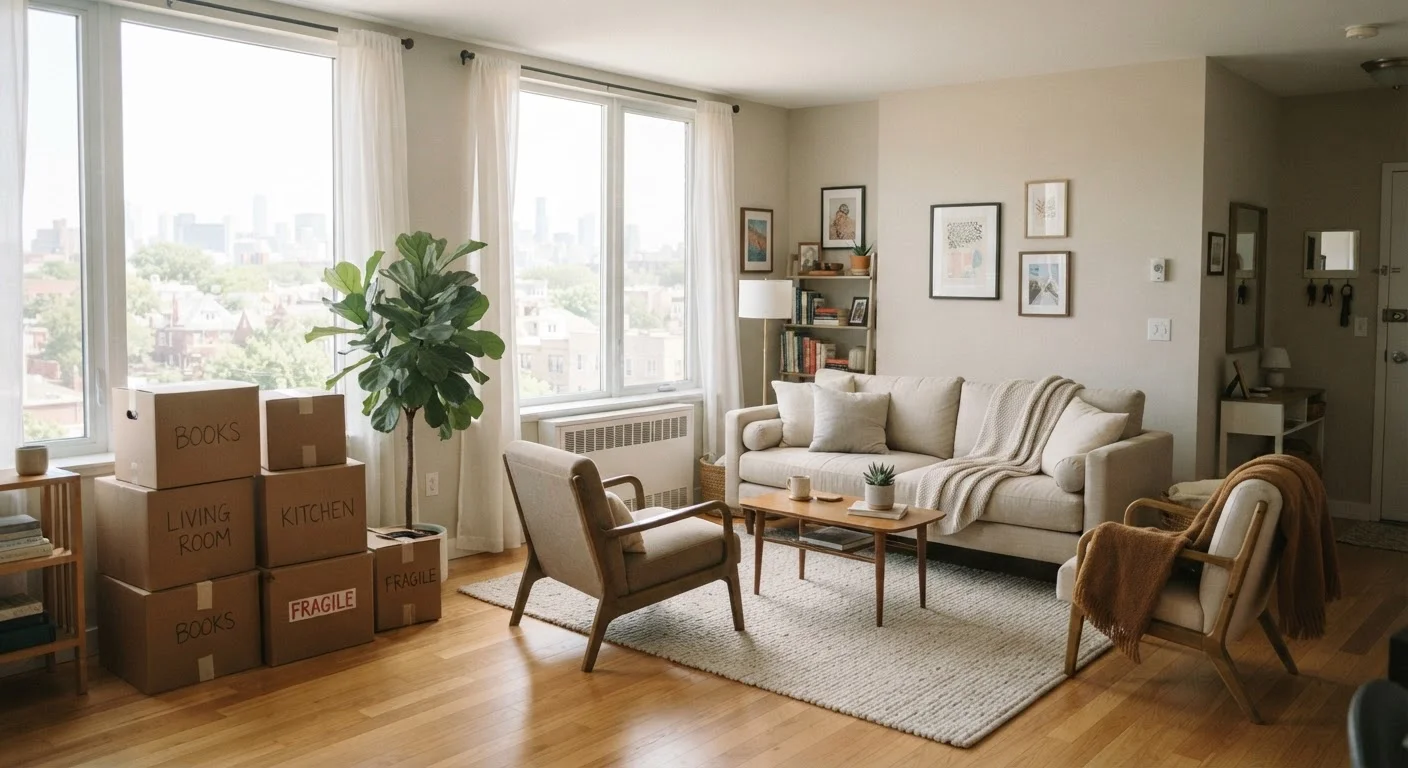
Photo credit: TurboBlogs.net | Explore Blogs At Turbo Speed
In this article
From searching for a rental to moving out cleanly, this end-to-end guide covers everything a renter needs to navigate confidently.
Key Takeaways
- Read your entire lease before signing - it is a legally binding contract with lasting consequences.
- Document the unit's condition at move-in with photos to protect your security deposit.
- Tenant rights vary significantly by state and city; know your local laws.
- A month-to-month lease offers flexibility but typically costs more than a fixed-term agreement.
- Always provide written notice when vacating and follow the lease's required timeline.
Is Renting Right for You?
Renting suits a wide range of circumstances - a first apartment after college, a transitional period between homes, or a long-term lifestyle choice that prioritizes flexibility over equity building. Before committing to a lease, it's worth weighing the financial and personal trade-offs honestly.
As a renter, you avoid property taxes, major structural repairs, and the down payment burden of homeownership. In exchange, you have less control over your living space and build no ownership equity through monthly payments. For a fuller look at how these paths compare, see our renting vs. buying framework or the detailed financial and lifestyle trade-offs of each choice.
Renting makes practical sense when your job or life situation may require relocation within a few years, when local home prices are significantly above what comparable renting costs, or when you prefer predictable monthly housing expenses without maintenance surprises.
44M+
Renter households in the U.S.
According to U.S. Census Bureau data, more than 44 million households in the United States rent their primary residence.
30%
Recommended rent-to-income ratio
Housing cost guidelines widely cited by financial planners suggest spending no more than 30% of gross income on housing.
14-30 days
Typical security deposit return window
Most states legally require landlords to return security deposits within 14 to 30 days after move-out, depending on local law.
How to Search for a Rental
Start your search with a clear budget. A widely used guideline suggests keeping total housing costs - rent, utilities, and renter's insurance - at or below 30% of gross monthly income, though local market conditions often make this difficult in high-cost cities. Know which trade-offs you'll accept before touring units.
Beyond online listing platforms, consider contacting local property management companies directly, checking community bulletin boards, and asking in neighborhood social groups. Many quality rentals - especially in competitive markets - are filled through word of mouth before they appear online.
Before submitting a rental application, assemble your documents in advance: recent pay stubs, two years of tax returns or employer verification, a reference list, and your credit report. Landlords in competitive markets move quickly, and a complete application package can be the deciding factor.
Application delays are a leading reason qualified renters lose units in tight rental markets; preparedness closes the gap.
Ask the landlord or property manager how they handle maintenance requests - specifically, what the typical response time is and whether they use in-house staff or third-party contractors. A vague or dismissive answer here is a red flag worth taking seriously.
Maintenance responsiveness is one of the strongest predictors of overall tenant satisfaction and is difficult to assess after signing.
When touring a unit, go beyond aesthetics. Test faucets and outlets, check water pressure, look for signs of water damage or mold around windows and under sinks, and ask how maintenance requests are handled. A responsive landlord is one of the most underrated factors in a positive rental experience.
Understanding Your Lease Agreement
Your lease is a legally binding contract - not a formality to skim. Before signing, confirm the following: the exact rent amount and due date, any late fee structure, the lease term (fixed or month-to-month), pet and guest policies, subletting rules, and who is responsible for which utilities.
Never Sign a Lease You Haven't Read in Full
Verbal promises from a landlord are rarely enforceable - what's written in the lease is what controls. If a landlord assures you something verbally ("we never enforce that clause"), ask them to amend the lease in writing before you sign. Signing without reading is one of the most common - and costly - mistakes renters make.
Pay special attention to the lease renewal and termination clauses. Fixed-term leases (typically 12 months) provide rent stability and cannot be ended early without financial penalty unless your state law provides specific exceptions - such as military deployment, domestic violence situations, or landlord breach. Month-to-month leases offer flexibility but often carry higher rent and shorter notice windows on both sides.
If any clause is unclear, ask for clarification in writing before signing. You may also consult a local tenant advocacy organization or attorney - many offer free or low-cost reviews.
Security Deposits: What to Know
Most landlords require a security deposit - typically one to two months' rent - held to cover unpaid rent or damages beyond normal wear and tear. Regulations governing maximum deposit amounts, interest requirements, and return timelines vary by state. Many states require landlords to return deposits within 14 to 30 days of move-out.
Document Move-In Condition Immediately
Take dated, timestamped photos of every room - including inside closets, under sinks, and all appliances - on or before your first day of occupancy. Email a copy of your documentation to your landlord to create a verifiable record. This step alone resolves the majority of security deposit disputes in tenants' favor.
To protect your deposit, conduct a thorough move-in inspection and document everything. Photograph every room, note any pre-existing damage in writing, and send a copy to your landlord within the first few days. This timestamped record is your primary defense if the landlord later attributes existing damage to you.
Normal wear and tear - the gradual deterioration expected from ordinary use, such as minor scuffs on walls or carpet wear - is generally not deductible from your deposit. Damage such as large holes in walls, broken fixtures, or stains typically is. Understanding this distinction prevents disputes at move-out.
Your Rights and Responsibilities as a Tenant
Federal law establishes a baseline of renter protections through the Fair Housing Act, which prohibits discrimination based on race, color, national origin, religion, sex, familial status, and disability. Many states and cities extend these protections further. Landlords are generally required to maintain habitable conditions - functioning heat, plumbing, and a structurally safe unit.
As a tenant, your core responsibilities include paying rent on time, keeping the unit reasonably clean, reporting maintenance issues promptly, and not interfering with neighbors' quiet enjoyment. Report repair needs in writing - email works well - and keep copies of all communications.
Renter's insurance is not legally mandated in most states, but many landlords require it as a lease condition. Even when optional, it's worth carrying: it covers your personal belongings against theft, fire, and certain water damage, and provides liability protection - typically for a modest monthly premium. For maintenance responsibilities that fall on you as a tenant, our home maintenance hub covers practical upkeep tasks in detail.
Local Laws May Provide Stronger Protections
Cities like New York, San Francisco, and Seattle have tenant protection laws that go well beyond state minimums - including rent stabilization, just-cause eviction requirements, and extended notice periods. Always check your city or county's specific tenant rights resources, not just your state's general statutes.
Moving Out the Right Way
A smooth move-out protects your deposit and your rental history - both of which affect your ability to rent again. Give notice in writing and within the timeframe specified in your lease, typically 30 to 60 days. Verbal notice alone is rarely sufficient and may not be legally recognized.
Before handing over keys, clean the unit thoroughly, repair any damage you caused, and restore the space to move-in condition. Request a move-out walkthrough with your landlord and take dated photos of every room. If your landlord makes deductions from your deposit that you believe are unjustified, most states allow you to dispute the charges through small claims court.
Keep copies of your lease, all written communications, your move-in and move-out photo documentation, and any receipts for repairs you made. This paper trail is your strongest protection throughout the tenancy - and especially at its end.
This article is for general informational purposes only and does not constitute legal or financial advice. Tenant laws vary significantly by state and municipality. Consult a licensed attorney or local tenant advocacy organization for guidance specific to your situation.

Author
Home & Real Estate Editorial Team
Home & Real Estate Editorial Team is the collective byline for our editorial team and contributor network. Articles published under this byline or an editorial pen name are researched, written, and reviewed according to our editorial standards for clarity, consistency, and independence before publication.
View all articles →