
Subscription Boxes, Auto-Renewals, and the Spending You Forget You Agreed To
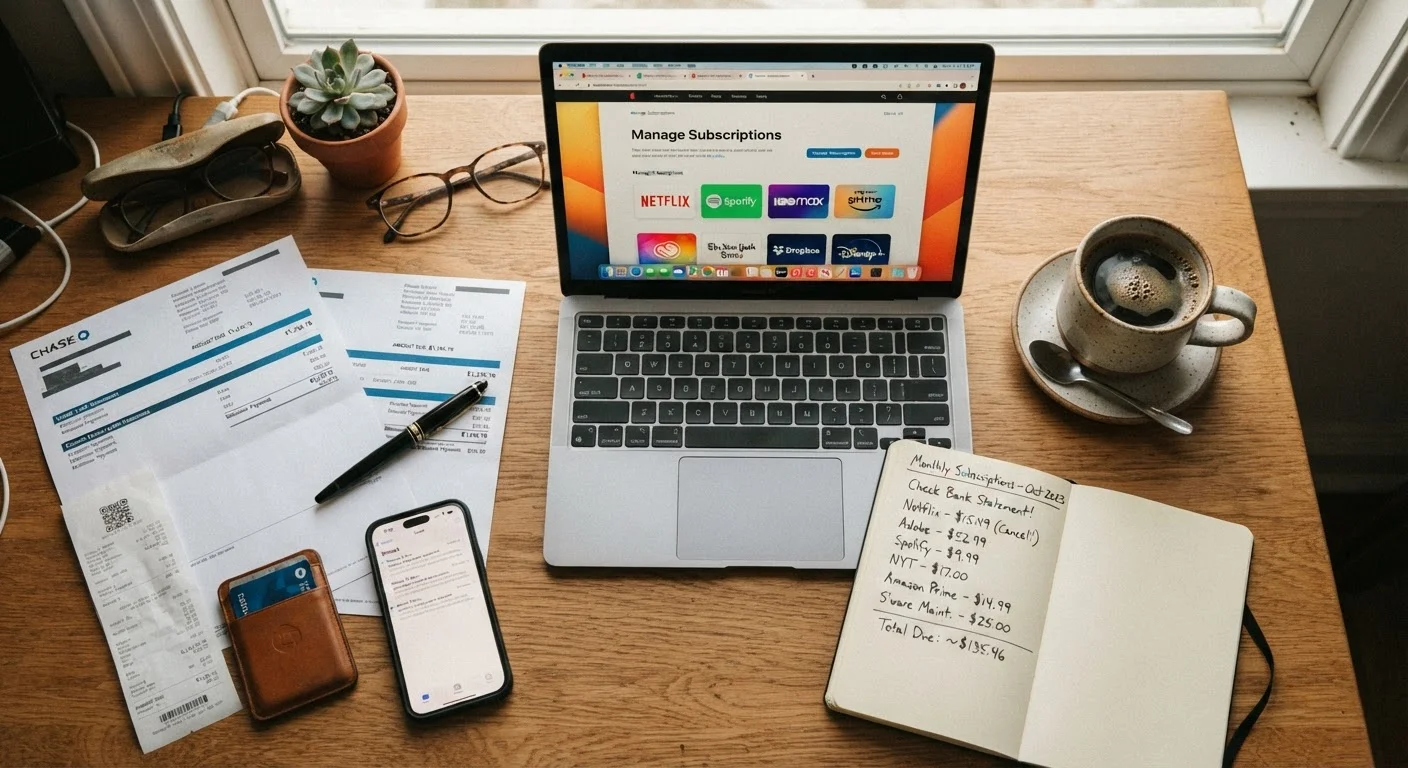
Photo credit: TurboBlogs.net | Explore Blogs At Turbo Speed
In this article
Recurring charges add up quietly. Here's how to audit your subscriptions, spot auto-renewal traps, and decide what's actually worth keeping.
Key Takeaways
- Most households pay for at least one subscription they no longer actively use.
- Auto-renewal clauses are legal but often buried in sign-up fine print.
- A simple audit of bank and credit card statements can surface forgotten charges quickly.
- Canceling unused subscriptions is one of the fastest ways to reclaim discretionary spending.
- Setting calendar reminders before trial periods end prevents unwanted charges.
Why Subscription Spending Sneaks Up on You
Subscription services are designed to be frictionless - easy to start, easy to forget, and just inconvenient enough to cancel that most people put it off. A $9.99 charge here, a $14.99 charge there: individually, none of it feels significant. But these amounts compound quietly in the background of your financial life, sometimes for months or years after you've stopped using a service.
Auto-renewal clauses are a standard part of most subscription agreements. When you sign up for a free trial or a discounted introductory rate, you're typically agreeing that the service will charge you automatically at the end of that period unless you actively opt out. The disclosure is usually legal and present - but it's often buried in small print during a fast sign-up flow designed to minimize friction.
This isn't a reason to avoid subscriptions entirely. Many deliver genuine ongoing value. The problem is the passive accumulation of ones that don't. As the spending habits that quietly add up piece explains, the most budget-draining patterns often feel completely normal until you total them up. Subscription creep is a textbook example.
Check Every Payment Method You Own
Subscription charges don't always go to your primary card. Check every credit card, debit card, and PayPal or digital wallet account you've ever used for online purchases. It's common to find forgotten subscriptions on an older card you rarely check.
What You'll Need Before You Start
Running a subscription audit doesn't require special software or a finance background. You just need a bit of focused time and a few things pulled together before you begin.
What you will need
Bank or credit card statement
The primary source for identifying every recurring charge hitting your accounts.
Email inbox search
Search terms like 'subscription', 'receipt', 'renewal', and 'invoice' surface confirmation emails for services you may have forgotten.
Spreadsheet or notes app
Tracks each subscription name, monthly cost, renewal date, and your keep/cancel decision in one place.
Calendar app
Set reminders 5-7 days before trial or renewal dates so you have time to cancel before being charged.
How to Audit and Manage Your Subscriptions
Follow these steps to surface every recurring charge, evaluate each one honestly, and build a system that keeps future spending intentional. If you want to fold this into a broader financial review, the monthly budget audit checklist is a natural companion.
Pull three months of statements
Download or review the last three months of statements from every bank account and credit card you use. Three months is the right window because some subscriptions bill quarterly, and a single month won't catch them. Look for any charge that repeats - even if the amount varies slightly.
Search your email for subscription confirmations
Open your email and search for keywords: subscription, renewal, receipt, invoice, trial ending, and billing. Many services send annual renewal notices that you may have dismissed without reading. Cross-reference these with your statement findings.
Build your master subscription list
Create a simple table with columns for: service name, monthly or annual cost, billing date, and status (active or unused). Record every recurring charge you've found, even ones you intentionally signed up for and still use. You need the complete picture before you can make good decisions.
Also note which subscriptions are charged annually - these are easy to forget between billing cycles and often carry the steepest auto-renewal surprises. The spending categories most budgets miss article covers exactly why annual charges tend to blindside people.
Flag anything you don't recognize
If a charge appears on your statement but you can't identify the merchant, don't skip past it. Search the exact merchant name online - subscription billing descriptors are sometimes different from the brand name you know. If you genuinely cannot identify a charge after researching it, contact your bank or card issuer to dispute it or request clarification.
Cancel subscriptions you're not using
For each subscription you've decided to drop, cancel directly through the service's account settings or app - don't rely on emailing customer support, which can be slow. Screenshot or save your cancellation confirmation. Some services try to retain you with a pause option or a discounted rate; accept these only if you genuinely intend to return.
Set renewal reminders going forward
For every subscription you keep - and any new one you sign up for - add a calendar reminder 7 days before the next renewal date. This gives you a decision window before the charge hits. For annual subscriptions, a reminder 30 days out is even better, giving you time to evaluate whether a full year's value was actually delivered.
Canceling Doesn't Always Stop the Next Charge
Some services process cancellations at the end of your current billing period, not immediately. Others require cancellation a set number of days before renewal to avoid being charged. Always check the service's terms, and verify your cancellation confirmation before assuming the charges will stop.
Deciding What's Actually Worth Keeping
Once you have a complete list of your active subscriptions, the goal isn't to cancel everything - it's to make intentional choices. A useful mental test: if a service quietly disappeared tomorrow and you didn't notice for two weeks, it probably isn't earning its place in your budget.
For each subscription, ask: How often do I actually use this? Does the cost align with the value I get? Is there a free alternative I'd be satisfied with? Could I get the same value from a lower tier or a one-time purchase?
It's also worth checking whether any subscriptions overlap. Streaming services, cloud storage plans, and news sites frequently offer similar content. Paying for two services that serve the same need is a common result of signing up at different moments without stepping back to look at the whole picture. That same overlooked duplication happens in wardrobe spending too - as explored in the seasonal wardrobe waste patterns article.
Subscriptions that pass your honest review? Keep them with confidence. Those that don't? Cancel promptly and redirect that spending somewhere that actually improves your day. For a structured way to think through any purchase before committing, the pre-purchase checklist for everyday shoppers applies just as well to subscriptions as it does to one-time buys.
This article is for general informational and educational purposes only. It does not constitute financial or legal advice. For guidance tailored to your personal financial situation, consult a qualified financial professional.

Author
Lifestyle & Shopping Editorial Team
Lifestyle & Shopping Editorial Team is the collective byline for our editorial team and contributor network. Articles published under this byline or an editorial pen name are researched, written, and reviewed according to our editorial standards for clarity, consistency, and independence before publication.
View all articles →