
Fixed vs. Variable Expenses: What the Difference Means for Your Budget
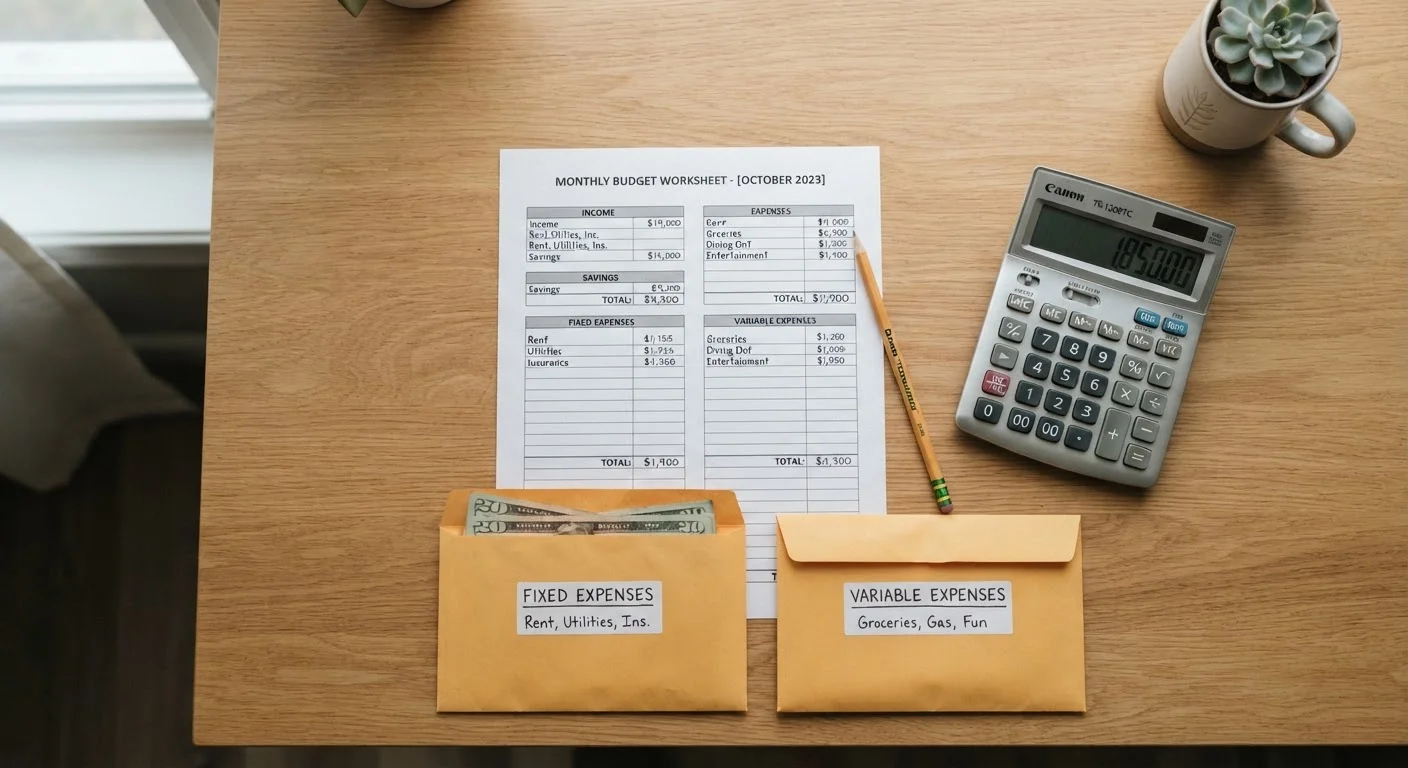
Photo credit: TurboBlogs.net | Explore Blogs At Turbo Speed
In this article
Understand the distinction between fixed and variable costs and how correctly categorizing them shapes a more realistic spending plan.
Key Takeaways
- Fixed expenses stay the same each month, making them easier to plan for in advance.
- Variable expenses fluctuate and are typically the first place to look when cutting spending.
- Correctly categorizing both types helps you set realistic spending targets and avoid budget gaps.
- Some expenses are 'periodic fixed' - they're consistent but don't appear every month.
- Tracking variable spending for two to three months reveals your true average costs.
Defining Fixed and Variable Expenses
Every dollar you spend falls into one of two broad categories: fixed or variable. Understanding which is which is one of the most practical skills in personal budgeting - and one of the most overlooked.
Fixed expenses are costs that remain the same amount every billing cycle, regardless of how you behave during the month. Rent or mortgage payments, car loan installments, insurance premiums, and subscription services with flat monthly fees are classic examples. You owe that amount whether or not you used the service heavily, and the amount doesn't change based on your choices.
Variable expenses, by contrast, change month to month based on your behavior and circumstances. Groceries, utility bills, gasoline, dining out, clothing, and personal care fall into this group. Spend less, pay less. Spend more, pay more. These costs are directly tied to your decisions and lifestyle habits.
There's also a useful middle category worth noting: periodic fixed expenses. These are predictable in amount but don't arrive every month - think annual car registration fees, semi-annual insurance premiums, or quarterly subscriptions. They're fixed in value but irregular in timing, so they're easy to forget and frequently blow budgets when they arrive unexpectedly. See our guide to commonly overlooked spending categories for more on costs that quietly derail monthly plans.
| Criterion | Fixed Expenses | Variable Expenses |
|---|---|---|
| Amount each month | Stays the same | Changes based on behavior |
| Examples | Rent, car loan, insurance | Groceries, gas, dining out |
| Ease of predicting | Very easy - exact amount known | Requires tracking and averaging |
| Room for short-term adjustment | Low - changes take time | High - responds to daily choices |
| Budget planning role | Sets the monthly spending floor | Sets the adjustment ceiling |
| Risk of being underestimated | Low if all obligations are listed | High - lifestyle creep is common |
Why This Distinction Matters for Your Budget
Treating all expenses the same is one of the most common budgeting mistakes. When you mix fixed and variable costs without distinguishing them, you lose visibility into where your money is actually going - and where you actually have control.
~33%
Average share of income spent on housing
The U.S. Bureau of Labor Statistics Consumer Expenditure Survey consistently shows housing - a fixed cost for most - consuming roughly a third of average household spending.
2-3 months
Tracking time needed for reliable variable averages
Personal finance practitioners generally recommend tracking variable expenses for at least two to three months to account for natural month-to-month fluctuations.
Fixed expenses set the floor. Before you allocate a single discretionary dollar, you need to know exactly how much of your income is already committed. Adding up every fixed obligation gives you a clear minimum - the amount you must earn each month to stay financially stable.
Variable expenses set the ceiling for adjustment. When income drops or a savings goal requires more aggressive action, variable costs are where you have leverage. You can't easily renegotiate your rent on short notice, but you can scale back grocery spending, pause a streaming service, or reduce discretionary shopping within days.
This framing matters especially if your income varies from month to month. Knowing your fixed floor lets you protect essential payments first. A monthly budget audit checklist can help you revisit both categories regularly and catch drift before it becomes a problem.
It's also worth acknowledging that some fixed costs can be renegotiated over time - refinancing a mortgage, switching insurance coverage levels, or downgrading a subscription plan. But these changes require deliberate action and often take weeks or months to take effect. Variable costs respond to daily decisions.
How to Put This Framework Into Practice
Applying the fixed-versus-variable distinction doesn't require special software or financial expertise. Start with two columns and one month of bank and credit card statements.
- List every recurring obligation with a fixed amount. Rent, mortgage, car payment, insurance, loan repayments, fixed subscriptions. Total them. This is your committed monthly floor.
- List every expense that changed in amount last month. Groceries, gas, utilities, dining, entertainment, personal care. These are your variable costs.
- Flag any periodic fixed costs due in the next 12 months. Divide each annual amount by 12 and set that amount aside monthly so the bill doesn't arrive as a surprise.
- Track variable spending for two to three months before setting targets. One month of data is rarely representative - averages give you more honest benchmarks.
Once you have both totals, subtract them from your take-home income. What remains is your actual discretionary margin. If that number is thin or negative, variable expenses are where to start looking for cuts. For a broader look at the trade-offs that come with tightening a budget significantly, see the honest trade-offs of living on a strict budget.
Utilities: Fixed or Variable?
Utility bills like electricity and gas often feel fixed because they arrive on schedule - but they're actually variable, since usage drives the amount. Some utility providers offer 'budget billing' programs that average your annual usage into equal monthly payments, effectively converting a variable cost into a predictable fixed one. Check with your provider to see if this option is available in your area.
This article is for general informational and educational purposes only and does not constitute personalized financial advice. Consider consulting a qualified financial professional for guidance tailored to your individual situation.

Author
Personal Finance Editorial Team
Personal Finance Editorial Team is the collective byline for our editorial team and contributor network. Articles published under this byline or an editorial pen name are researched, written, and reviewed according to our editorial standards for clarity, consistency, and independence before publication.
View all articles →