
Credit Scores Decoded: What Each Number Range Actually Means
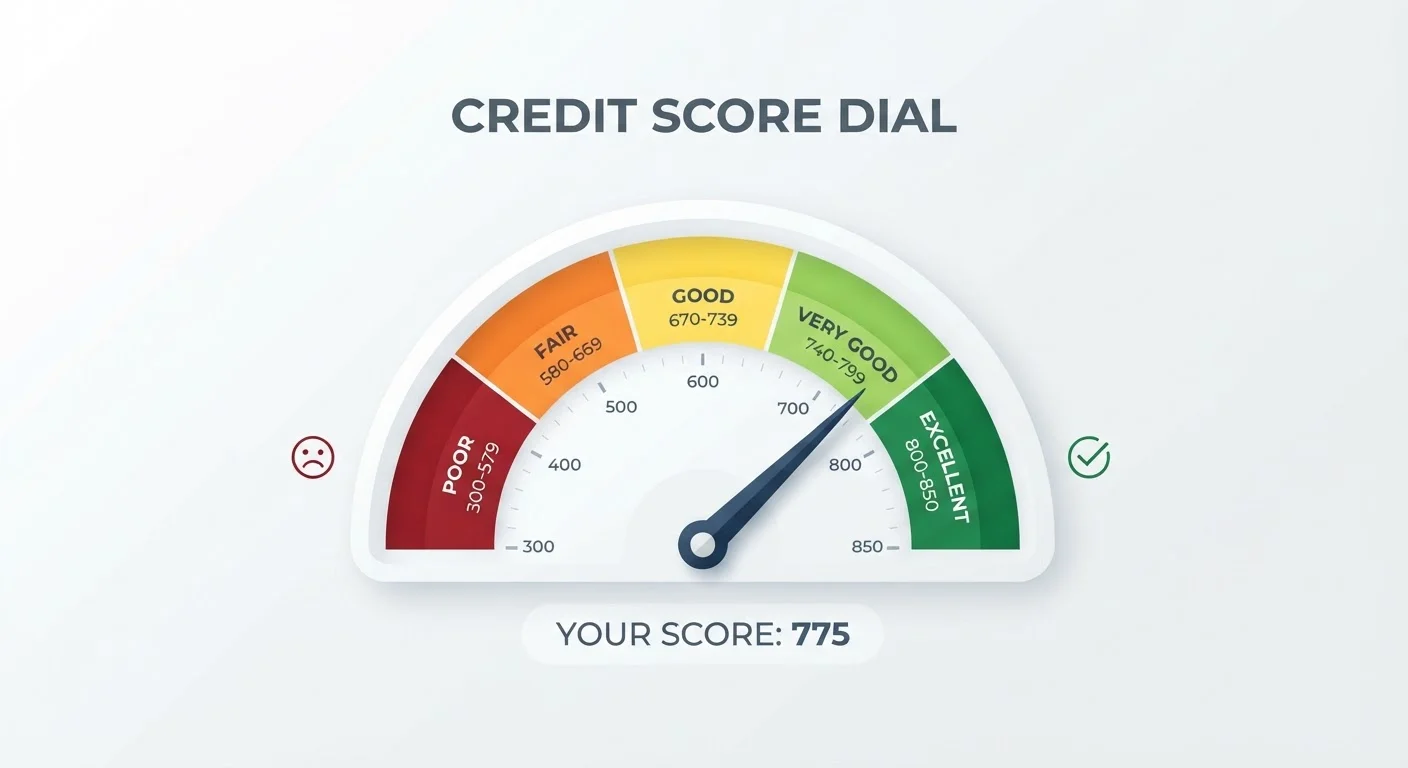
Photo credit: TurboBlogs.net | Explore Blogs At Turbo Speed
In this article
From 580 to 800+, learn what credit score ranges signal to lenders and how each tier affects your financial options.
Key Takeaways
- Credit scores run from 300 to 850, and lenders group them into tiers that signal borrowing risk.
- A score above 670 is generally considered 'good' and opens access to competitive rates.
- Scores below 580 are classified as poor and often limit loan options or trigger higher interest rates.
- Improving your score by even one tier can meaningfully reduce what you pay over a loan's lifetime.
- Multiple scoring models exist; your score may vary slightly depending on which model a lender uses.
The Five Credit Score Tiers, Explained
Credit scores don't just tell lenders a single number - they tell a story about financial reliability. The standard FICO scale breaks into five tiers, each carrying different implications for what lenders will offer you.
- Exceptional (800-850): Borrowers in this range are seen as extremely low-risk. They typically qualify for the lowest available interest rates and the most favorable loan terms.
- Very Good (740-799): Slightly below exceptional, but still highly competitive. Borrowers here access most premium financial products with little friction.
- Good (670-739): The national benchmark. Borrowers qualify for mainstream credit products, though not always at the very best rates.
- Fair (580-669): Lenders may approve borrowers in this range but often charge higher rates or impose stricter conditions as a risk offset.
- Poor (300-579): Significant challenges in obtaining traditional credit. Borrowers may need secured products, co-signers, or credit-building tools to regain footing.
To understand what drives these numbers in the first place, see our breakdown of the five factors that shape your credit score.
714-718
Average U.S. FICO Score
FICO data indicates the average American credit score has consistently landed in the 'good' tier in recent years.
~49%
Americans with scores above 740
According to FICO, roughly half of U.S. consumers fall in the 'very good' or 'exceptional' range.
3-5%+
Potential rate gap between tiers
Borrowers in the poor or fair range often pay interest rates several percentage points higher than those in the exceptional range on comparable loan products.
What Each Tier Costs You in Real Terms
Score ranges aren't abstract labels - they translate directly into dollars. Consider a $25,000 auto loan over 60 months. A borrower with an exceptional score might lock in a rate under 5%, while someone in the fair range could face a rate two to three times higher. Over five years, that gap can amount to thousands of dollars in extra interest paid.
The same dynamic plays out with mortgages at a far larger scale. On a 30-year home loan, even a half-percentage-point difference in rate - often the gap between a 'good' and 'very good' score - can cost or save tens of thousands of dollars over the life of the loan.
Credit card APRs follow a similar pattern. Cardholders in the poor-to-fair range are frequently offered rates well above the national average, while those in the exceptional tier often qualify for 0% introductory offers and the lowest ongoing rates.
How to Use Your Score Range as a Roadmap
Knowing your tier is only useful if you act on it. Each range suggests a practical next step.
If you're in the poor or fair range, the priority is damage control: make every payment on time, chip away at high-utilization balances, and review your credit report for errors that may be dragging your score down unfairly.
If you're in the good range, the goal shifts to optimization. Reducing revolving debt, avoiding unnecessary new accounts, and letting older accounts age naturally can push you into the very good tier over time.
If you're already in the very good or exceptional range, the focus is maintenance. Consistent habits matter more than aggressive strategies at this level. Our guide on keeping your credit healthy long-term outlines the routines worth sustaining.
Check Your Score Before Applying
Before applying for any major loan or credit card, pull your credit score and report so you know which tier you're in. This lets you anticipate what terms to expect, spot errors that could be holding your score down, and decide whether it's worth waiting a few months to improve your standing before submitting a formal application.
This article is for general informational and educational purposes only and does not constitute personalized financial or credit advice. Consult a licensed financial professional for guidance specific to your situation.
Frequently Asked Questions

Author
Personal Finance Editorial Team
Personal Finance Editorial Team is the collective byline for our editorial team and contributor network. Articles published under this byline or an editorial pen name are researched, written, and reviewed according to our editorial standards for clarity, consistency, and independence before publication.
View all articles →