
Good Debt vs. Bad Debt: Does the Distinction Actually Hold Up?
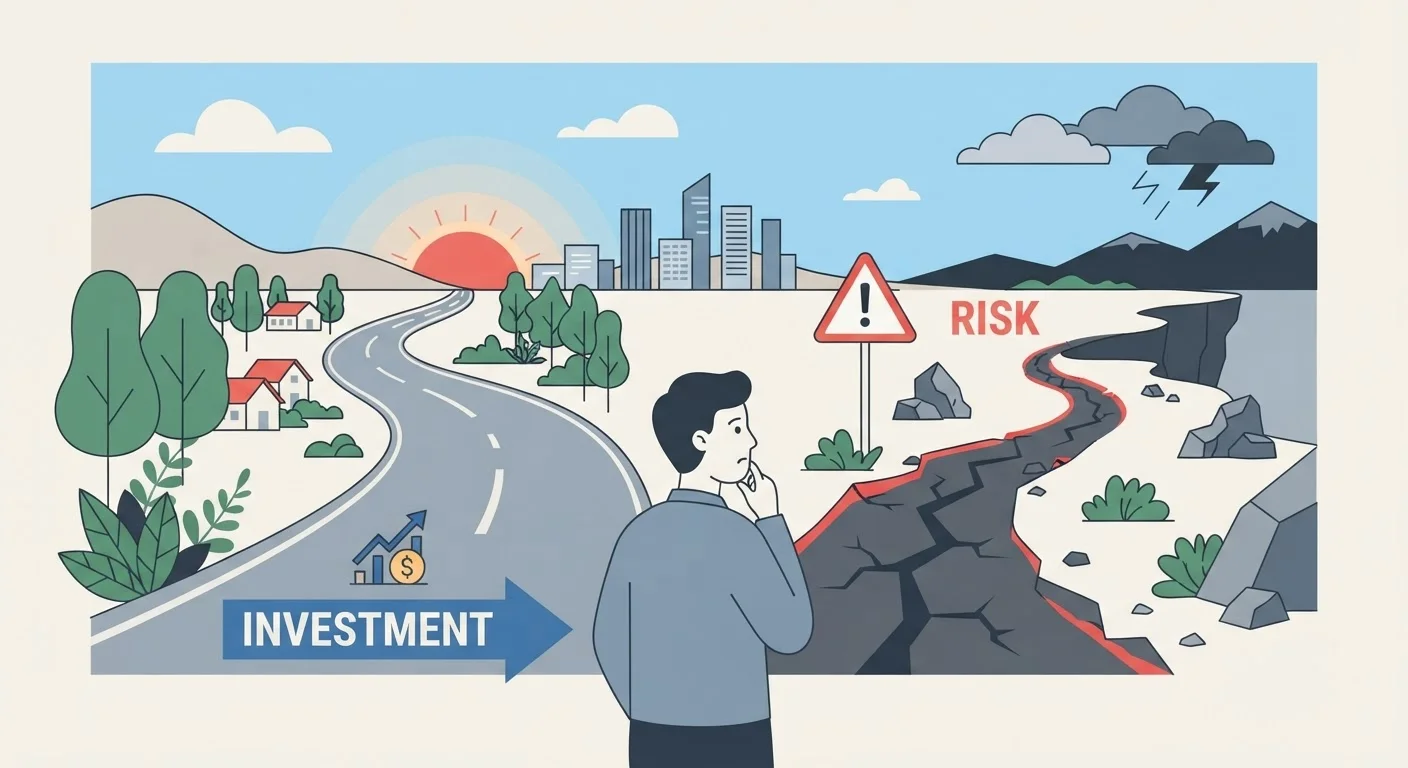
Photo credit: TurboBlogs.net | Explore Blogs At Turbo Speed
In this article
The 'good debt vs. bad debt' rule is popular personal finance wisdom—but the reality is more nuanced. Here's what the labels miss.
Key Takeaways
- The 'good debt' label doesn't guarantee a debt is safe or financially smart in all situations.
- Interest rate and repayment terms matter far more than which category a debt falls into.
- Student loans and mortgages can become burdensome despite being labeled 'good debt.'
- Context - including your income, job stability, and alternatives - determines whether any debt is wise.
- Debt management strategies should focus on real costs and risks, not convenient labels.
Where the 'Good Debt vs. Bad Debt' Framework Comes From
The distinction between good and bad debt became a staple of personal finance advice as a way to help people think more clearly about borrowing. The general idea: debt used to acquire an asset that grows in value or boosts your earning power (a mortgage, a student loan) is 'good,' while debt used for consumption or depreciating purchases (credit cards, car loans) is 'bad.'
As a rough mental shortcut, it's not entirely wrong. But as a decision-making framework, it can mislead. The actual financial impact of any debt depends on the interest rate, the total repayment cost, your ability to service the debt, and what alternatives existed. None of those factors show up in the label.
This article examines the most common myths built around the good/bad debt distinction - and what a clearer, more honest approach to borrowing looks like.
Common Myths About Good and Bad Debt
The myths below reflect beliefs that many borrowers carry into major financial decisions. Each one shows how the good/bad framework can produce overconfident or underinformed choices.
Myth
Mortgages are always 'good debt' because real estate always appreciates in value.
Fact
Home values can and do decline, and the total cost of a mortgage often far exceeds the purchase price when interest is included.
The idea that real estate is a guaranteed investment was challenged significantly during the 2008 housing crisis, when home values fell sharply across the country. A mortgage can be a reasonable financial tool, but whether it's beneficial depends on the purchase price, interest rate, down payment, how long you stay in the home, and local market conditions. Paying $400,000 in total interest on a $300,000 home loan is a real cost - one the 'good debt' label can obscure.
Myth
Credit card debt is always 'bad debt' and should be avoided at any cost.
Fact
Credit cards carry high interest rates, but used strategically and paid in full monthly, they carry no interest cost at all.
The 'bad debt' designation often lumps together two very different behaviors: carrying a revolving balance at 20%+ interest versus using a card as a payment tool and clearing the balance each cycle. The former is genuinely expensive; the latter costs nothing in interest. The real risk isn't the instrument - it's the behavior. Readers who want to understand how credit behavior affects their broader financial profile can explore the complete guide to debt and credit.
Myth
Student loans are smart investments because education always increases your earning potential.
Fact
Return on educational investment varies widely by field of study, institution, and individual career outcomes.
Research consistently shows that the earnings premium from a college degree depends significantly on what and where you study. Some graduates earn enough to service their loans comfortably; others carry debt that exceeds their annual income. Calling student loans 'good debt' as a blanket rule ignores this variation. Total borrowing, projected starting salary, and loan terms all matter - and no label substitutes for that analysis.
Myth
If a debt is 'good,' you don't need to prioritize paying it off quickly.
Fact
Even lower-interest 'good' debts accumulate significant interest over time and carry real opportunity costs.
Money used to service debt - even at a relatively low interest rate - is money not going toward savings, retirement contributions, or other financial goals. Whether accelerating repayment makes sense depends on the interest rate compared with potential returns elsewhere, your cash flow, and your overall financial picture. The debt avalanche vs. debt snowball comparison outlines two structured approaches to prioritizing payoff across multiple debts.
Myth
Taking on 'good debt' is always better than using savings.
Fact
Borrowing at an interest rate that exceeds what your savings would earn almost always costs you more in net terms.
If a loan carries a 7% interest rate and your savings are earning 4%, borrowing costs you a net 3% annually - real money over time. The 'good debt' framing can encourage people to borrow unnecessarily when liquid savings would serve them better. The calculus changes based on liquidity needs, tax considerations, and risk tolerance, which is why individual circumstances matter more than categorical labels.
Student Loan Debt Can Outlast Its Benefits
Borrowing for education is routinely called 'good debt,' but the outcome depends heavily on the program, institution, and career path. Degrees that don't translate to sufficient income to cover loan repayments can create long-term financial strain. Research realistic salary ranges and total borrowing costs before committing to any educational loan.
A More Useful Way to Evaluate Any Debt
Rather than asking whether a debt is 'good' or 'bad,' consider these more actionable questions before borrowing:
- What is the total cost? Multiply the monthly payment by the number of payments, then add fees. Compare this to the sticker price.
- What is the interest rate relative to alternatives? If you can earn more on savings or investments than the loan costs, the calculus shifts.
- How does this debt fit your income and cash flow? A manageable payment today may become a burden if circumstances change.
- Is there a path to early payoff? Extra payments on even low-rate debt can materially reduce total interest.
Labels Don't Replace Real Math
Before taking on any debt, calculate the total repayment cost - not just the monthly payment. A 'good' debt with a high interest rate or poor repayment terms can cost far more than a supposedly 'bad' debt that you pay off quickly. Always evaluate the actual numbers for your specific situation, and consider consulting a licensed financial professional before making major borrowing decisions.
If you're already managing multiple debts and trying to decide which to tackle first, the debt avalanche and snowball strategies offer two structured frameworks. And if you're noticing warning signs that debt is outpacing your income, recognizing the signs early opens more options for getting back on track.
$104,215
Average American household debt (excluding mortgage)
According to Federal Reserve data analyzed by the St. Louis Fed, American households carry substantial non-mortgage debt across auto, student, and revolving credit accounts.
20%+
Typical credit card APR in recent years
The Consumer Financial Protection Bureau has reported average credit card interest rates exceeding 20% annually - highlighting why carrying a balance is costly regardless of labeling.
This article is for general informational and educational purposes only and does not constitute personalized financial, investment, tax, or legal advice. Consult a licensed financial professional for guidance specific to your situation.

Author
Personal Finance Editorial Team
Personal Finance Editorial Team is the collective byline for our editorial team and contributor network. Articles published under this byline or an editorial pen name are researched, written, and reviewed according to our editorial standards for clarity, consistency, and independence before publication.
View all articles →