
Habits That Distinguish Consistent Savers From Occasional Ones
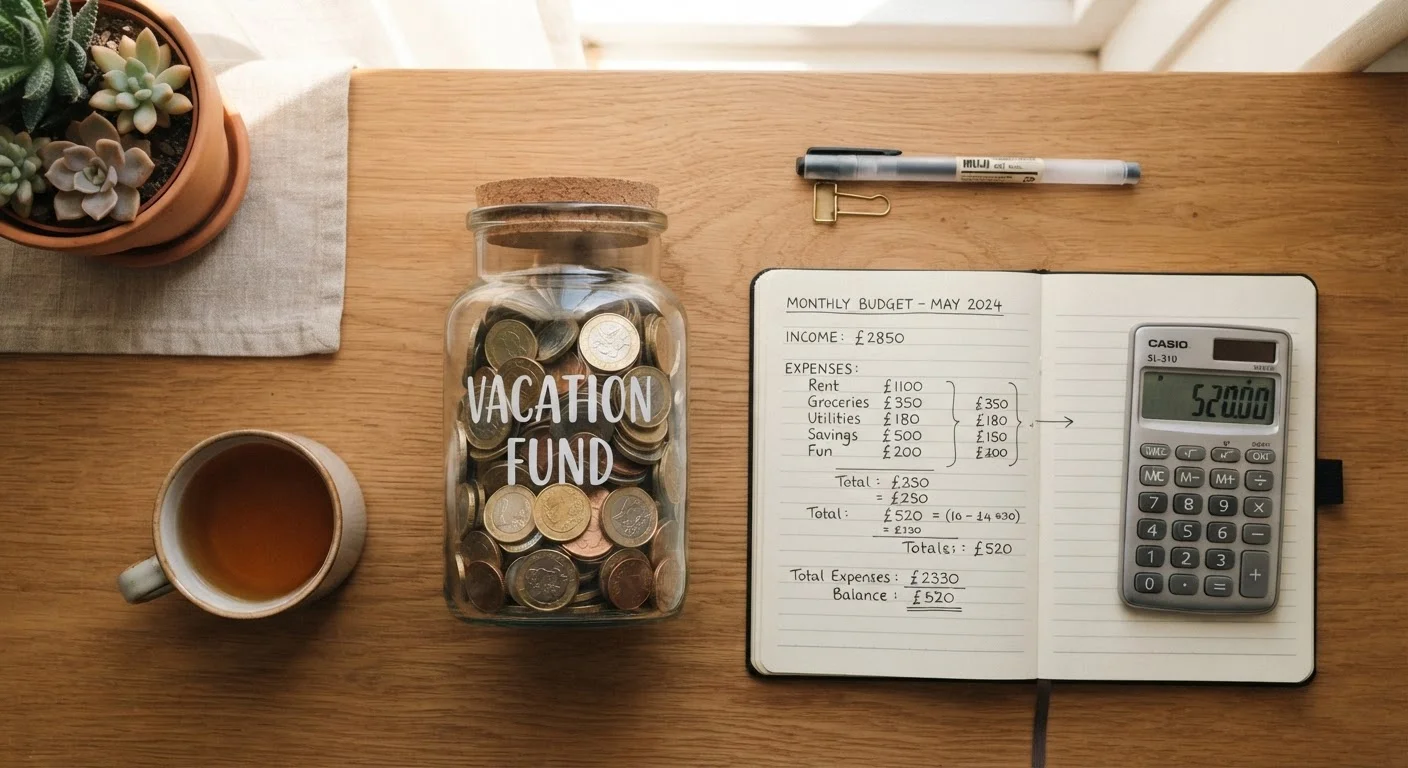
Photo credit: TurboBlogs.net | Explore Blogs At Turbo Speed
In this article
Consistent saving isn't about income level—it's largely about behavior. These evidence-backed habits explain why some people build savings steadily over time.
Key Takeaways
- Consistent savers automate contributions so saving happens before discretionary spending begins.
- Treating saving as a fixed expense-not an afterthought-is the key behavioral shift that separates steady savers.
- Small, regular contributions compound meaningfully over time, outperforming sporadic large deposits.
- Reviewing progress on a scheduled basis helps savers catch drift early and stay on track.
- Pairing spending awareness with a clear savings goal dramatically improves follow-through.
Why Behavior Matters More Than Income
A common misconception is that consistent savers simply earn more. Research in behavioral economics repeatedly shows otherwise: saving habits are largely driven by systems and decisions, not paycheck size. People across a wide range of income levels struggle to save consistently, while others on modest salaries build meaningful reserves over time.
The difference almost always comes down to behavior - specifically, a handful of repeatable practices that make saving the default rather than the exception. Understanding these habits can help anyone, regardless of their current financial situation, move from occasional saving to steady, reliable progress. For a broader foundation, see the full guide to saving and investing that covers everything from first steps to long-term wealth building.
The Core Habits of Consistent Savers
The practices below aren't abstract - they're concrete behaviors that research and established financial planning principles consistently identify as separating steady savers from occasional ones.
Automate your savings contribution on every payday.
When money is transferred to savings automatically - before it hits your checking account - you remove the temptation to spend it first. This eliminates the decision fatigue that causes most people to skip saving in busy or stressful months.
Assign every savings dollar a specific purpose.
Vague intentions to 'save more' rarely survive real-world spending pressure. When savings are labeled - emergency fund, car repair, vacation - they feel more concrete and are psychologically harder to raid for impulse spending.
Treat your savings contribution as a fixed monthly bill.
Consistent savers mentally categorize their savings transfer the same way they categorize rent or utilities: non-negotiable. This framing shifts saving from 'whatever is left over' to a first-priority expense.
Review and increase your savings rate at least once a year.
Income, expenses, and goals shift over time. Savers who never revisit their contribution amount often find themselves saving the same nominal dollar amount for years, losing ground to inflation and changing life circumstances.
Track spending regularly to protect your savings buffer.
Consistent savers tend to know where their money goes. Awareness of spending patterns helps identify leaks - recurring charges, category overspending - that quietly compete with savings goals. You can't fix what you can't see.
These habits share a common thread: they reduce the number of active decisions required to save. When saving is automatic and goal-oriented, willpower and motivation become far less relevant to the outcome.
Quick Actions You Can Take Today
You don't need to overhaul your entire financial life to start behaving more like a consistent saver. A few targeted actions can create meaningful momentum almost immediately.
Even one or two of these steps, taken today, can shift the trajectory of your savings over the coming months. For a structured way to connect these actions to a specific goal, explore building your first budget around a savings goal.
Start Small - Consistency Beats Size
If automating 10% feels out of reach right now, start with 1% or a flat $25 per paycheck. The structural habit of saving something automatically every pay cycle is far more valuable long-term than the dollar amount. As your budget adjusts, increase the amount gradually. Behavioral research consistently shows that getting the system in place matters more than starting at the 'right' number.
Staying on Track Over the Long Run
Consistent savers don't just start well - they maintain momentum by checking in regularly and adjusting when life changes. A savings habit without periodic review tends to drift as expenses evolve, income shifts, or goals change.
~57%
Americans who cannot cover a $1,000 emergency expense from savings
According to Bankrate's annual emergency savings report, a majority of U.S. adults would need to borrow or use credit to handle a common unexpected expense - underscoring how rare true savings consistency remains.
1-3%
Typical annual savings rate increase from reviewing contributions yearly
Financial planning practitioners commonly observe that clients who schedule annual savings reviews tend to incrementally raise their contribution rates over time, compounding the long-term effect of consistent habit review.
Setting a calendar reminder to review your savings rate, account balances, and contribution amounts at least once a year is one of the simplest high-impact habits you can adopt. The annual financial check-up guide offers a structured checklist for doing exactly that.
It's also worth being honest about spending patterns that quietly undermine saving. Certain everyday habits can drain budgets without feeling significant in the moment - the shopping habits that keep people broke article covers what to watch for.
This article is for general informational and educational purposes only and does not constitute personalized financial advice. Consider consulting a licensed financial professional for guidance tailored to your specific situation.

Author
Personal Finance Editorial Team
Personal Finance Editorial Team is the collective byline for our editorial team and contributor network. Articles published under this byline or an editorial pen name are researched, written, and reviewed according to our editorial standards for clarity, consistency, and independence before publication.
View all articles →