
Stocks vs. Bonds: How Each One Behaves in a Portfolio
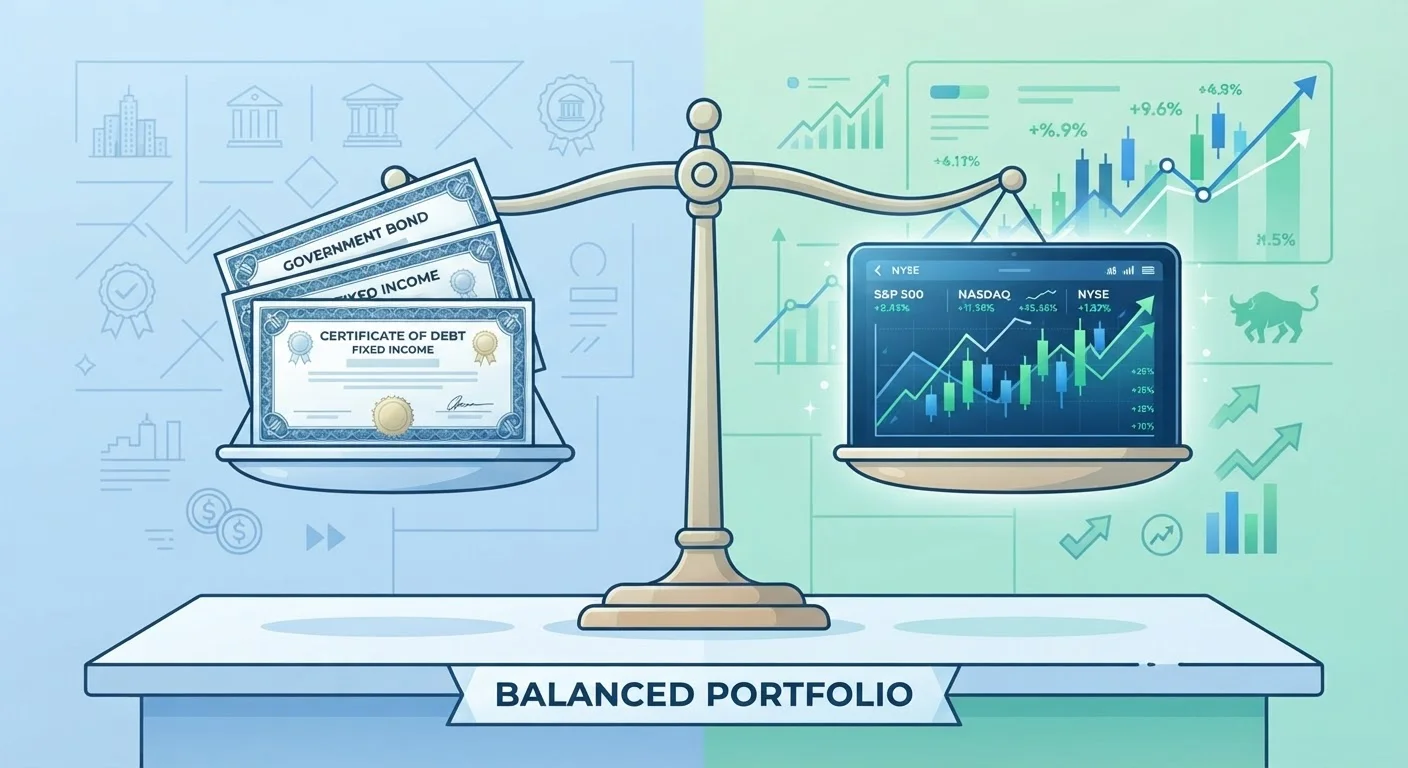
Photo credit: TurboBlogs.net | Explore Blogs At Turbo Speed
In this article
Stocks and bonds don't move the same way, and that's the point. Understand what each asset class does and how they balance risk over time.
Key Takeaways
- Stocks offer higher long-term growth potential but carry greater short-term price swings.
- Bonds provide more predictable income and tend to lose less value during market downturns.
- Holding both assets together can reduce overall portfolio volatility through diversification.
- The right stock-to-bond ratio depends on your time horizon, risk tolerance, and financial goals.
- Neither asset class eliminates risk - bonds carry interest rate and credit risk of their own.
What Stocks and Bonds Actually Are
When you buy a stock, you're purchasing a small ownership stake in a company. If that company grows and becomes more valuable, your shares rise in price. Many stocks also pay dividends - periodic cash distributions from company profits. But ownership cuts both ways: if the company struggles, your investment can lose significant value quickly.
A bond works differently. When you buy a bond, you're lending money to a government or corporation. In exchange, the issuer promises to pay you a fixed interest rate (called the coupon rate) on a set schedule and return your original principal when the bond matures. Bonds are debt instruments - you're a creditor, not an owner.
This structural difference is the root of nearly every distinction in how the two asset classes behave. For a deeper look at how these and other asset categories fit together, see our guide to asset allocation.
How Each Asset Class Behaves
Stocks are growth-oriented but volatile. Historically, broad stock market indexes have delivered higher average annual returns over long periods than bonds - but those returns come with year-to-year swings that can be dramatic. A portfolio concentrated in stocks can drop sharply during economic recessions or market panics, which is difficult to stomach if you need the money soon.
Bonds are income-oriented and more stable - but not risk-free. Bond prices move inversely to interest rates: when rates rise, existing bond prices fall. This is called interest rate risk. There's also credit risk: if an issuer defaults, you may not receive your full principal back. U.S. Treasury bonds are considered among the safest because they're backed by the federal government, while corporate bonds carry varying degrees of credit risk depending on the issuer's financial health.
| Stocks | Bonds | |
|---|---|---|
| What you become | Part-owner of a company | Creditor (lender) to an issuer |
| Primary return source | Price appreciation and dividends | Fixed interest (coupon) payments |
| Historical growth potential | Higher over long periods | Lower, more predictable |
| Short-term volatility | High - prices can swing sharply | Generally lower than stocks |
| Main risks | Market risk, company failure | Interest rate risk, credit risk |
| Typical role in portfolio | Growth engine | Stability and income cushion |
| Time horizon fit | Best for long horizons (10+ years) | Useful at any stage; more so near retirement |
One of the most valuable characteristics of the stock-bond relationship is that the two often move in opposite directions during market stress - when stocks fall sharply, investors frequently shift money into bonds, pushing bond prices up. This tendency (which is not guaranteed and has varied historically) is a core reason diversified portfolios hold both.
Finding the Right Balance for Your Situation
Rebalance Periodically, Not Constantly
Over time, strong stock market gains can shift your portfolio away from your intended stock-bond mix. Reviewing your allocation once or twice a year - and adjusting if it has drifted significantly - helps keep your risk level in line with your goals. Avoid making dramatic changes in response to short-term market moves, which often leads to buying high and selling low.
A common rule of thumb suggests subtracting your age from 110 to get an approximate stock allocation percentage - so a 35-year-old might hold roughly 75% stocks and 25% bonds. This is a starting framework, not a prescription. Your actual allocation should reflect your specific risk tolerance, income needs, and when you'll need the money.
Younger investors with decades before retirement can typically absorb more stock market volatility because time allows their portfolios to recover from downturns. As retirement approaches, shifting toward more bonds can help preserve accumulated wealth and generate predictable income.
It's also worth noting that stocks and bonds aren't the only way to diversify - index funds are a practical vehicle that can give you exposure to hundreds of stocks or bonds at low cost, making diversification accessible to everyday investors.
This article is for general informational and educational purposes only and does not constitute personalised financial or investment advice. Past market performance does not guarantee future results. Consult a qualified, licensed financial adviser before making investment decisions based on your individual circumstances.

Author
Personal Finance Editorial Team
Personal Finance Editorial Team is the collective byline for our editorial team and contributor network. Articles published under this byline or an editorial pen name are researched, written, and reviewed according to our editorial standards for clarity, consistency, and independence before publication.
View all articles →