
Deductibles and Premiums: The Trade-Off Every Policyholder Should Understand
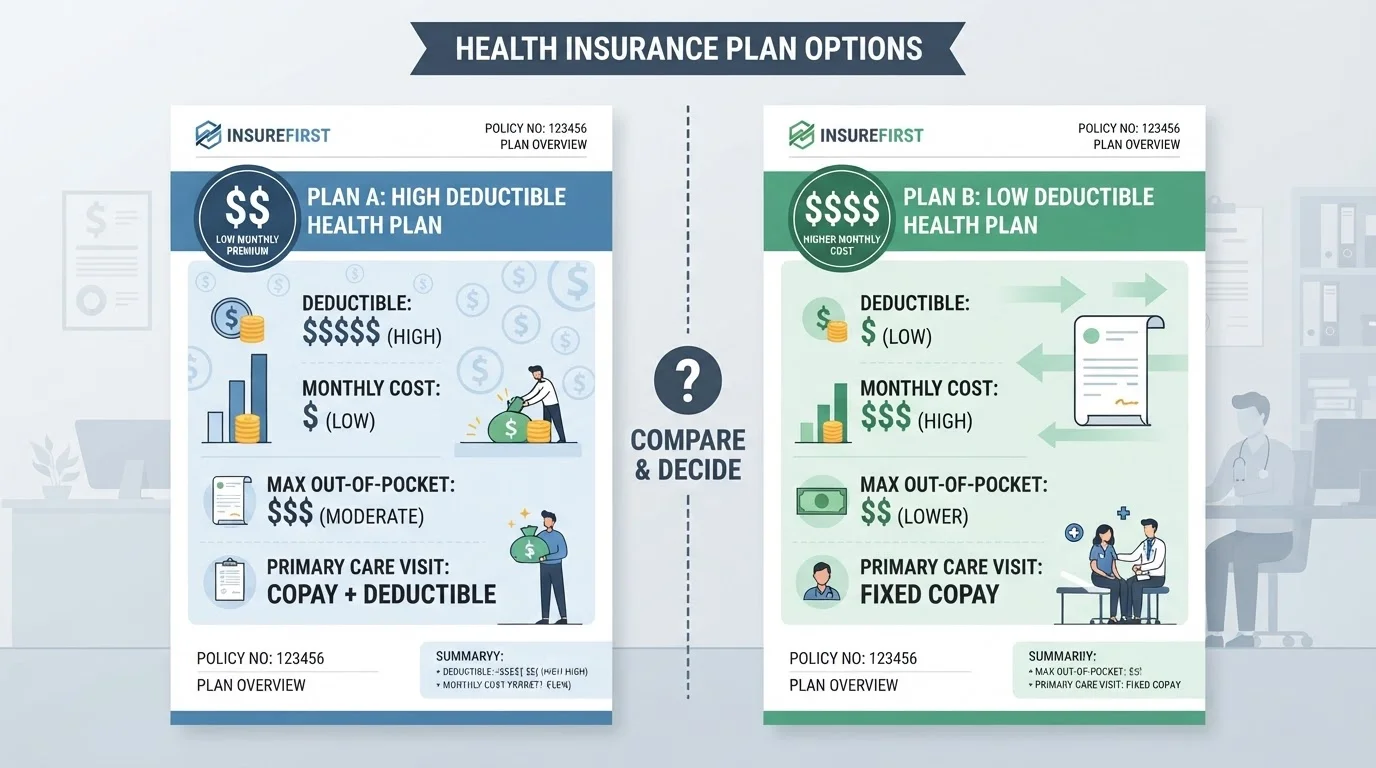
Photo credit: TurboBlogs.net | Explore Blogs At Turbo Speed
In this article
Choosing a higher deductible lowers your premium—but not always in your favor. See how the math works before making that call.
Key Takeaways
- A deductible is what you pay out of pocket before insurance covers the rest of a claim.
- Choosing a higher deductible typically lowers your premium, but increases your financial exposure per incident.
- The break-even point - how long before premium savings offset a higher deductible - is a key calculation.
- Your emergency savings, driving habits, and vehicle value all influence which structure suits you best.
- Neither option is universally better; the right choice depends on your financial situation and risk tolerance.
What These Two Terms Actually Mean
Auto insurance has its own vocabulary, and two words sit at the center of nearly every policy decision: deductible and premium. Understanding each - and how they interact - is foundational to making an informed coverage choice. For a broader orientation, see Auto Insurance Decoded.
Premium is the amount you pay your insurer - typically monthly or semi-annually - to keep your policy active. It is what you owe regardless of whether you ever file a claim.
Deductible is the dollar amount you pay out of pocket when you do file a covered claim, before your insurer pays its portion. If you have a $1,000 deductible and a covered repair costs $4,000, you pay the first $1,000 and your insurer covers the remaining $3,000.
The relationship is inverse: as your chosen deductible goes up, your premium generally goes down, and vice versa. Insurers reward policyholders who take on more of the first-dollar risk themselves.
| Criterion | High Deductible | Low Deductible |
|---|---|---|
| Monthly Premium | Lower ongoing cost | Higher ongoing cost |
| Out-of-Pocket at Claim Time | Higher amount owed | Lower amount owed |
| Best if You Rarely File Claims | Favorable - savings accumulate | Less favorable - paying more for unused coverage |
| Best if You File Claims Often | Costly - repeated large out-of-pocket hits | Favorable - limits per-claim exposure |
| Emergency Fund Requirement | Higher - must cover deductible if needed | Lower - insurer absorbs more quickly |
| Ideal Vehicle Value | Moderate to high value vehicle | Any - especially financed or leased |
The Math Behind the Trade-Off
The central question is not which structure sounds better - it is which one actually costs less given your circumstances. The concept of a break-even point is useful here.
Suppose a low-deductible policy ($500 deductible) costs $180 per month, while a high-deductible option ($1,500 deductible) costs $140 per month. That is a $40 monthly difference, or $480 per year in premium savings with the high-deductible plan. However, if you file a single claim, your out-of-pocket exposure increases by $1,000. At $480 saved annually, it would take roughly two years of claim-free driving before your savings offset that higher deductible.
If you go several years without a claim, the high-deductible choice pays off. If you file more frequently, the math can reverse quickly. The key variables are your claims history, your annual premium difference, and how long you realistically expect to keep that vehicle.
$500-$1,000
Most common collision deductible range
Industry data from the Insurance Information Institute indicates $500 and $1,000 are the most frequently selected deductible levels for collision coverage among U.S. drivers.
~$480/yr
Typical annual savings from raising deductible by $500
Insurers generally estimate that increasing a deductible by $500 can reduce collision and comprehensive premiums by roughly 10-30%, depending on the driver profile and insurer.
Keep in mind: premium is only one factor insurers weigh. Factors that shape your auto insurance premium - from your driving record and location to your vehicle type - all influence the final number.
How to Choose Based on Your Situation
No single deductible level is right for every driver. The decision hinges on three practical considerations:
- Emergency fund availability: A high deductible only works if you can actually cover it without financial strain. If $1,500 out of pocket would be a crisis, a lower deductible provides a meaningful safety net - even if it costs more monthly.
- Driving environment and history: Drivers in dense urban areas, those with long daily commutes, or those with prior at-fault incidents may file claims more often. In those cases, a lower deductible can reduce the financial unpredictability of frequent losses.
- Vehicle value: For older vehicles worth less than a few thousand dollars, carrying a very low deductible on comprehensive and collision coverage may mean paying more in premiums over time than the vehicle is worth recovering. Common coverage missteps often involve overinsuring an older car.
Before settling on a deductible, also review your full policy structure. Reading your auto insurance policy helps clarify which deductibles apply to which coverage types - collision and comprehensive often carry separate deductibles.
This article is for general informational purposes only and does not constitute personalized insurance or financial advice. Coverage terms, premiums, and deductible structures vary by insurer, policy, and state. Consult a licensed insurance agent or adviser to evaluate options based on your specific situation.

Author
Autos & Insurance Editorial Team
Autos & Insurance Editorial Team is the collective byline for our editorial team and contributor network. Articles published under this byline or an editorial pen name are researched, written, and reviewed according to our editorial standards for clarity, consistency, and independence before publication.
View all articles →