
Reading a Nutrition Label Without the Guesswork
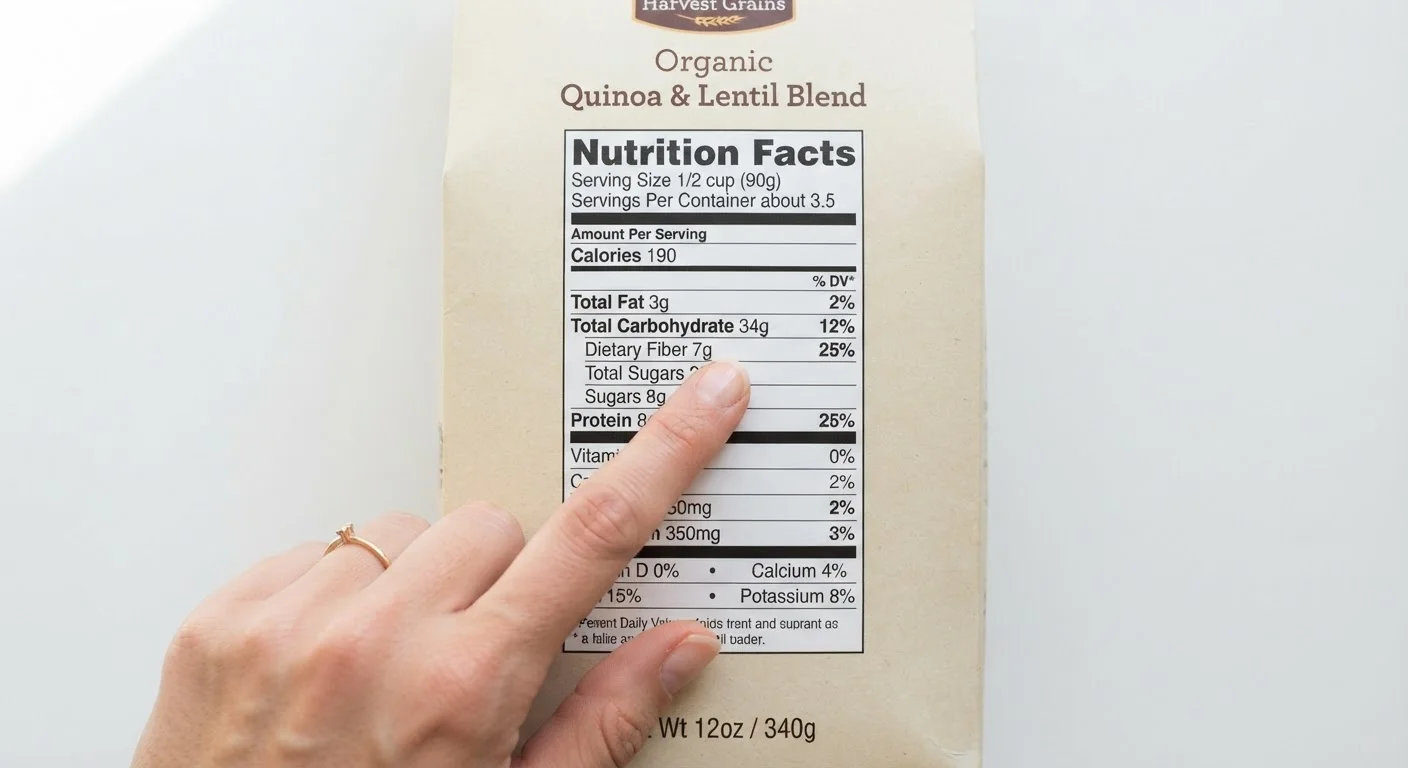
Photo credit: TurboBlogs.net | Explore Blogs At Turbo Speed
In this article
Learn what each section of a U.S. food nutrition label actually tells you—and which numbers deserve the most attention.
Key Takeaways
- Serving size is the foundation of every number on the label - always check it first.
- The % Daily Value column tells you whether a nutrient amount is high or low relative to a 2,000-calorie reference diet.
- Prioritize limiting added sugars, saturated fat, and sodium; prioritize getting enough fiber and key micronutrients.
- Ingredients are listed by weight - the first few items make up the bulk of the food.
- Labels are a comparison tool, not a verdict; context and overall diet patterns matter most.
Why Nutrition Labels Exist - and What They're Actually Designed to Tell You
The Nutrition Facts label is a federally standardized information panel required on most packaged foods sold in the United States, governed by the FDA. Its current format - updated in 2016 - was designed to reflect how Americans actually eat and what modern nutrition science considers most relevant to public health.
The label is not meant to classify a food as "good" or "bad." It's a data panel. Used well, it helps you compare products, understand portion context, and make choices that align with your own health goals. For a broader foundation in how nutrients function in the body, see our guide to macronutrients.
What you will need
Step-by-Step: How to Read Every Section of the Label
Work through the label from top to bottom - each section builds on the one before it. Following this order removes most of the confusion people encounter at the grocery shelf.
Start with Serving Size and Servings Per Container
Every number on the label - calories, fat, sodium, everything - is calculated per serving, not per package. The serving size reflects a standardized reference amount (set by the FDA based on typical consumption patterns), not necessarily a recommended portion.
Check how many servings are in the container. If a bag of crackers lists 140 calories per serving and contains 3.5 servings, eating the whole bag means consuming 490 calories. This single step resolves the most common misreading of nutrition labels.
Read the Calorie Count in Serving Context
Calories measure total energy per serving. The label displays this number prominently because energy balance is central to many health goals. However, calorie count alone tells you nothing about the nutritional quality of a food - a 200-calorie serving of nuts and a 200-calorie serving of a sugary snack are nutritionally very different.
Use calories as one data point, not the primary verdict.
Use the % Daily Value Column as Your Quick Guide
The % Daily Value (%DV) column on the right side of the label tells you what percentage of the recommended daily amount of each nutrient one serving provides, based on a 2,000-calorie reference diet. This is the fastest way to assess whether a nutrient amount is high or low:
- 5% DV or less = low in that nutrient
- 20% DV or more = high in that nutrient
Apply this rule in both directions: you want foods that are low in nutrients to limit (saturated fat, sodium, added sugars) and high in nutrients to prioritize (fiber, vitamin D, calcium, iron, potassium).
Examine the Fat, Sodium, and Sugar Rows
These three rows deserve careful attention because they reflect nutrients most Americans overconsume relative to dietary guidelines.
- Total fat includes saturated fat and trans fat listed as sub-rows. Saturated fat has a %DV; trans fat does not, because there is no safe established daily amount - any amount listed is worth noting.
- Sodium: a single serving of some processed foods can account for 40-50% of the daily reference value.
- Total sugars vs. added sugars: the label now distinguishes between these two. Natural sugars from fruit or dairy are included in total sugars; added sugars are broken out separately with their own %DV.
Check the Ingredients List
The ingredients list sits below the Nutrition Facts panel and follows a strict rule: ingredients are listed in descending order by weight. The first three to five ingredients make up the largest portion of the food.
A product whose first ingredient is whole grain oats is meaningfully different from one whose first ingredient is refined flour or sugar, even if their calorie counts appear similar. The ingredients list also reveals the presence of additives, preservatives, and allergens.
The Nutrients That Deserve the Most Attention
Not every row on the label carries equal weight for everyday decision-making. Research and U.S. dietary guidelines consistently identify a short list of nutrients most Americans should actively monitor.
Limit these:
- Added sugars - distinct from naturally occurring sugars in fruit or dairy, added sugars contribute calories without nutritional benefit. For context on where they hide, see our deep dive on added sugar.
- Saturated fat - associated with cardiovascular risk when consumed in excess; current dietary guidelines recommend keeping it below 10% of total daily calories.
- Sodium - relevant particularly for individuals with hypertension or cardiovascular concerns. The relationship is nuanced; read more about sodium and blood pressure.
Aim to get enough of these:
- Dietary fiber - most Americans fall well short of the recommended daily amount. Learn why it matters in our fiber explainer.
- Key micronutrients - the label is now required to show vitamin D, calcium, iron, and potassium. Our micronutrient quick-reference guide explains what each one does.
A Simple Rule for the % Daily Value
When scanning a label quickly, apply the 5/20 rule: 5% DV or less means a food is low in that nutrient, and 20% DV or more means it's high. Use this threshold to gauge both nutrients you want to limit and those you want to get enough of - no calculation required.
Putting It All Together in a Real Shopping Context
Nutrition labels are most useful as a comparison tool - holding two similar products side by side while keeping serving size constant. A product with lower sodium per serving is only meaningfully better if the serving sizes are equivalent.
Remember that labels describe a single food in isolation. Dietary quality is a pattern, not a transaction. A food that scores well on every label metric can still be part of a poor-quality diet if the rest of your meals are unbalanced. Conversely, a food with moderate sodium or fat can fit comfortably into a nutritious overall pattern.
If you're working on building a more nutritious kitchen overall, our pantry audit guide pairs well with this reading skill. And if budget is a constraint, eating well on a budget shows how good nutrition doesn't require premium-priced foods.
Labels Are a Tool, Not a Health Guarantee
A food that meets every guideline threshold on its label is not automatically healthy for every person. Individual health conditions, medications, and dietary needs all affect what a given food means for your health. If you are managing a chronic condition or have specific dietary restrictions, work with a registered dietitian rather than relying solely on label reading.
This article is for general informational purposes only and is not a substitute for personalized medical or dietary advice. Individuals managing specific health conditions - including cardiovascular disease, diabetes, or kidney disease - should consult a registered dietitian or physician before making significant dietary changes.

Author
Health & Wellness Editorial Team
Health & Wellness Editorial Team is the collective byline for our editorial team and contributor network. Articles published under this byline or an editorial pen name are researched, written, and reviewed according to our editorial standards for clarity, consistency, and independence before publication.
View all articles →