
HVAC Filters, Coils, and Drains: What Homeowners Actually Need to Maintain
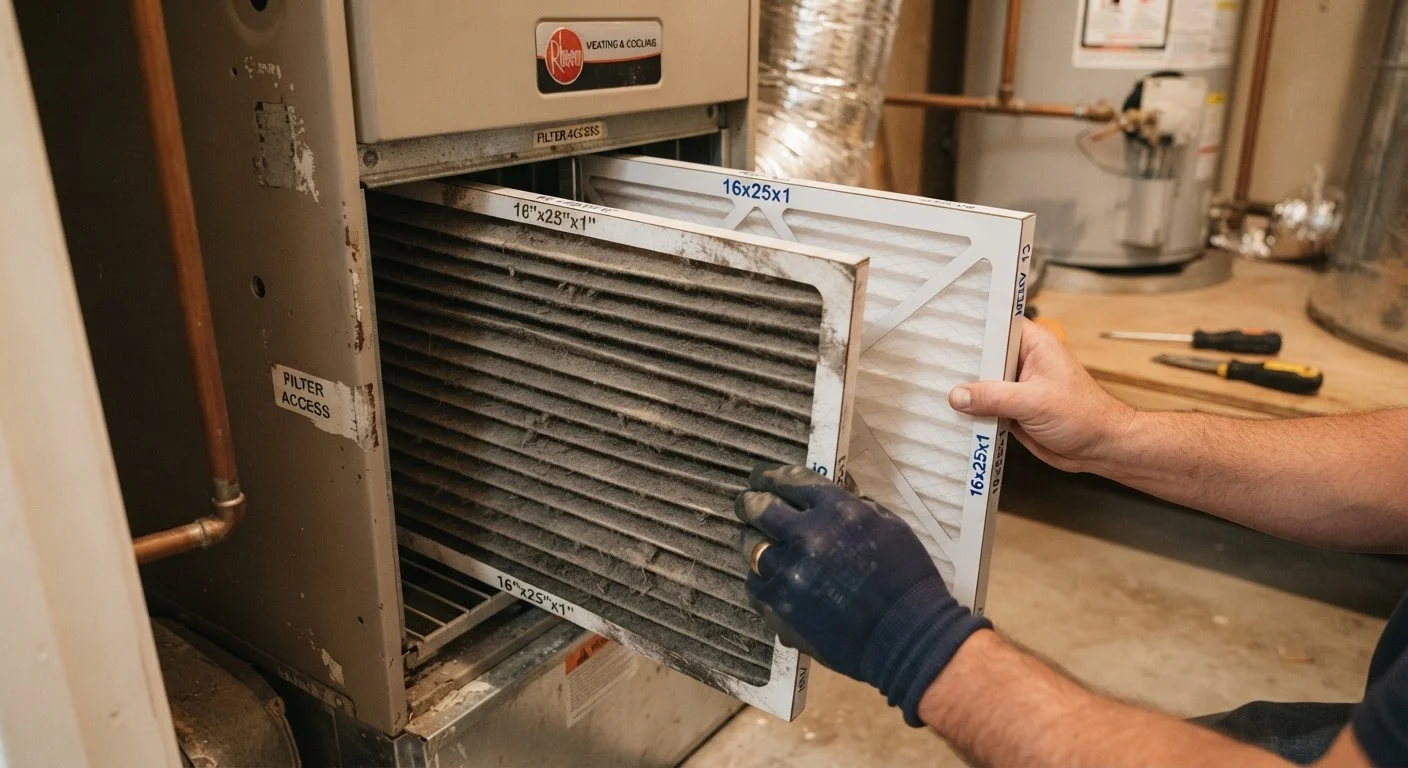
Photo credit: TurboBlogs.net | Explore Blogs At Turbo Speed
In this article
A plain-language breakdown of HVAC maintenance tasks homeowners can handle themselves versus jobs that require a licensed technician.
Why HVAC Maintenance Matters More Than Most Homeowners Realize
Your heating and cooling system is one of the largest energy consumers in your home - and one of the most expensive to replace. A central HVAC system can cost several thousand dollars to install, yet routine maintenance that costs very little in time and money can extend its lifespan by years and prevent the kind of sudden breakdowns that happen at the worst possible moments.
Deferred maintenance tends to compound. A clogged filter forces the blower motor to work harder. A dirty evaporator coil reduces efficiency and strains the compressor. A blocked condensate drain can lead to water damage, mold growth, and system shutdowns. These failures are nearly always preventable.
This guide divides HVAC upkeep into what homeowners can realistically handle themselves and what genuinely requires a licensed HVAC technician - because the distinction matters for both safety and system longevity. For a broader look at how HVAC fits into a full home upkeep plan, see The Anatomy of a Home Maintenance Schedule.
| Recommended filter change frequency | Every 1-3 months for standard 1-inch filters (U.S. Department of Energy guidance) |
| Condensate drain maintenance | Flush with vinegar or diluted bleach every 3-6 months |
| Outdoor unit clearance | At least 2 feet of clearance around all sides |
| Professional tune-up frequency | At least once per year; twice for year-round climates |
| Refrigerant handling | EPA-certified technicians only - legally required (U.S. EPA Section 608 regulations) |
| HVAC system lifespan (average) | 15-25 years with proper maintenance (ASHRAE and industry estimates) |
What Homeowners Can Maintain Themselves
Air Filters
Changing or cleaning the air filter is the single most important DIY task for HVAC health. Filters trap dust, pet dander, pollen, and debris before they enter the system. When a filter becomes clogged, airflow is restricted - reducing efficiency and forcing every downstream component to work harder.
How often: Standard 1-inch fiberglass or pleated filters typically need replacement every 30-90 days depending on household conditions (pets, allergies, and dusty environments push that closer to monthly). Thicker media filters (4-5 inches) may last 6-12 months. Check your filter monthly until you know your home's pattern.
How to do it: Turn the system off. Locate the filter slot - usually at the return air vent or air handler cabinet. Note the arrow printed on the filter frame; it indicates airflow direction and must point toward the blower. Slide in the new filter and restart the system.
Condensate Drain Line
The evaporator coil removes humidity from indoor air as it cools, and that moisture drips into a drain pan before exiting through a condensate drain line (typically a PVC pipe routed to a floor drain or outdoors). Algae and debris can clog this line, causing the pan to overflow.
Homeowner task: Pour a cup of distilled white vinegar or a diluted bleach solution (1 part bleach, 16 parts water) into the drain line access port - usually a capped T-shaped fitting near the air handler - every 3-6 months. This inhibits algae growth without requiring any tools or specialized knowledge.
Outdoor Unit Care
The condenser unit outside needs clear airflow. Homeowners can safely clear grass clippings, leaves, and debris from around the unit, keeping vegetation at least two feet away. Gently rinsing the condenser fins with a garden hose (from the inside out, if the unit design allows access) once a season removes surface debris. Do not use a pressure washer - it can bend the delicate aluminum fins.
Similar DIY-versus-professional thinking applies across home systems. See plumbing tasks homeowners can safely handle for a comparable breakdown of another major home system.
Evaporator coil
The indoor coil in a central air system where refrigerant absorbs heat from indoor air, causing the air to cool. Keeping this coil clean is essential for efficient operation.
Condenser coil
The outdoor coil that releases the heat absorbed by the evaporator coil into the outside air. Debris buildup on condenser fins reduces heat transfer and strains the compressor.
Condensate drain line
A pipe that carries moisture collected by the evaporator coil out of the air handler. Blockages can cause water damage, mold, and automatic system shutdowns via the safety float switch.
MERV rating
Minimum Efficiency Reporting Value - a standard scale from 1 to 16 rating how effectively an air filter captures particles. Higher MERV ratings capture finer particles but can restrict airflow in systems not designed for them.
Refrigerant
The chemical compound that circulates through an HVAC system to transfer heat. Common types include R-22 (now phased out) and R-410A. Handling refrigerant requires EPA certification.
Heat exchanger
In a gas furnace, the component that transfers heat from combustion gases to the circulating air supply without allowing those gases into living spaces. A cracked heat exchanger is a serious safety hazard.
What Requires a Licensed HVAC Technician
Several HVAC tasks look approachable but carry real risk - to the equipment, to your safety, or both. These should be left to a licensed professional.
Evaporator and Condenser Coil Cleaning
While rinsing the outside of the condenser is reasonable homeowner territory, deep coil cleaning - using chemical foaming agents on the evaporator coil inside the air handler, or flushing the condenser coil - is a job for a technician. Improper cleaning can push debris deeper into the coil, damage fins, or introduce moisture into electrical components.
Refrigerant Checks and Recharging
Refrigerant (the substance that actually moves heat in an air conditioning system) is regulated under federal environmental law. Only EPA-certified technicians are legally permitted to handle, recover, or add refrigerant. If your system is underperforming and you suspect a refrigerant issue, schedule a professional inspection - do not attempt any refrigerant-related work yourself.
Electrical Components and Capacitors
Capacitors store electrical charge and can deliver a dangerous shock even when the system is powered off. Inspecting or replacing contactors, capacitors, or wiring inside the air handler or condenser cabinet should always be performed by a qualified technician.
Annual Tune-Ups
An annual professional tune-up - typically scheduled in spring before cooling season or fall before heating season - covers a full inspection of electrical connections, refrigerant pressure, blower operation, heat exchanger integrity (critical for gas furnaces, where cracks can allow carbon monoxide to enter living spaces), and thermostat calibration. This is not optional maintenance; it is the core of responsible HVAC ownership.
Gas Furnaces: Carbon Monoxide Is a Real Risk
If your home has a gas furnace, annual professional inspection of the heat exchanger is especially important. A cracked heat exchanger can allow carbon monoxide - a colorless, odorless gas - to enter your living space. Install carbon monoxide detectors on every floor and near sleeping areas. If your CO detector sounds, leave the home immediately and call emergency services.
This article is for general informational purposes only. Always consult a licensed HVAC professional before performing any maintenance that involves electrical components, refrigerant, or gas systems. Local building codes and manufacturer warranties may impose specific requirements for your system.

Author
Home & Real Estate Editorial Team
Home & Real Estate Editorial Team is the collective byline for our editorial team and contributor network. Articles published under this byline or an editorial pen name are researched, written, and reviewed according to our editorial standards for clarity, consistency, and independence before publication.
View all articles →