
Secondhand Clothing: The Honest Pros and Cons of Thrift Shopping
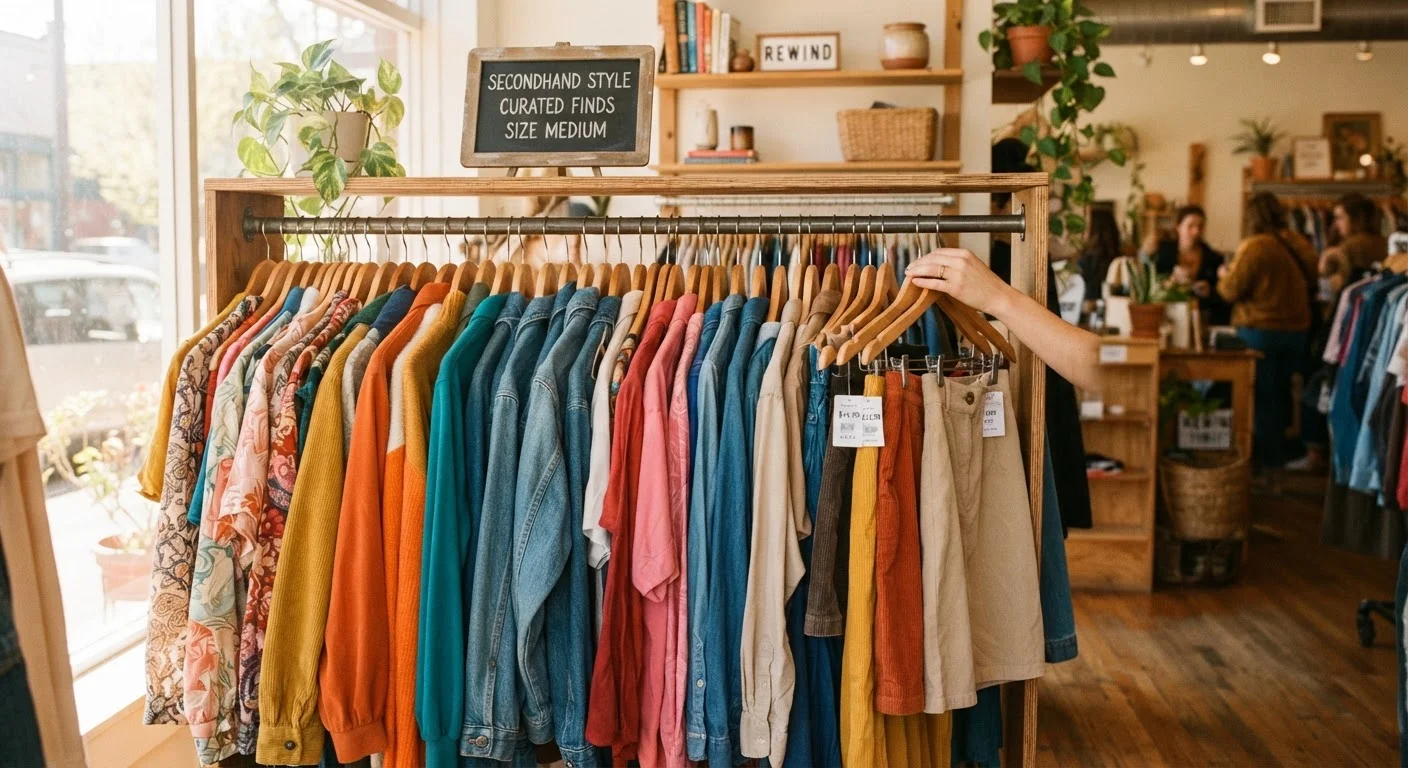
Photo credit: TurboBlogs.net | Explore Blogs At Turbo Speed
In this article
Thinking about building your wardrobe from thrift stores or resale apps? Here's a balanced look at the benefits and real drawbacks.
Key Takeaways
- Thrift shopping can significantly reduce clothing costs compared to buying new at retail prices.
- Inventory is unpredictable - finding the right size, style, or condition takes time and patience.
- Buying secondhand keeps clothing out of landfills and reduces demand for new production.
- Online resale platforms expand selection but add shipping costs and fit uncertainty.
- Thrifting works best as part of a broader, intentional wardrobe strategy.
Significantly lower cost than buying new
Thrift store prices are often a fraction of retail, making it possible to build a varied wardrobe on a limited budget. Gently used items from higher-quality brands are frequently available at prices comparable to low-cost new clothing.
Access to unique and vintage pieces
Secondhand shopping surfaces items that simply aren't available in current retail - older silhouettes, discontinued styles, and one-of-a-kind finds that add personality to a wardrobe without custom pricing.
Reduced environmental footprint
Purchasing a used garment extends its life and delays its path to a landfill. It also reduces demand for new textile production, which is a resource-intensive process involving water, energy, and chemical inputs.
Higher quality items at accessible prices
Well-made clothing from past decades often shows up in thrift stores in excellent condition. Items that were originally expensive and built to last can be found for a few dollars, outlasting cheaper new alternatives.
Low-risk way to experiment with style
At thrift store prices, trying a new aesthetic or silhouette carries much less financial risk. If a style experiment doesn't work out, you haven't committed significant money to it.
Inventory is unpredictable and inconsistent
You cannot reliably find a specific item, size, or color when thrifting. What's available depends entirely on what others have donated or listed, which varies week to week and store to store.
Time investment is substantial
Productive thrift shopping often requires extended browsing through large, disorganized selections. Unlike retail, there's no curated display - finding quality pieces takes patience and repeated visits.
Condition and hygiene concerns
Not all secondhand items are in good shape. Stains, worn fabric, missing buttons, and subtle odors are real possibilities that require careful inspection before purchasing.
Sizing is inconsistent across eras and brands
Vintage and older garments often follow sizing conventions different from today's standards. Labels may not accurately reflect current fit expectations, making it harder to shop without trying items on.
Online resale adds shipping cost and fit risk
Buying secondhand through apps or marketplaces introduces shipping fees that can narrow the savings gap, plus the risk of items that don't fit or look different in person than in photos.
What Thrift Shopping Actually Looks Like Today
Secondhand clothing has evolved well beyond dusty bins and mystery odors. Today it spans physical thrift stores, consignment shops, community swaps, and a growing ecosystem of resale apps and online marketplaces. Whether you're browsing racks on a Saturday morning or scrolling listings on your phone, the core idea is the same: buying clothing that someone else owned first.
That shift has made thrift shopping more accessible - and more mainstream. It's worth understanding both what you gain and what you give up before committing to building a wardrobe this way. For a broader look at how resale fits into the bigger fashion picture, see our comparison of fast fashion vs. slow fashion.
Significantly lower cost than buying new
Thrift store prices are often a fraction of retail, making it possible to build a varied wardrobe on a limited budget. Gently used items from higher-quality brands are frequently available at prices comparable to low-cost new clothing.
Access to unique and vintage pieces
Secondhand shopping surfaces items that simply aren't available in current retail - older silhouettes, discontinued styles, and one-of-a-kind finds that add personality to a wardrobe without custom pricing.
Reduced environmental footprint
Purchasing a used garment extends its life and delays its path to a landfill. It also reduces demand for new textile production, which is a resource-intensive process involving water, energy, and chemical inputs.
Higher quality items at accessible prices
Well-made clothing from past decades often shows up in thrift stores in excellent condition. Items that were originally expensive and built to last can be found for a few dollars, outlasting cheaper new alternatives.
Low-risk way to experiment with style
At thrift store prices, trying a new aesthetic or silhouette carries much less financial risk. If a style experiment doesn't work out, you haven't committed significant money to it.
The Real Drawbacks Worth Knowing
No shopping method is without trade-offs, and secondhand clothing is no exception. Before you donate your entire retail budget to the thrift cause, it's worth being honest about the friction points.
Inventory is unpredictable and inconsistent
You cannot reliably find a specific item, size, or color when thrifting. What's available depends entirely on what others have donated or listed, which varies week to week and store to store.
Time investment is substantial
Productive thrift shopping often requires extended browsing through large, disorganized selections. Unlike retail, there's no curated display - finding quality pieces takes patience and repeated visits.
Condition and hygiene concerns
Not all secondhand items are in good shape. Stains, worn fabric, missing buttons, and subtle odors are real possibilities that require careful inspection before purchasing.
Sizing is inconsistent across eras and brands
Vintage and older garments often follow sizing conventions different from today's standards. Labels may not accurately reflect current fit expectations, making it harder to shop without trying items on.
Online resale adds shipping cost and fit risk
Buying secondhand through apps or marketplaces introduces shipping fees that can narrow the savings gap, plus the risk of items that don't fit or look different in person than in photos.
Online vs. In-Store Thrifting: Different Trade-Offs
Physical thrift stores let you inspect items directly and try them on, but selection depends on your local area. Resale apps and online marketplaces offer far wider inventory but remove the ability to assess condition firsthand. Many experienced thrifters use both channels for different purposes - in-store for everyday basics and online for specific sought-after items. Either way, understanding the platform's return policy before purchasing is worth the few minutes it takes.
How Thrifting Fits Into a Smarter Shopping Habit
Thrift shopping rewards preparation. Knowing your measurements, having a clear sense of what your wardrobe actually needs, and setting a loose budget before you go will consistently lead to better results than browsing without direction. Our closet audit guide walks through exactly how to evaluate what you already own before spending a dollar anywhere.
~$218B
Projected U.S. secondhand market value by 2026
According to research published by thredUP in their annual Resale Report, the U.S. secondhand apparel market has grown consistently year over year.
70%
Consumers open to buying secondhand clothing
A thredUP survey found a significant majority of U.S. consumers are willing to consider secondhand clothing as part of their wardrobe.
If cost-consciousness is a broader goal, secondhand clothing pairs naturally with other budget-aware habits. See how thrifting can complement a wider financial strategy in our piece on the trade-offs of strict budgeting. And if you're curious about what actually happens to the clothes you donate or resell, this breakdown of clothing resale and donation may surprise you.

Author
Lifestyle & Shopping Editorial Team
Lifestyle & Shopping Editorial Team is the collective byline for our editorial team and contributor network. Articles published under this byline or an editorial pen name are researched, written, and reviewed according to our editorial standards for clarity, consistency, and independence before publication.
View all articles →