
Fast Fashion vs. Slow Fashion: Understanding the Trade-Offs
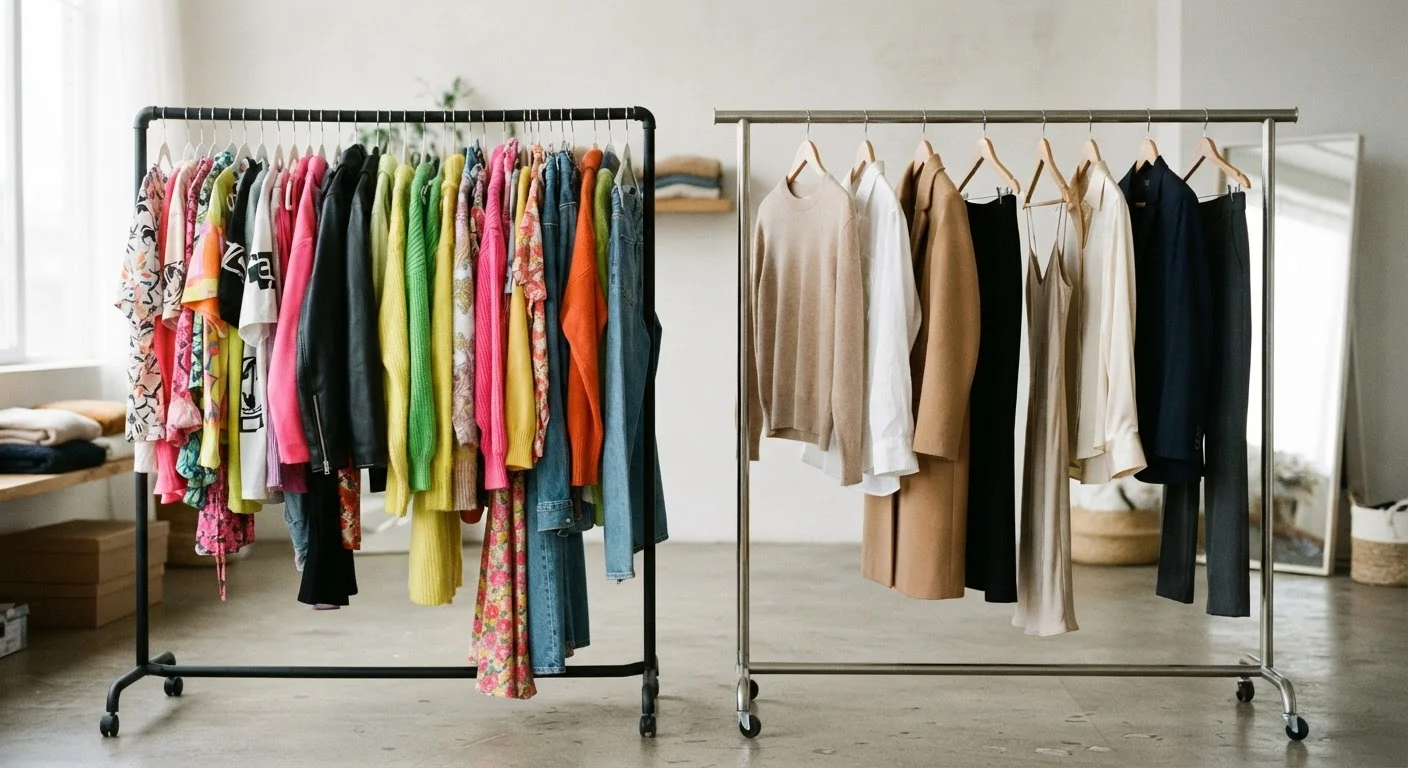
Photo credit: TurboBlogs.net | Explore Blogs At Turbo Speed
In this article
A side-by-side look at fast fashion and slow fashion—covering cost, quality, environmental impact, and what each approach means for your wardrobe.
Key Takeaways
- Fast fashion offers low upfront costs but often leads to higher long-term spending due to frequent replacement.
- Slow fashion garments typically use higher-quality materials and construction, extending their usable lifespan significantly.
- The environmental footprint of fast fashion-water use, textile waste, and emissions-is substantially larger per garment cycle.
- Neither approach is right for every budget; a blended strategy often serves everyday Americans best.
- Understanding fabric quality and construction helps you evaluate clothing regardless of which approach you lean toward.
What Each Approach Actually Means
Fast fashion refers to a high-volume production model that rapidly translates runway and social-media trends into mass-market clothing at low price points. Collections refresh frequently-sometimes weekly-keeping shelves stocked with what's current. The trade-off is that speed and price typically come at the cost of material quality and production conditions.
Slow fashion is a counter-philosophy that emphasizes deliberate purchasing, durable construction, ethical production practices, and a smaller but more versatile wardrobe. It draws on the idea that buying fewer, better-made items ultimately costs less-and wastes less-over time.
Neither term describes a single brand or price tag. Slow fashion can include items from independent makers, heritage workwear labels, or even the secondhand market. Understanding the distinction helps you shop with intention rather than just reacting to what's in front of you.
| Criterion | Fast Fashion | Slow Fashion |
|---|---|---|
| Upfront cost | Low to very low | Moderate to high |
| Long-term cost | Often higher (frequent replacement) | Often lower (longer garment life) |
| Typical fabric quality | Economy synthetic blends | Higher-grade natural or synthetic fibers |
| Average garment lifespan | Months to 1-2 years | 3-10+ years with care |
| Environmental footprint | Higher (volume, waste, dyes) | Lower per garment cycle |
| Trend responsiveness | Very high - new styles weekly | Low - emphasizes classics |
| Accessibility | Widely available, all regions | Variable; less accessible in some areas |
Cost: Upfront Price vs. Cost Per Wear
Fast fashion's appeal is obvious: a trendy top for $12 is hard to argue with when you're working within a tight budget. But cost-per-wear math tells a more nuanced story. If that $12 top survives six washes before fading or losing its shape, it cost roughly $2 per wear. A $60 slow fashion equivalent that holds up for three years of regular rotation might cost far less per wear over its lifetime.
That said, a $60 item is simply out of reach for many households-and no cost-per-wear calculation changes that immediate reality. If you're navigating those constraints, our overview of budgeting trade-offs explores how to weigh competing financial priorities honestly.
A practical middle path: use fast fashion for items with short functional lives (trendy accessories, seasonal novelties) and prioritize quality for wardrobe workhorses-jeans, outerwear, footwear. Our guide to building a versatile wardrobe on a tight budget walks through exactly that kind of prioritization.
~$500
Average American annual clothing spend
The U.S. Bureau of Labor Statistics Consumer Expenditure Survey estimates average household apparel spending in the range of $1,700-$1,900 per year for a family, roughly $500 per person.
~60%
Decline in garment use over 15 years
Research from the Ellen MacArthur Foundation indicates the average number of times a garment is worn before disposal declined roughly 60% globally between 2000 and 2015.
11M+
Tons of textile waste annually in the U.S.
The U.S. Environmental Protection Agency has estimated that Americans discard more than 11 million tons of textile waste per year, the majority going to landfill.
Quality, Fabric, and How Long Clothes Actually Last
Garment quality comes down to two things: materials and construction. Fast fashion often relies on synthetic blends-polyester, acrylic, rayon-that are inexpensive to produce but can pill, stretch out, or fade relatively quickly. Slow fashion pieces more commonly use natural fibers or higher-grade synthetics with tighter weaves and reinforced seams.
Understanding what you're buying helps regardless of price point. Learning to check fabric content labels, examine stitching, and assess seam allowances gives you better radar for quality-even within fast fashion racks. Our comparison of natural vs. synthetic fabrics breaks down what each material actually delivers in comfort, durability, and care.
Fit also plays a bigger role in longevity than most people realize. A well-fitting garment gets worn more often and stresses seams less. If an otherwise solid piece doesn't fit quite right, tailoring adjustments can dramatically extend its useful life.
Environmental and Ethical Considerations
The environmental footprint of the global fashion industry is significant and well-documented by researchers and regulatory agencies. Fast fashion's model-high volume, low cost, rapid turnover-is resource-intensive. Textile production consumes large amounts of water, synthetic fibers shed microplastics through washing, and discarded garments represent a substantial share of landfill waste in the U.S.
Slow fashion doesn't eliminate environmental impact, but it reduces the frequency of that impact per garment. Buying less, wearing items longer, and choosing materials with lower production footprints are meaningful levers-even if no single consumer decision solves an industry-scale problem.
What happens to clothes when you move them out of your wardrobe is also part of this picture. Donation doesn't always mean reuse in the way most people assume. Our article on what happens to donated and recycled clothing covers the realistic downstream outcomes. Similarly, avoiding the cycle of seasonal over-purchasing-detailed in our look at seasonal wardrobe spending habits-can reduce both waste and unnecessary spending.
Secondhand as a Third Path
Thrift stores, resale apps, and clothing swaps offer a middle ground that neither fast nor slow fashion fully captures. Buying secondhand extends a garment's life without the high upfront cost of slow fashion new retail. It's not a perfect solution-quality varies and sizing can be inconsistent-but it's worth factoring into your overall wardrobe strategy. See our balanced breakdown of the pros and cons of thrift shopping for a realistic view.

Author
Lifestyle & Shopping Editorial Team
Lifestyle & Shopping Editorial Team is the collective byline for our editorial team and contributor network. Articles published under this byline or an editorial pen name are researched, written, and reviewed according to our editorial standards for clarity, consistency, and independence before publication.
View all articles →