
The Capsule Wardrobe Explained: What It Is and Why It Works
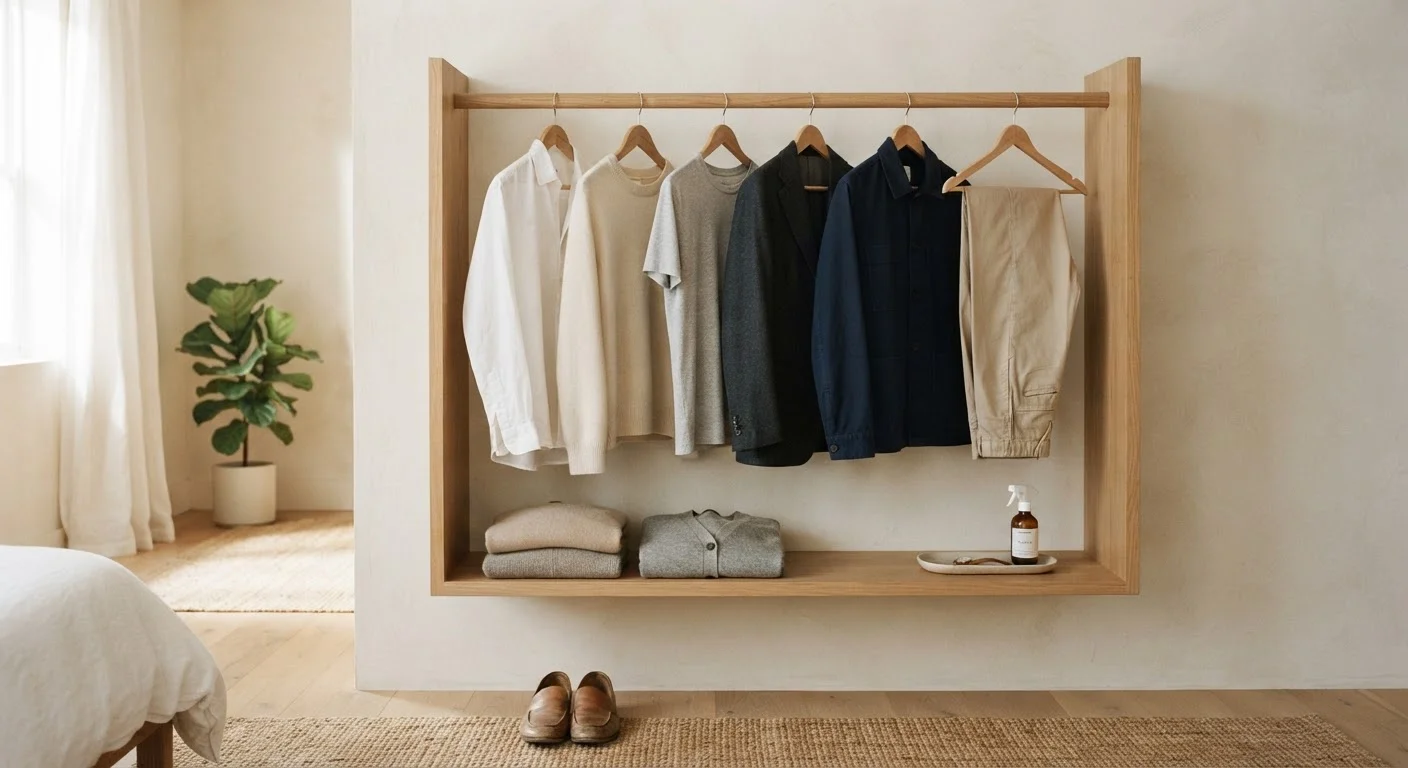
Photo credit: TurboBlogs.net | Explore Blogs At Turbo Speed
In this article
Learn what a capsule wardrobe is, where the concept came from, and why a smaller, intentional closet can simplify daily dressing.
Key Takeaways
- A capsule wardrobe contains a small, coordinated set of versatile pieces you wear regularly.
- The concept was developed in the 1970s as an antidote to closet clutter and impulse buying.
- Fewer, well-chosen clothes can reduce daily decision fatigue and save money over time.
- A capsule wardrobe is personal - there's no single required item count or style formula.
- Building one starts with honestly evaluating what you already own before buying anything new.
Where the Idea Came From
The capsule wardrobe concept has surprisingly deep roots. Susie Faux, a London boutique owner, introduced the term in the 1970s to describe a small collection of timeless, high-quality clothes that could form the backbone of any outfit. The idea crossed the Atlantic when designer Donna Karan launched her influential "Seven Easy Pieces" collection in 1985 - a coordinated set of workwear basics that could carry a professional woman through a full week of varied commitments.
Since then, the idea has evolved well beyond its original upscale context. Today, people across all income levels and style preferences apply capsule thinking to their closets. It's less about any specific aesthetic and more about the underlying logic: own less, but use what you own far more.
“A capsule wardrobe is not about restriction - it's about editing so that what remains genuinely reflects how you live and who you are.”
— Susie Faux, London boutique owner and originator of the capsule wardrobe concept
How a Capsule Wardrobe Actually Works
The mechanics are simpler than they sound. You select a set of clothes - usually somewhere between 25 and 50 items - that all play well together. Neutral base colors (think navy, white, gray, camel) make mixing and matching easier, though color enthusiasts absolutely make capsules work with bolder palettes. The key is that almost every top can go with almost every bottom, every layer works over most outfits, and you rarely stand in front of your closet feeling like you have nothing to wear.
Understanding how color coordination works is a genuine help here - it removes a lot of the guesswork about whether pieces will pair well before you commit to them. Similarly, knowing your wardrobe essentials gives you a starting checklist of the foundational pieces most people find genuinely useful.
80%
Clothes worn only 20% of the time
A widely cited principle in wardrobe studies suggests most people regularly wear only about 20% of the clothes they own - the rest sit unused.
$1,700+
Average annual American clothing spend
The U.S. Bureau of Labor Statistics has reported American households spending over $1,700 per year on apparel and related services on average.
33 items
Common capsule wardrobe target size
Many capsule wardrobe frameworks suggest around 33 items per season as a practical starting benchmark, though this varies by personal preference.
Why It Works: The Real Benefits
The most immediate benefit most people notice is reduced decision fatigue. When every item in your closet coordinates and earns its place, getting dressed in the morning becomes almost effortless. Research in behavioral psychology consistently shows that reducing low-stakes decisions frees up mental energy for more meaningful choices - and your morning outfit is a prime candidate for simplification.
The financial case is equally compelling. A closet packed with impulse purchases and rarely-worn pieces is quietly expensive. The hidden costs of seasonal wardrobe churn add up faster than most people realize. A capsule approach pushes back against that pattern by encouraging intentional buying over reactive buying.
Start With What You Already Own
Before buying a single new item, spend an hour pulling everything out of your closet and assessing what you actually wear. Most people already own several capsule-worthy pieces - they're just buried under things that don't fit, don't coordinate, or haven't been touched in years. Knowing what you have is the foundation of any intentional wardrobe.
There's also an environmental angle worth acknowledging: buying fewer, more durable pieces generally reduces the waste associated with fast fashion. That's a side benefit rather than the primary goal for most people, but it's a meaningful one.
Getting Started Without Starting Over
One of the best things about the capsule wardrobe concept is that you don't need to throw everything out and start fresh. A closet audit is the right first move - honestly evaluating what you already own, what fits, what you actually wear, and what's just taking up space. You may discover your capsule is already half-built.
Once you know what you have, identifying gaps becomes much clearer. From there, building a versatile wardrobe on a budget is a practical next step - one that doesn't require a big spending spree to be effective. The capsule wardrobe is ultimately a framework, not a rigid prescription. Adapt it to your life, your body, your climate, and your budget - and it genuinely works.
Frequently Asked Questions

Author
Lifestyle & Shopping Editorial Team
Lifestyle & Shopping Editorial Team is the collective byline for our editorial team and contributor network. Articles published under this byline or an editorial pen name are researched, written, and reviewed according to our editorial standards for clarity, consistency, and independence before publication.
View all articles →