
Signs Your Pet May Be in Pain and What to Do Next
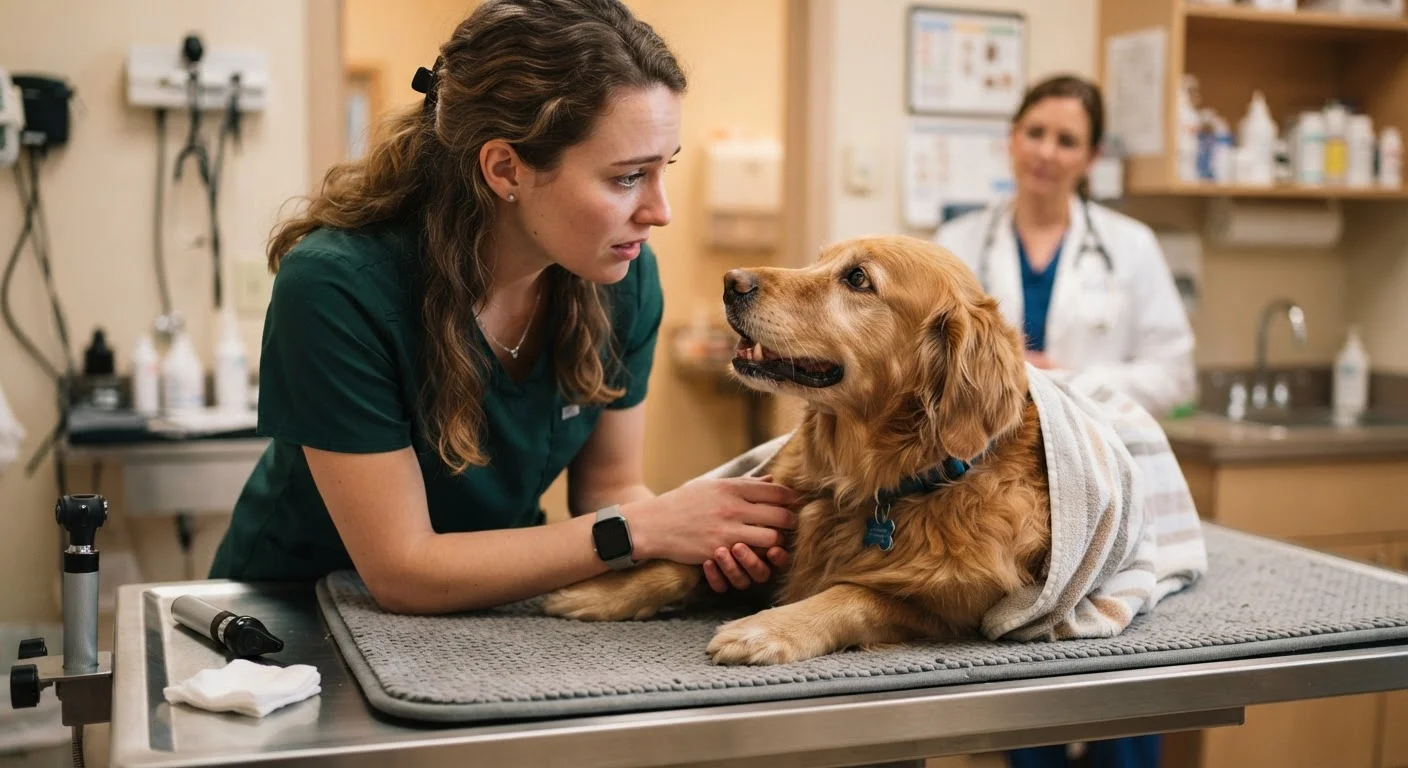
Photo credit: TurboBlogs.net | Explore Blogs At Turbo Speed
In this article
Animals often mask discomfort. Learn the behavioral and physical cues that may indicate pain, and when to contact a veterinarian promptly.
Key Takeaways
- Animals instinctively hide pain, so subtle behavioral shifts are often the earliest clues.
- Changes in appetite, movement, grooming, or social behavior can all signal discomfort.
- Some pain signs require same-day or emergency veterinary attention - learn which ones.
- Regular at-home observation is one of the most powerful tools a pet owner has.
- Senior pets may show pain differently; age-related changes deserve extra attention.
Why Pets Mask Pain - and Why That Makes Your Observation Critical
Dogs and cats evolved alongside prey animals and predators alike. Showing vulnerability was dangerous, so masking discomfort became a survival instinct. The result: your pet may be in significant pain and still greet you at the door, eat their breakfast, and wag their tail. By the time pain becomes obvious, it is often well advanced.
That's why building a habit of intentional observation matters so much. You know your pet's baseline - their usual energy, posture, appetite, and social style. Shifts away from that baseline are your most reliable signal that something is off. This checklist is designed to help you conduct a systematic at-home scan of your pet's behavior and physical state so you can catch problems earlier and make more informed decisions about when to call your vet.
If you're newer to pet ownership, our guide on what to expect before bringing a pet home covers how to set behavioral baselines from day one - an invaluable habit that pays off exactly in situations like this.
Behavioral Changes to Watch For
Physical and Movement Signs
Appetite, Grooming, and Self-Care Signals
Preparing to Contact Your Veterinarian
Tools That Support Your At-Home Assessment
You don't need a medical degree to observe your pet carefully - but a few simple tools make the process more reliable and help you give your veterinarian better information when you call.
Pet Health Journal or App
Track behavioral and physical changes over time so you can provide your vet with an accurate timeline of symptoms.
Smartphone with Video Camera
Record movement abnormalities or unusual behaviors to show your veterinarian, since symptoms may not appear during an office visit.
Pet-Safe Thermometer
Measure your pet's temperature at home if illness is suspected; normal ranges differ by species, so confirm with your vet what's typical for your animal.
Reliable Postal Scale or Pet Scale
Track weight changes week to week - unexplained weight loss can be an early sign of pain or underlying illness.
When to Act - and How Urgently
Not every sign of pain requires a panicked midnight drive to an emergency clinic, but some absolutely do. Understanding the difference helps you respond proportionately rather than either dismissing real warning signs or catastrophizing minor ones.
Go to Emergency Care Immediately If You See These Signs
If your pet collapses, cannot breathe normally, is bleeding heavily, experiences a seizure, or shows signs of extreme distress such as crying out continuously, do not wait for a regular vet appointment. These are potential emergencies requiring immediate professional evaluation. Keep the number of your nearest 24-hour emergency veterinary clinic saved in your phone before you ever need it.
For signs that are new but mild - a subtle limp, slightly reduced appetite, or less playfulness - scheduling a same-day or next-day vet appointment is the right move. Document what you've observed: when it started, what makes it better or worse, and any recent changes in the pet's routine or environment.
For older animals, the threshold for calling your vet should be lower. Pain in senior pets is often linked to progressive conditions like arthritis or organ disease that respond better to early intervention. Our article on how senior pets' needs shift with age explains what physical and behavioral changes are common - and which ones warrant prompt attention.
It's also worth noting that sudden behavioral changes often have a medical root. If your dog has recently become withdrawn, snappy, or reluctant to move, our piece on why a dog's behavior suddenly changes walks through how to interpret those shifts and when to act.
Never Give Human Pain Medications to Pets
Common over-the-counter pain relievers such as ibuprofen, acetaminophen, and aspirin are toxic to dogs and cats and can cause serious organ damage or death. Do not administer any medication - including supplements - to your pet without explicit guidance from a licensed veterinarian. Even medications prescribed for one pet should never be given to another without veterinary direction.
Don't Dismiss Subtle Signs in Senior Pets
Older animals often tolerate chronic pain quietly, and owners may attribute behavioral changes to normal aging. Reduced activity, reluctance to climb, or shifts in social behavior in a senior pet deserve a veterinary conversation rather than a wait-and-see approach. Early intervention for conditions like arthritis can meaningfully improve quality of life.
This article is for general informational and educational purposes only. It is not a substitute for professional veterinary advice, diagnosis, or treatment. If you believe your pet is in pain or distress, contact a licensed veterinarian promptly.

Author
Lifestyle & Shopping Editorial Team
Lifestyle & Shopping Editorial Team is the collective byline for our editorial team and contributor network. Articles published under this byline or an editorial pen name are researched, written, and reviewed according to our editorial standards for clarity, consistency, and independence before publication.
View all articles →