
Why Your Dog's Behavior Suddenly Changed-and When It Warrants a Vet Call
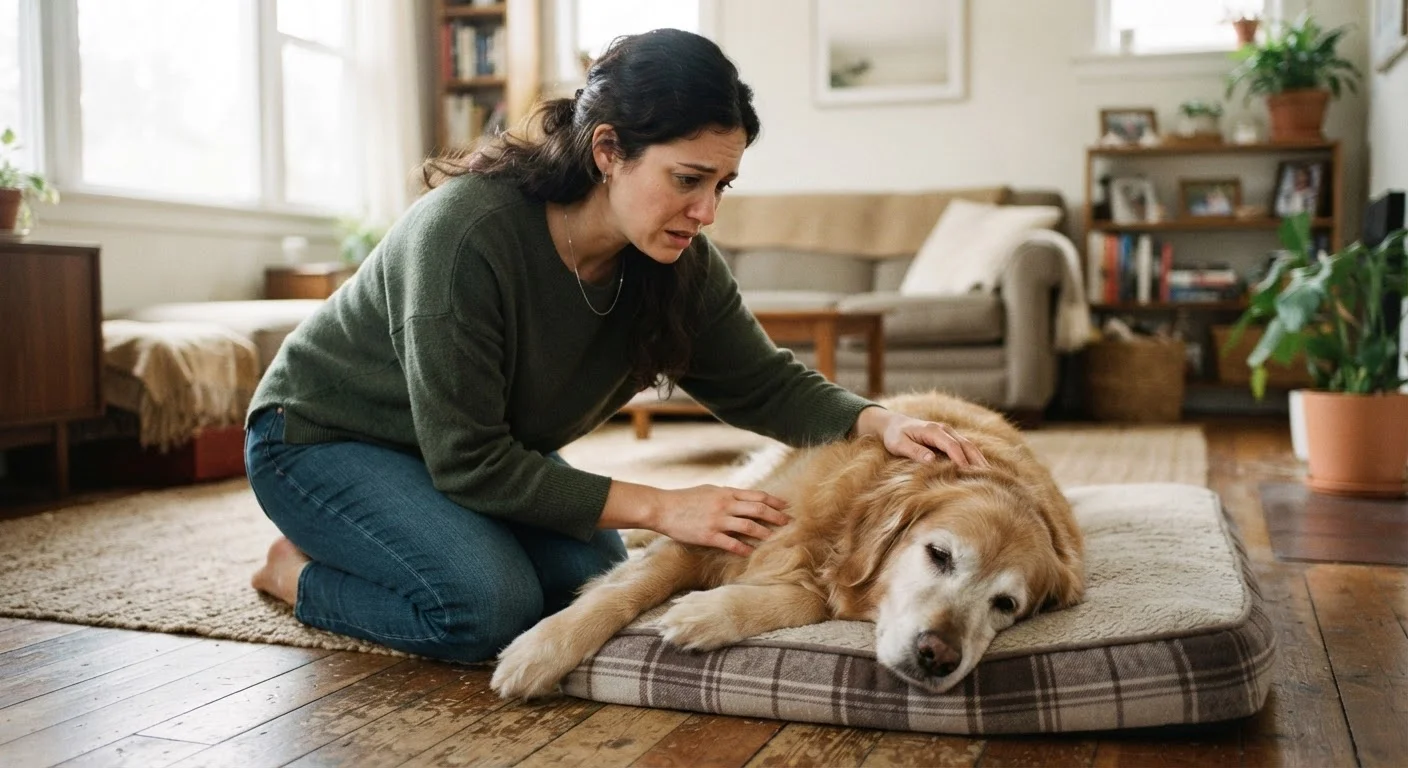
Photo credit: TurboBlogs.net | Explore Blogs At Turbo Speed
In this article
Sudden shifts in appetite, energy, or temperament can signal medical or behavioral issues. Here's how to tell the difference and what to do.
Key Takeaways
- Sudden behavioral changes in dogs often have underlying medical causes that aren't immediately visible.
- Dismissing changes as 'just aging' or 'a phase' can delay treatment for serious conditions.
- Tracking when changes started, their frequency, and any accompanying symptoms helps your vet significantly.
- Some behavioral shifts - like aggression, sudden house-soiling, or extreme lethargy - warrant same-day vet contact.
- Not every behavior change is a crisis, but all deserve observation and a professional opinion when in doubt.
When 'Something Seems Off' Is More Than a Hunch
Dog owners are often the first to notice when something isn't right - before any visible symptom appears. A dog who suddenly stops greeting you at the door, refuses a favorite treat, or snaps without warning is sending a signal worth taking seriously. The challenge is knowing which signals point to a medical issue, which stem from environmental stress, and which fall within normal variation.
Behavioral changes in dogs can trace back to pain, neurological shifts, hormonal changes, anxiety, or external disruptions like a household move or a new pet. Because dogs can't tell us what's wrong, their behavior is often the first - and sometimes only - indicator that something has changed internally. As the guide to recognizing pet pain explains, animals are skilled at masking discomfort, which makes behavioral clues even more important to track.
~10%
Dogs showing behavior changes linked to pain
Veterinary behavioral assessments consistently find that pain is among the most underrecognized causes of sudden behavioral shifts in dogs of all ages.
1 in 3
Dogs affected by anxiety-related conditions
Research published in veterinary behavioral journals estimates that anxiety disorders affect a significant proportion of the domestic dog population, often manifesting as behavioral changes owners misread.
The most important thing you can do is resist the urge to explain away changes that feel significant. Trust your instincts, observe carefully, and know the common mistakes pet owners make when navigating this territory.
Common Mistakes Pet Owners Make - and How to Avoid Them
Attributing sudden changes to 'just getting older' without a veterinary check.
Why it happens: Age-related slowdown is real, so owners often assume lethargy, reduced appetite, or stiffness are inevitable rather than treatable symptoms.
Waiting weeks to act on behavioral changes that appeared suddenly.
Why it happens: Many owners hope the behavior will resolve itself, or worry about overreacting to something minor.
Assuming behavior changes are purely psychological without ruling out physical causes first.
Why it happens: It's tempting to frame changes like aggression or clinginess as anxiety or a training gap, especially if there's been a recent household change.
Punishing new or unusual behavior without understanding its cause.
Why it happens: House-soiling, destructive chewing, or sudden reactivity can frustrate owners who interpret it as deliberate disobedience.
Overlooking subtle early signs and only acting when behavior becomes dramatic.
Why it happens: Small changes - slightly reduced enthusiasm, drinking a bit more water, sleeping a little longer - are easy to rationalize away individually.
Rule Out Medical Causes Before Behavioral Ones
Behavioral interventions - training adjustments, environmental changes, anxiety management - are only appropriate after a veterinarian has cleared your dog of underlying physical conditions. Starting with behavioral fixes when a medical issue is present can delay necessary treatment and may worsen your dog's condition. Always begin with a veterinary evaluation when the change is sudden or unexplained.
Creating a Clear Picture for Your Veterinarian
Even when you know a vet visit is warranted, the quality of information you bring to that appointment matters enormously. Vets work faster and more accurately when owners can describe the change in specific terms: when it started, how often it occurs, what seems to trigger or relieve it, and what else has changed in the dog's routine or environment.
A simple written log - even a few lines on your phone - noting the date, behavior observed, duration, and context can save time and prevent misdiagnosis. Note any changes in eating, drinking, urination, defecation, sleep patterns, or interaction with family members. This detail is especially valuable for senior dogs, whose needs and baselines shift with age.
Signs That Warrant Immediate Veterinary Contact
Sudden aggression in a previously gentle dog, complete refusal to eat or drink for more than 24 hours, inability to walk or stand, disorientation, or seizure-like episodes are all emergencies - not things to monitor at home. If your dog shows any of these signs, contact your vet or an emergency animal hospital right away. Do not wait to see if the dog 'improves overnight.'
Routine preventive care also plays a role here. Dogs seen regularly by a vet have an established baseline on record, which makes detecting true changes much easier. If your dog hasn't had a recent checkup, annual visits are more valuable than many owners realize.
This article is for general informational purposes only and does not constitute veterinary advice. Always consult a licensed veterinarian for concerns about your pet's health or behavior.

Author
Lifestyle & Shopping Editorial Team
Lifestyle & Shopping Editorial Team is the collective byline for our editorial team and contributor network. Articles published under this byline or an editorial pen name are researched, written, and reviewed according to our editorial standards for clarity, consistency, and independence before publication.
View all articles →