
Socializing a Puppy: The Window That Shapes a Dog's Entire Temperament
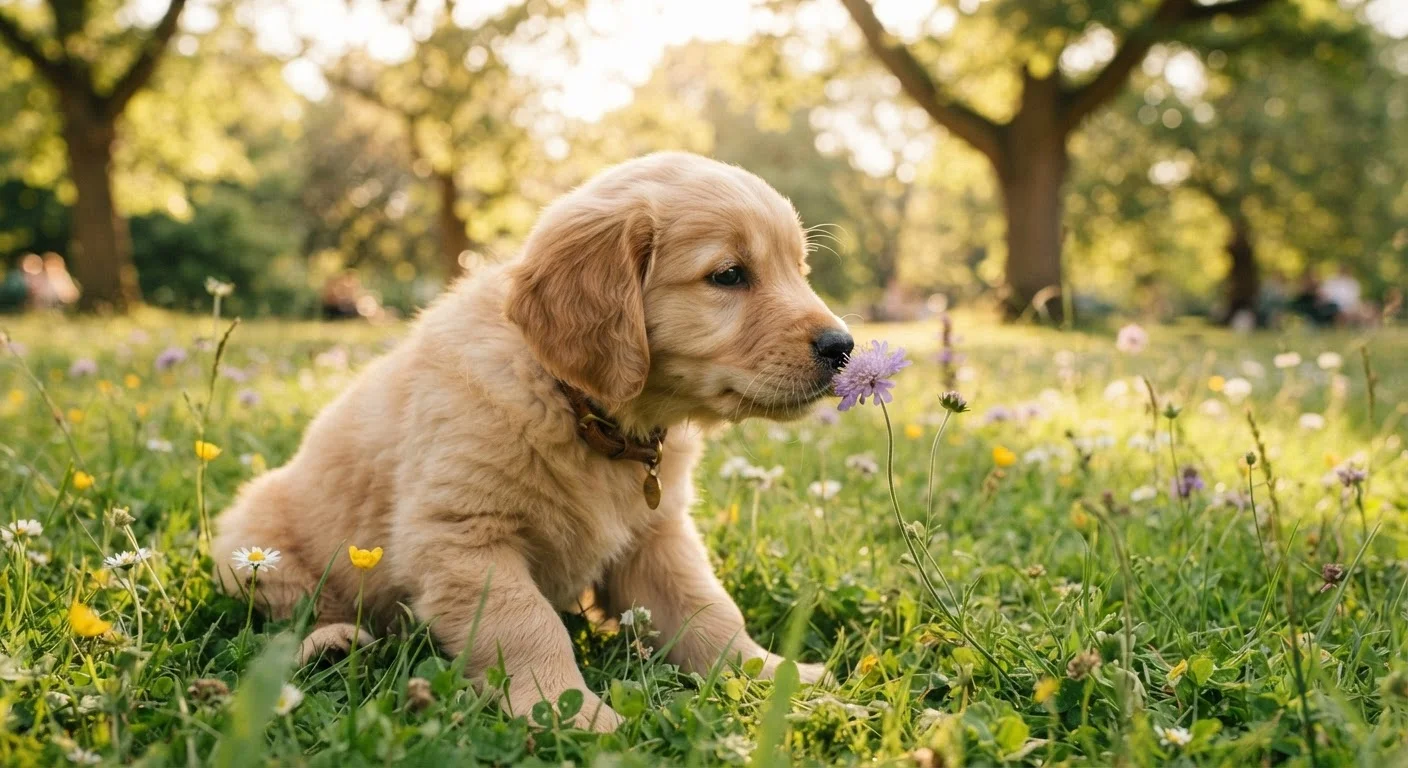
Photo credit: TurboBlogs.net | Explore Blogs At Turbo Speed
In this article
Early socialization has a lasting impact on how dogs handle new people, animals, and environments. Here's what the developmental window involves.
Key Takeaways
- The primary socialization window for puppies is roughly between 3 and 14 weeks of age.
- Positive, low-stress exposures during this period help dogs build lasting confidence with people, animals, and environments.
- Missing the window doesn't doom a dog, but early experiences are significantly harder to reverse than to build correctly.
- Vaccination status matters - consult your veterinarian about safe socialization timing before exposing puppies to unknown dogs.
- Quality of exposure matters more than quantity - overwhelming a puppy can backfire and create fear rather than resilience.
Why the Socialization Window Is So Significant
Puppy socialization isn't just about making your dog friendly at the dog park. It's about giving a developing brain the raw material it needs to categorize the world as safe until proven otherwise rather than threatening until proven otherwise. That distinction - baked in during the sensitive period - influences how a dog responds to strangers, loud noises, unfamiliar animals, and stressful situations for the rest of its life.
Research in canine development consistently shows that dogs with rich, positive early socialization tend to be more adaptable, less reactive, and easier to train as adults. Conversely, puppies raised in highly restricted environments - limited human contact, few sounds, little variety - are statistically more likely to develop anxiety-based behaviors. This isn't about blame; it's about understanding the biology so owners can work with it.
If you're still deciding whether and how to bring a dog into your home, our overview of what adopting versus buying a pet actually involves covers how early life history can differ significantly between puppies from shelters, rescues, and breeders - and why that matters for socialization planning.
Balance Socialization With Vaccination Safety
Puppies are not fully vaccinated until around 16 weeks, which creates a genuine tension between immune vulnerability and the socialization window. Speak with your veterinarian before exposing your puppy to unknown dogs or high-traffic public spaces. Many vets recommend puppy classes and controlled playdates with vaccinated dogs as a reasonable middle ground during this period.
How to Socialize Your Puppy: Step-by-Step
What you will need
Understand the socialization window and why timing matters
Between approximately 3 and 14 weeks of age, a puppy's brain is uniquely primed to absorb new experiences without defaulting to fear. This period - often called the sensitive socialization window - is when neural pathways for trust, curiosity, and adaptability are being laid down. Exposures made during this time have an outsized, lasting influence on temperament compared to exposures made later in life.
After roughly 14 weeks, the brain begins producing more caution-based responses to novelty. That doesn't mean older puppies can't be socialized - they absolutely can - but it takes more patience and repetition. Getting started early, even imperfectly, is almost always better than waiting for the "perfect" moment.
Talk to your veterinarian before starting outdoor socialization
Before you head to the dog park or a busy sidewalk, check in with your vet. Puppies receive a series of vaccinations typically starting around 6-8 weeks and finishing near 16 weeks, and their immunity is still developing throughout. Your vet can advise which environments carry the most risk (standing water, high dog traffic) and which are generally safer (the homes of vaccinated dogs, puppy classes with health requirements).
This conversation also helps you avoid the false choice of "socialization vs. safety." With good guidance, you can do both.
Create a varied but controlled exposure plan
Think in categories: people (different ages, appearances, hats, uniforms), animals (vaccinated dogs, cats if applicable), environments (stairs, tile floors, gravel, cars), and sounds (traffic, vacuums, children playing). Aim for variety over the course of several weeks, introducing one or two new things per session rather than a dozen at once.
A simple written checklist is a practical tool here. Tracking what your puppy has encountered - and how they responded - helps you spot gaps and avoid accidentally skipping whole categories of experience.
[tool_cards]Use positive reinforcement consistently during exposures
The goal isn't simply to expose the puppy to new things - it's to ensure those experiences land as neutral to positive. For each new encounter, offer calm praise and a small treat the moment the puppy investigates with curiosity rather than shrinking back. You're not rewarding the object; you're rewarding the emotional response of approach and exploration.
If the puppy refuses to engage or shows stress signals, don't push it. Simply increase the distance from the stimulus, let the puppy settle, and try again more gradually. Forcing contact typically entrenches fear rather than resolving it.
[tip_callout]Enroll in a structured puppy class
A well-run puppy class (often called "puppy kindergarten") offers structured socialization with other young dogs in a supervised setting where trainers can guide interactions and catch problems early. Look for classes run by trainers with recognized credentials - such as those certified through professional organizations like the Certification Council for Professional Dog Trainers (CCPDT) - and that require proof of vaccination for all attending dogs.
Beyond socialization, these classes introduce basic cues and help owners learn to read their puppy's body language, which is a skill that pays dividends for the dog's entire life. If you're still in the early stages of pet ownership, our guide to what new pet owners should expect covers the broader landscape of getting started.
Continue low-level socialization past the primary window
Once the critical window closes, socialization doesn't stop - it shifts. Adolescent and adult dogs still benefit from regular, varied, positive experiences in the world. Dogs that are well-socialized as puppies but then kept in isolation can begin to regress. Ongoing exposure - walks in different neighborhoods, visits to welcoming stores, calm interactions with new people - maintains the confidence that early socialization built.
If you notice sudden behavioral changes in an older dog - new fearfulness, aggression, or withdrawal - that's a different conversation. Our article on why a dog's behavior suddenly changes can help you figure out whether what you're seeing is a training issue or something that warrants a vet call.
Avoid Flooding - It Can Cause Lasting Fear
Exposing a puppy to too much too fast - loud crowds, aggressive dogs, chaotic environments - can trigger fear responses that become deeply ingrained. Always let the puppy set the pace and retreat if they show signs of stress such as tucked tails, trembling, or excessive yawning.
Socialization done well sets the stage for a lifetime of manageable, confident behavior. If you're planning to eventually share your home with more than one pet, our guide to introducing a new animal to a multi-pet household walks through how early socialization also makes those introductions smoother.
This article is for general informational and educational purposes only. It is not a substitute for professional veterinary or animal behavior advice. Always consult a licensed veterinarian or certified professional trainer for guidance specific to your pet's health, history, and needs.

Author
Lifestyle & Shopping Editorial Team
Lifestyle & Shopping Editorial Team is the collective byline for our editorial team and contributor network. Articles published under this byline or an editorial pen name are researched, written, and reviewed according to our editorial standards for clarity, consistency, and independence before publication.
View all articles →