
Adopting vs. Buying a Pet: What the Decision Actually Involves
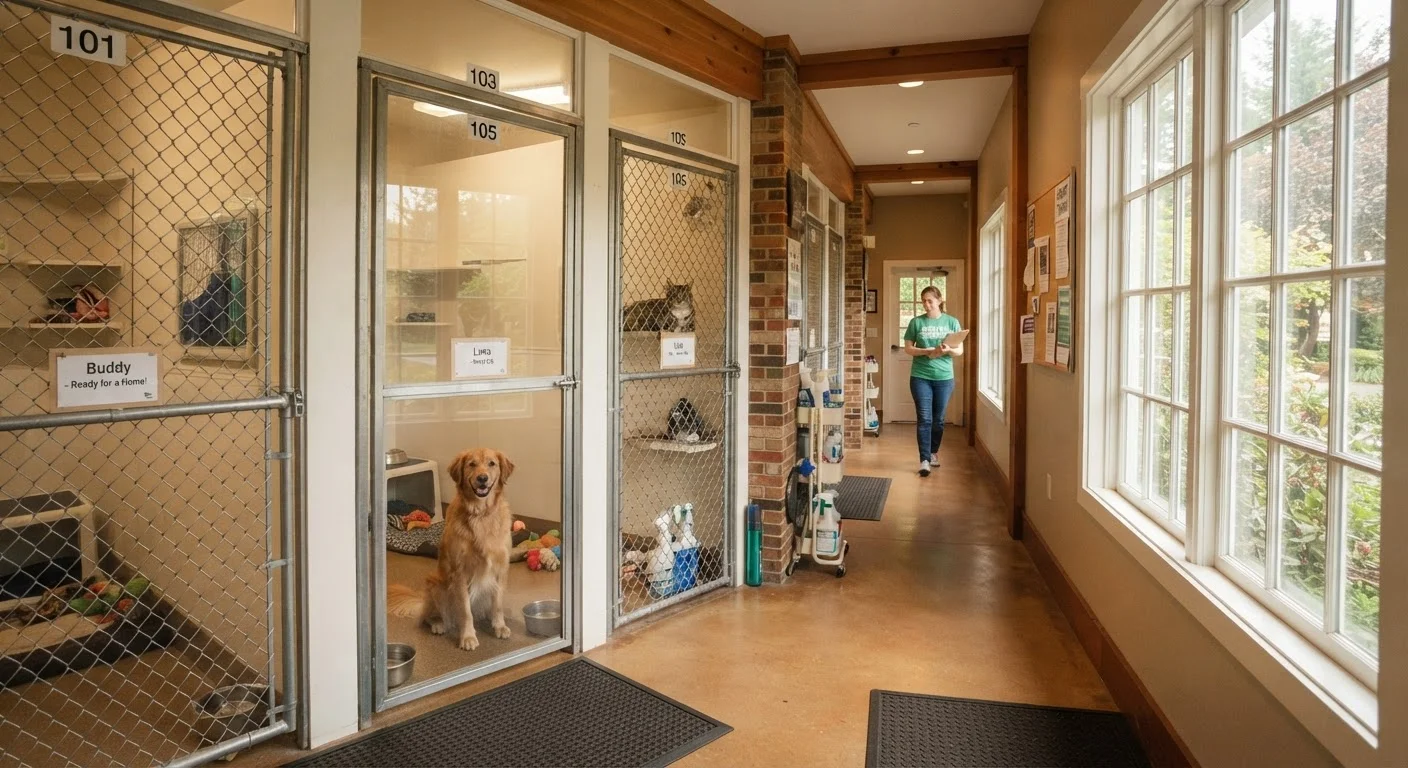
Photo credit: TurboBlogs.net | Explore Blogs At Turbo Speed
In this article
Adoption and purchasing from a breeder each come with distinct considerations around health, cost, ethics, and process. Here's a balanced overview.
Key Takeaways
- Adoption fees are generally lower upfront, but all pets carry ongoing costs regardless of source.
- Reputable breeders offer more predictability around breed traits, but require careful vetting to distinguish from irresponsible operations.
- Shelter animals are often already vaccinated, microchipped, and spayed or neutered.
- Neither path guarantees a perfectly healthy or perfectly behaved pet.
- The right choice depends on your lifestyle, experience level, and what you can realistically provide long-term.
Lower upfront costs with services often included
Adoption fees typically cover spaying/neutering, initial vaccinations, and microchipping - services that add up quickly when purchased separately.
Giving a home to an animal in need
Shelter animals, including many purebreds, are waiting for placement. Adoption directly addresses the overpopulation problem in a tangible way.
Temperament often pre-assessed by shelter staff
Many shelters and rescues evaluate animals before adoption and can match them to households based on energy level, compatibility with kids, and other factors.
Wide variety of ages and species available
Shelters have puppies, kittens, adults, and seniors - giving adopters real flexibility and the option to skip the intensive early-life stage if desired.
Unknown or incomplete health and behavioral history
Shelter animals may have experienced trauma, neglect, or inconsistent training that isn't always fully documented, which can lead to unexpected behavioral challenges.
Less breed predictability in mixed-breed animals
If specific size, temperament, or energy traits are important to your household, a mixed-breed shelter dog offers fewer guarantees about adult characteristics.
Specific breeds or puppies may be harder to find
While breed-specific rescues exist, wait times and availability for particular breeds or young puppies can vary widely depending on your region.
Higher purchase price from reputable breeders
Ethical breeders invest heavily in health testing and proper care, which is reflected in pricing - sometimes significantly higher than shelter adoption fees.
Risk of supporting low-welfare operations
Without careful research, buyers may inadvertently purchase from commercial breeding operations that prioritize profit over animal welfare and health.
Why This Decision Is More Nuanced Than It Looks
The debate between adopting and buying a pet often gets framed as a moral binary - a clear right and wrong. But for most households, the real question is more practical: which path aligns with your living situation, experience, and long-term commitment? Both routes involve real responsibilities, and both can result in a wonderful companion or a serious mismatch if the decision isn't made thoughtfully.
Understanding the actual differences - not the slogans - helps you make a choice you can stand behind. And remember: the costs of pet ownership don't end at acquisition. Food, vet bills, grooming, and emergencies are consistent no matter where your pet came from.
Adoption Isn't Always Easier
It's a common assumption that adopted pets are 'ready to go,' but many shelter animals - especially those with difficult histories - need structured training, patience, and sometimes professional behavioral support. This isn't a reason to avoid adoption, but it's worth going in with realistic expectations and a plan. Resources like certified animal behaviorists or reward-based trainers can make a meaningful difference in those early months.
What Adoption Actually Involves
Adopting through a shelter or rescue organization means giving a home to an animal that is already in the system - often already vaccinated, microchipped, and spayed or neutered. Adoption fees typically range from $50 to a few hundred dollars, which usually covers those initial medical services. That's a meaningful upfront saving compared to purchasing.
Shelter animals include purebreds (roughly 25% of shelter dogs are purebred, according to various animal welfare organizations), mixed breeds, adults, seniors, puppies, and kittens. Many rescues also specialize by breed, so finding a specific type of dog or cat is genuinely possible through adoption channels.
Lower upfront costs with services often included
Adoption fees typically cover spaying/neutering, initial vaccinations, and microchipping - services that add up quickly when purchased separately.
Giving a home to an animal in need
Shelter animals, including many purebreds, are waiting for placement. Adoption directly addresses the overpopulation problem in a tangible way.
Temperament often pre-assessed by shelter staff
Many shelters and rescues evaluate animals before adoption and can match them to households based on energy level, compatibility with kids, and other factors.
Wide variety of ages and species available
Shelters have puppies, kittens, adults, and seniors - giving adopters real flexibility and the option to skip the intensive early-life stage if desired.
The main unknowns with shelter pets are behavioral history and early-life experience. An animal that experienced neglect or inconsistent handling may need extra patience and structured training. This isn't a dealbreaker - but it's a realistic consideration, especially for households with young children or other pets.
What Buying from a Breeder Actually Involves
Purchasing a pet from a breeder - specifically a responsible, ethical one - offers a different kind of predictability. Reputable breeders health-test their breeding animals, provide documentation, allow you to visit before purchase, and are transparent about known genetic conditions in their lines. This matters most for breeds with documented health vulnerabilities, such as brachycephalic (flat-faced) dogs or breeds prone to hip dysplasia.
Unknown or incomplete health and behavioral history
Shelter animals may have experienced trauma, neglect, or inconsistent training that isn't always fully documented, which can lead to unexpected behavioral challenges.
Less breed predictability in mixed-breed animals
If specific size, temperament, or energy traits are important to your household, a mixed-breed shelter dog offers fewer guarantees about adult characteristics.
Specific breeds or puppies may be harder to find
While breed-specific rescues exist, wait times and availability for particular breeds or young puppies can vary widely depending on your region.
Higher purchase price from reputable breeders
Ethical breeders invest heavily in health testing and proper care, which is reflected in pricing - sometimes significantly higher than shelter adoption fees.
Risk of supporting low-welfare operations
Without careful research, buyers may inadvertently purchase from commercial breeding operations that prioritize profit over animal welfare and health.
The challenge is that the term "breeder" covers an enormous range of practices. At one end are dedicated hobbyist breeders who prioritize health and temperament. At the other are commercial operations (sometimes called "puppy mills") that prioritize volume over welfare. Distinguishing between them requires research: look for breeders affiliated with breed-specific clubs, ask to see health clearances, and be cautious of sellers who won't let you visit in person or who have multiple breeds always available.
Purchase prices from reputable breeders vary widely by breed and region but are typically significantly higher than adoption fees. Early socialization also matters enormously in this stage - see what early socialization involves and what that developmental window means for a puppy's temperament.
~6.5M
Animals entering U.S. shelters annually
According to the ASPCA, approximately 6.5 million companion animals enter U.S. animal shelters each year.
~25%
Shelter dogs that are purebred
Various animal welfare organizations estimate that roughly one in four dogs in shelters is a purebred, making adoption a viable option even for breed-specific seekers.
The Ethical Landscape
Animal welfare advocates generally encourage adoption because millions of animals enter shelters each year and many are euthanized due to space constraints. From a pure numbers standpoint, adoption directly reduces that burden. That's a real and meaningful consideration.
At the same time, the existence of ethical, responsible breeders is not inherently harmful - they contribute to the preservation of working breeds, support health research, and often rehome their dogs if owners can no longer care for them. The ethical problem isn't breeding per se; it's irresponsible breeding and the consumer demand that sustains low-welfare commercial operations.
If you choose to purchase, vetting the breeder carefully is where your ethical responsibility lies. If you choose to adopt, understanding the realistic behavioral and health needs of your specific animal is yours. Either way, committing to spay or neuter unless you are a responsible breeder yourself is widely recommended - here's what the research actually shows about those procedures.
Practical Questions to Ask Before You Decide
Before choosing a path, it helps to honestly assess a few things:
- Experience level: First-time pet owners may benefit from a rescue organization that has already assessed an animal's temperament and can match them accordingly.
- Lifestyle fit: Some breeds have very specific exercise, grooming, or space needs. If those specifics matter to your household, a reputable breeder may provide more certainty.
- Allergies: True hypoallergenic pets don't exist, but certain breeds produce fewer allergens. If this is a concern, breed predictability may be a priority.
- Timeline: Shelters can sometimes facilitate adoption within days; reputable breeders often have waitlists of months.
Once your pet is home, ongoing care - including nutrition - becomes the daily work. Reading pet food labels accurately is one practical skill that pays off regardless of how you acquired your animal. And if you're also navigating major life decisions around where to live, the same kind of balanced framework applies - much like thinking through renting vs. buying a home, pet acquisition is less about a single right answer and more about fit with your current circumstances.
This article provides general educational information about pet acquisition and is not a substitute for guidance from a veterinarian, animal behaviorist, or shelter professional familiar with your specific situation.

Author
Lifestyle & Shopping Editorial Team
Lifestyle & Shopping Editorial Team is the collective byline for our editorial team and contributor network. Articles published under this byline or an editorial pen name are researched, written, and reviewed according to our editorial standards for clarity, consistency, and independence before publication.
View all articles →