
The Complete Guide to Personal Budgeting
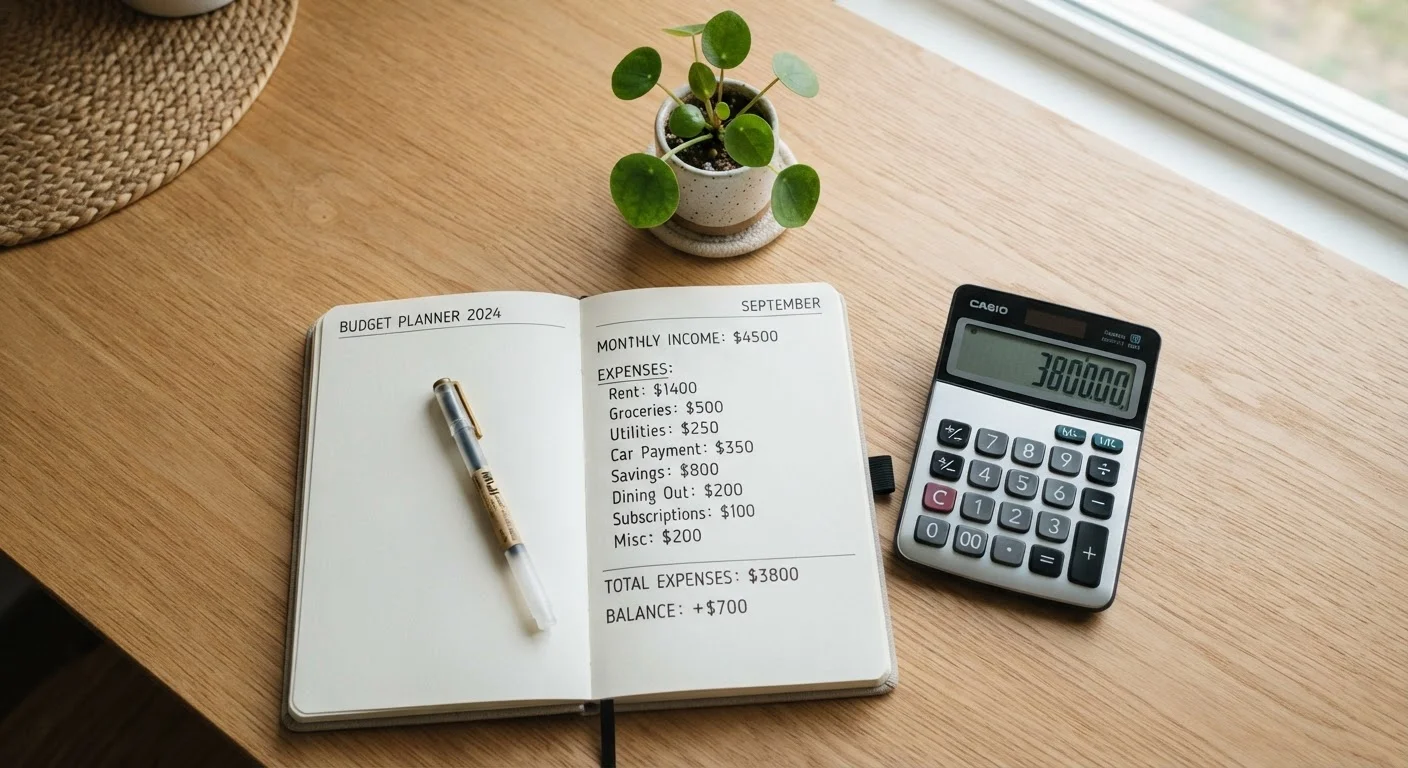
Photo credit: TurboBlogs.net | Explore Blogs At Turbo Speed
In this article
Everything you need to understand, build, and sustain a personal budget—from foundational concepts to advanced strategies for every life stage.
Key Takeaways
- A budget is a plan for your money - not a punishment. It gives spending decisions a purpose.
- Knowing your real take-home income is the essential first step before allocating a single dollar.
- Multiple proven budgeting methods exist; the right one is the one you'll actually stick to.
- Small, consistent adjustments outperform occasional drastic overhauls every time.
- Budgeting is a living document - it should change as your income, goals, and life change.
Why Budgeting Matters
A budget is simply a written plan that tells your money where to go instead of wondering where it went. Done well, it reduces financial anxiety, prevents debt creep, and creates room for goals that actually matter to you - whether that's an emergency fund, a vacation, or a comfortable retirement.
Research from the Consumer Financial Protection Bureau consistently shows that households with a documented spending plan report higher financial confidence and are better positioned to handle unexpected expenses. Yet fewer than half of American adults follow a budget in any formal way. The gap between knowing budgeting is useful and actually doing it is largely one of simplicity - most people never learned a system that felt manageable.
This guide fills that gap. It treats budgeting as a skill you develop, not a rigid restriction you endure.
Start Simple, Refine Later
Don't wait until you have the perfect system to begin. A rough budget started today is more valuable than a perfect budget started in three months. Capture your broad categories first, then add detail as the habit forms.
Understanding Your Income and Expenses
Before you can allocate money purposefully, you need an accurate picture of what you have coming in and what's going out. Start with your net income - the amount that actually lands in your bank account after taxes, health insurance deductions, and any 401(k) contributions. Do not use your gross salary; budgeting against a number you never see leads to a plan that never balances.
Next, list every spending category for the past two to three months. Group them into two types:
- Fixed expenses: Rent or mortgage, loan payments, insurance premiums - amounts that stay roughly constant each month.
- Variable expenses: Groceries, dining out, gas, entertainment - amounts that fluctuate and where most discretionary decisions happen.
Be honest. Pulling bank and credit card statements is far more accurate than relying on memory. Many people discover they underestimate discretionary spending by 20-30 percent when they first do this exercise.
~40%
Americans who follow a formal budget
Surveys by the National Foundation for Credit Counseling have consistently found fewer than half of U.S. adults maintain a written or tracked budget.
$400
Unexpected expense many Americans can't cover in cash
Federal Reserve data has historically shown a significant share of U.S. adults would struggle to cover a $400 emergency without borrowing or selling something.
20-30%
Typical underestimate of discretionary spending
Financial planners widely report that clients routinely underestimate variable spending by this margin before tracking it for the first time.
Choosing a Budgeting Method
No single budgeting method works for everyone. The best system is the one that matches your temperament and fits your lifestyle. Here are three widely used frameworks:
The 50/30/20 Rule
Popularized by Senator Elizabeth Warren in her book All Your Worth, this approach divides after-tax income into three buckets: 50% for needs (housing, utilities, groceries), 30% for wants (dining, subscriptions, hobbies), and 20% for savings and debt repayment. It's flexible and easy to remember, making it a strong starting point for beginners.
Zero-Based Budgeting
Every dollar of income is assigned a job - spending, saving, or debt payoff - until you reach zero unallocated dollars. This method requires more tracking but eliminates the ambiguity that causes overspending. It's especially effective for people who want complete control over where money goes.
Pay-Yourself-First
Savings and investment contributions are automated the moment income arrives; you budget the remainder for living expenses. This approach is behaviorally powerful because it removes the temptation to spend before saving. To build long-term wealth alongside your budget, see our guide on saving and investing.
When comparing budgeting methods, pilot the one you're considering for exactly 30 days before judging it. One month of real data tells you far more than reading about the method ever will.
Behavioral research consistently shows that people abandon financial systems they perceive as burdensome within weeks; a trial mindset reduces premature quitting.
Build a 'miscellaneous' category of 3-5% of income into every budget. Real life doesn't fit neatly into categories, and this buffer prevents small unexpected expenses from derailing your plan.
Rigid budgets with no flex room are the most common reason people abandon budgeting after a single 'failure' month.
Building Your First Budget
Once you have a method in mind, follow these steps to create an actionable budget:
- Calculate your monthly net income. Include all reliable income sources: wages, freelance pay, side income.
- List fixed expenses first. These are non-negotiable line items. Subtract them from income.
- Estimate variable expenses by category. Use your actual spending history, not aspirational targets.
- Assign savings as a category. Treat it like a bill - not an afterthought. Even a modest amount builds the habit.
- Check the math. Income minus all expenses and savings should equal zero (zero-based) or show a deliberate surplus.
- Write it down. A spreadsheet, a budgeting app, or even paper all work - the medium matters far less than the act of committing.
If your expenses exceed income, address the gap by identifying variable categories where you can reduce spending, or consider whether income increases are achievable. Managing debt alongside your budget is essential; our complete debt and credit guide covers payoff strategies in depth.
Your Emergency Fund Comes First
Before aggressively paying down debt or investing, prioritize building a starter emergency fund of at least $1,000. Without this buffer, a single unexpected expense - a car repair, a medical bill - will send you back to credit cards and undo progress. Once stable, grow it to three to six months of essential expenses.
Keeping Your Budget on Track
A budget only works if you revisit it. Monthly check-ins are the minimum effective frequency. During each review, compare what you planned to spend against what you actually spent, identify categories that consistently run over, and adjust allocations to reflect reality rather than wishful thinking.
Use our monthly budget audit checklist to make this review systematic and fast. A 20-minute monthly session can prevent months of drift.
Life events - a raise, job loss, new baby, or move - require a full budget rebuild, not just a tweak. Build that habit of resetting your plan whenever a significant financial change occurs.
Avoid the 'Set It and Forget It' Trap
A budget created once and never reviewed becomes outdated within weeks. Expenses change, income shifts, and old categories no longer apply. Schedule a recurring calendar reminder for your monthly review - treat it as a financial appointment you keep with yourself.
Budgeting Across Life Stages
Your budget should evolve as your financial life does. Here's how priorities typically shift:
Early Career (20s-early 30s)
Focus on building an emergency fund (three to six months of expenses), repaying high-interest debt, and starting retirement contributions - even small ones. Compound interest rewards early savers disproportionately; starting in your 20s versus your 40s can result in dramatically different outcomes over a lifetime.
Mid-Life (mid-30s-50s)
Budgets at this stage often carry larger fixed expenses - mortgage, childcare, college savings. Review your 401(k) contributions and employer match to ensure you're not leaving free money on the table.
Pre-Retirement and Beyond
Shift focus from accumulation to preservation. Reduce high-cost debt, stress-test your budget against a fixed income, and model what your expenses will look like without work-related costs. A budget at this stage is less about restriction and more about ensuring your money lasts as long as you need it to.
“A budget is telling your money where to go instead of wondering where it went.”
— Dave Ramsey, Personal finance author and radio host
This article is for general informational and educational purposes only and does not constitute personalized financial advice. Consult a qualified financial professional for guidance specific to your situation.

Author
Personal Finance Editorial Team
Personal Finance Editorial Team is the collective byline for our editorial team and contributor network. Articles published under this byline or an editorial pen name are researched, written, and reviewed according to our editorial standards for clarity, consistency, and independence before publication.
View all articles →