
Debt & Credit: A Complete Guide to Taking Control of Your Financial Health
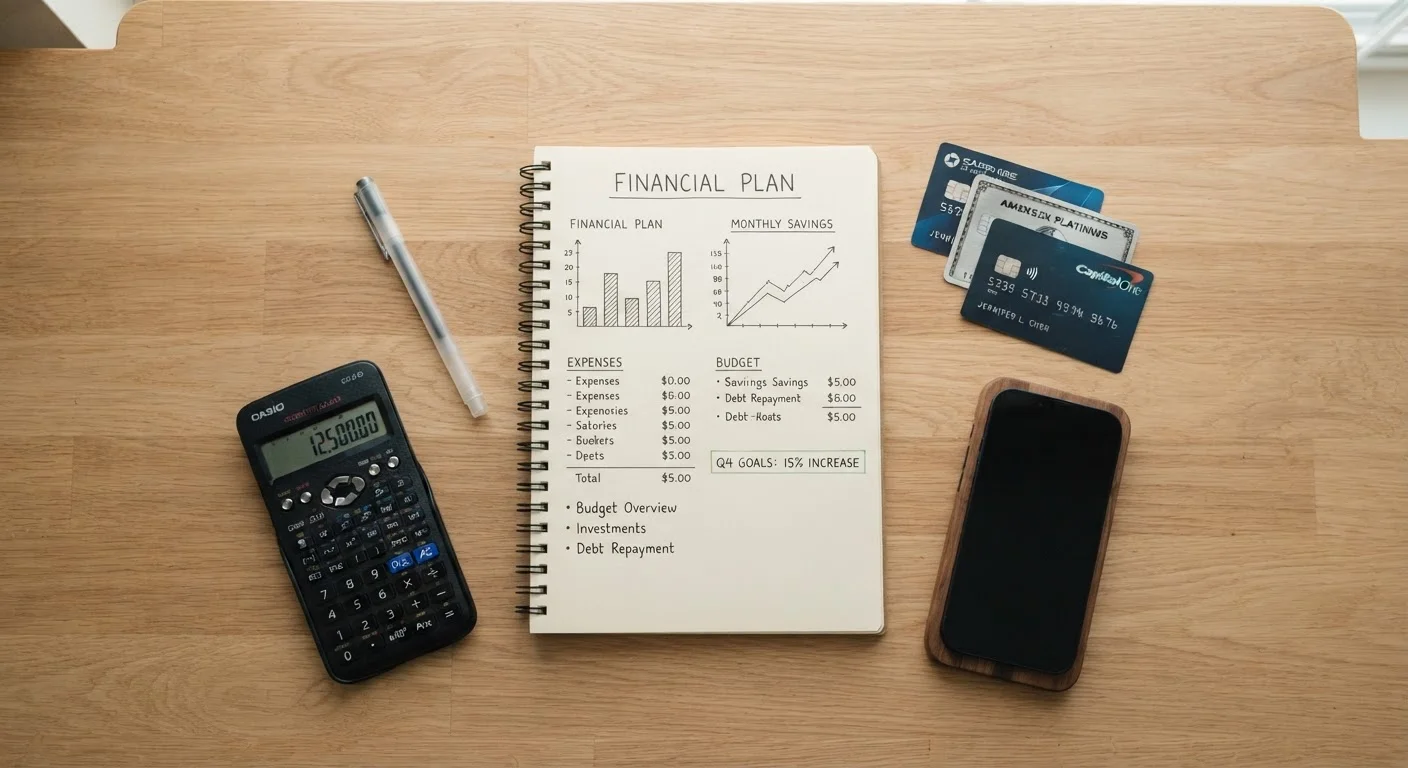
Photo credit: TurboBlogs.net | Explore Blogs At Turbo Speed
In this article
From understanding credit reports to choosing a payoff strategy, this end-to-end guide covers everything everyday Americans need to know about debt and credit.
Key Takeaways
- Your credit score is driven by five measurable factors, and payment history carries the most weight.
- You are entitled to one free credit report per year from each of the three major bureaus.
- The debt avalanche method saves the most money in interest; the debt snowball builds momentum fastest.
- Carrying a credit utilization ratio below 30% meaningfully helps your score.
- Nonprofit credit counseling is a legitimate, low-cost option when debt feels unmanageable.
- A strong budget is the foundation every effective debt-payoff plan is built on.
What Debt and Credit Actually Mean
Debt and credit are two sides of the same coin. Credit is the ability to borrow money with a promise to repay it, usually with interest. Debt is the balance you owe once you've used that credit. Both are tools - neither is inherently good or bad. The outcome depends entirely on how you manage them.
Common forms of debt include credit card balances, student loans, auto loans, personal loans, and mortgages. These fall into two broad categories:
- Revolving debt - a flexible credit limit you can borrow against repeatedly (e.g., credit cards, home equity lines of credit).
- Installment debt - a fixed loan amount repaid in regular payments over a set term (e.g., auto loans, student loans, mortgages).
Understanding which type of debt you carry matters because they affect your credit score differently and call for different payoff approaches. For a deeper foundation, see our Complete Guide to Personal Budgeting - because a solid budget is where every debt-reduction plan starts.
How Your Credit Score Is Calculated
Your credit score is a three-digit number - typically ranging from 300 to 850 - that lenders use to gauge how likely you are to repay borrowed money. The most widely used scoring model, FICO, breaks the score into five weighted factors:
| Factor | Weight |
|---|---|
| Payment history | 35% |
| Amounts owed (utilization) | 30% |
| Length of credit history | 15% |
| Credit mix | 10% |
| New credit inquiries | 10% |
Payment history is the single biggest lever. Even one missed payment can meaningfully lower your score. Credit utilization - how much of your available revolving credit you're using - is the second most influential factor. Keeping this ratio below 30% is a widely cited guideline among financial educators.
35%
Weight of payment history in FICO score
According to FICO's published scoring model, on-time payments are the single largest determinant of your credit score.
$6,501
Average American credit card balance
According to Experian's 2023 Consumer Credit Review, the average credit card balance per consumer reached this level.
30%
Recommended maximum credit utilization ratio
Financial educators widely cite keeping your credit utilization below 30% as a key practice for maintaining a healthy score.
If you're trying to quickly lower your utilization ratio before applying for a loan, pay down your credit card balances mid-billing cycle rather than waiting for the statement date - your reported balance may drop faster.
Credit card issuers typically report your balance to bureaus on or near your statement closing date, not your payment due date, so timing your payment strategically can lower the balance that gets reported.
When comparing the avalanche and snowball methods, run a quick spreadsheet calculation first - sometimes the interest difference between the two approaches is surprisingly small, making the method you'll stay motivated with the clear winner.
Research on behavior and personal finance consistently shows that adherence matters more than theoretical optimality; a slightly less efficient plan executed fully beats a perfect plan abandoned midway.
Reading and Monitoring Your Credit Report
Your credit report is the raw data your score is built from. It lists every account you've opened, your payment history, outstanding balances, and any negative marks such as collections or bankruptcies. Under federal law, you are entitled to one free report per year from each of the three major credit bureaus - Equifax, Experian, and TransUnion - through AnnualCreditReport.com.
When you review your report, look for:
- Accounts you don't recognize (a potential sign of identity theft or error)
- Incorrect late payments or balances
- Duplicate accounts or outdated negative information
Errors are more common than many people realize. If you find one, you have the right to dispute it directly with the bureau in writing. The bureau is generally required to investigate and respond within 30 days.
Soft vs. Hard Credit Inquiries
Checking your own credit report or score is a 'soft inquiry' and does not affect your score in any way. A 'hard inquiry' - triggered when a lender checks your credit as part of an application - can cause a small, temporary dip. Shopping for a mortgage or auto loan within a short window (typically 14-45 days, depending on the scoring model) usually counts as a single inquiry.
Monitoring your report regularly - ideally every few months by staggering requests across the three bureaus - gives you an early warning system. For guidance on sustaining this habit, see Keeping Your Credit Healthy Over the Long Term.
Proven Debt Payoff Strategies
Once you have a clear picture of what you owe, you need a systematic repayment plan. Two strategies dominate personal finance guidance:
The Debt Avalanche
List your debts from highest to lowest interest rate. Put every extra dollar toward the highest-rate balance while paying minimums on the rest. When that balance is gone, redirect those payments to the next highest rate. This approach minimizes the total interest you pay over time.
The Debt Snowball
List your debts from smallest to largest balance, regardless of rate. Pay off the smallest balance first. The psychological reward of eliminating accounts quickly builds momentum that keeps many people on track - even if the math is slightly less efficient than the avalanche.
Neither method is universally superior. The best strategy is the one you'll actually stick with. For those carrying high-interest credit card debt, a balance transfer to a lower-rate account may also be worth exploring - though it typically requires good credit to qualify, and transfer fees apply.
Watch Out for Debt Relief Scams
For-profit debt settlement companies often promise to negotiate your balances down dramatically, but charge steep fees and may advise you to stop paying creditors - which can accelerate damage to your credit and expose you to lawsuits. Always verify that any agency you work with is accredited and clearly explains all fees and risks before you agree to anything.
If you own a vehicle with financing, the same principles apply - see our Driver's Complete Guide to Car Ownership for how auto loans fit into your broader financial picture.
Building and Protecting Your Credit Over Time
Improving your credit score is a slow, steady process. There are no shortcuts, but there are consistent habits that reliably move the needle:
- Pay on time, every time. Automate at least the minimum payment so you never miss a due date.
- Keep utilization low. Paying down balances - or requesting a credit limit increase without spending more - reduces your ratio.
- Don't close old accounts unnecessarily. Older accounts lengthen your credit history and contribute to available credit.
- Apply for new credit only when needed. Each hard inquiry can temporarily dip your score by a few points.
These habits compound over time. A score that qualifies you for better interest rates can translate into thousands of dollars saved on a mortgage or auto loan. Our long-term credit health guide goes deeper on each of these practices.
Make Automation Your First Line of Defense
Set up automatic minimum payments on every account before you do anything else. This single step protects your payment history - the most heavily weighted factor in your score - even during months when life gets busy. Once minimums are automated, direct any extra cash strategically toward your chosen payoff target.
It's also worth noting that your budget fundamentals and your credit health are closely linked - a budget that consistently frees up money for debt payments is the engine behind a rising score.
When to Seek Professional Help
Sometimes debt reaches a point where self-management isn't enough. If you're struggling to cover minimum payments, receiving collection calls, or facing potential legal action from creditors, it's worth exploring structured assistance. For a closer look at warning signs, see our article on signs your debt load may be becoming unmanageable.
Options worth understanding:
- Nonprofit Credit Counseling
- Accredited nonprofit agencies (look for NFCC members) can help you review your budget, negotiate with creditors, and set up a Debt Management Plan (DMP) - typically for a modest monthly fee.
- Debt Consolidation
- Combining multiple debts into a single loan, often at a lower rate, can simplify repayment. This works best when the consolidation loan carries a meaningfully lower interest rate than your current balances.
- Bankruptcy
- A legal process that can discharge or restructure debts. It has serious, long-lasting credit consequences and should be considered only after consulting a qualified attorney.
Beware of Advice That Promises Quick Fixes
No legitimate service can legally remove accurate negative information from your credit report before its natural expiration - typically seven years for most negative items, ten for Chapter 7 bankruptcy. Credit repair companies that promise otherwise are often misleading consumers. Your strongest tools are consistent on-time payments, reduced balances, and time.
Regardless of your current situation, the most productive step is always to get accurate information and make a plan. Debt rarely improves on its own - but with the right strategy, steady progress is achievable for most households.
This article is for general informational and educational purposes only and does not constitute personalized financial, legal, or tax advice. Consult a licensed financial adviser, credit counselor, or attorney for guidance specific to your circumstances.

Author
Personal Finance Editorial Team
Personal Finance Editorial Team is the collective byline for our editorial team and contributor network. Articles published under this byline or an editorial pen name are researched, written, and reviewed according to our editorial standards for clarity, consistency, and independence before publication.
View all articles →