
Dollar-Cost Averaging: Investing Without Trying to Time the Market
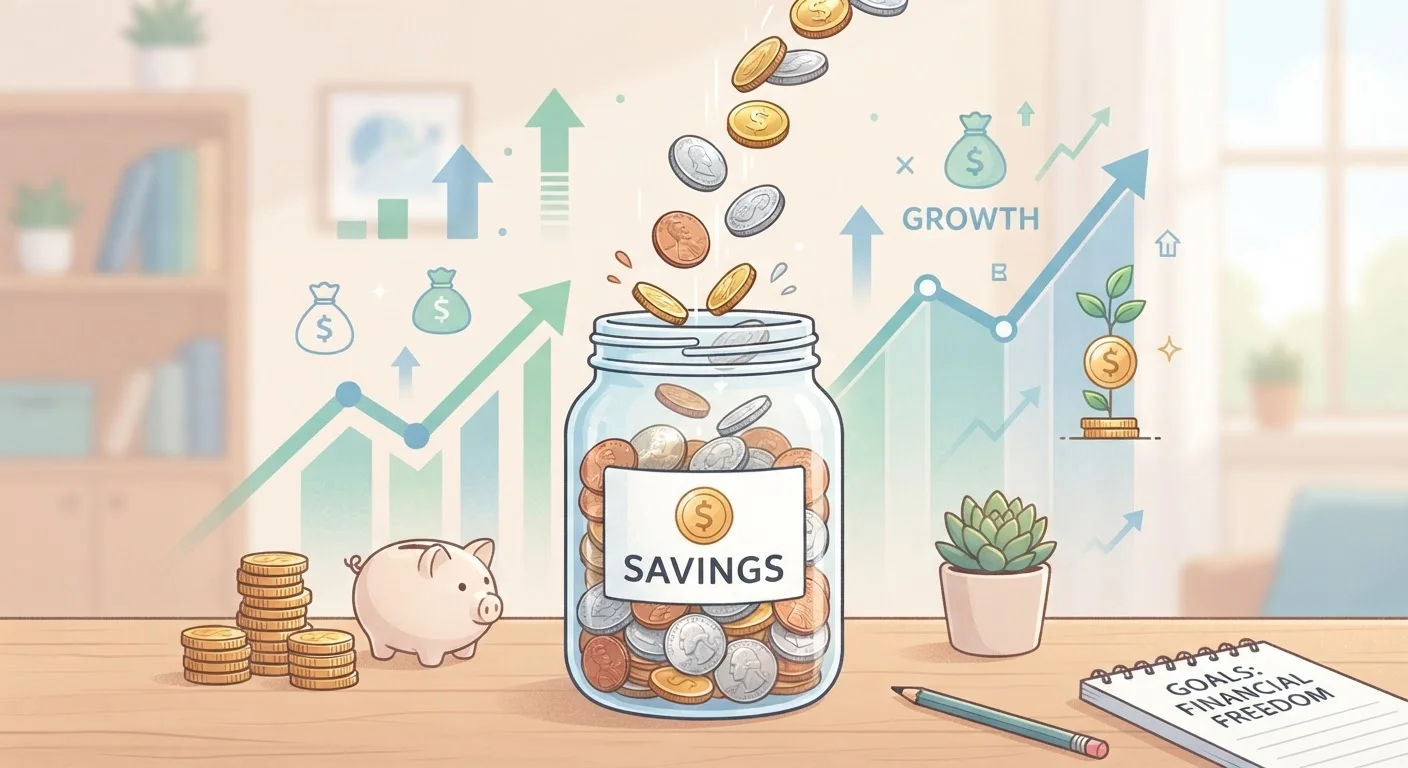
Photo credit: TurboBlogs.net | Explore Blogs At Turbo Speed
In this article
Dollar-cost averaging is a disciplined investing strategy that sidesteps the guesswork of market timing. Here's how it works and what it actually accomplishes.
Key Takeaways
- DCA invests a fixed amount on a regular schedule, removing the need to predict market movements.
- Buying consistently means you automatically purchase more shares when prices drop.
- The strategy reduces the emotional pressure of investing and helps build a long-term habit.
- DCA does not eliminate investment risk - markets can decline over extended periods.
- Many employer 401(k) plans already use DCA automatically through payroll deductions.
- Starting early matters more than timing the market perfectly - consistency is the real edge.
The Problem With Trying to Time the Market
Every investor faces the same temptation: wait for the "right" moment to buy. When markets are rising, it feels risky to jump in. When they fall, fear takes over. The result, for many people, is that they either never invest or they invest at emotionally driven, often unfavorable moments.
Research consistently shows that even professional fund managers struggle to time the market reliably. For everyday investors without trading infrastructure or real-time data, the odds are even lower. Dollar-cost averaging sidesteps this problem entirely by making timing irrelevant - you invest on a schedule, not a prediction.
This connects to a broader truth about investing: getting started matters far more than getting the timing perfect. Every month spent waiting for ideal conditions is a month of potential compound growth lost.
“The stock market is a device for transferring money from the impatient to the patient.”
— Warren Buffett, Investor and Chairman of Berkshire Hathaway
How Dollar-Cost Averaging Actually Works
The mechanics are straightforward. You choose a fixed amount - say, $150 - and invest it in the same fund or asset on the same day each month. Here's what happens across different market conditions:
- When prices are high: Your $150 buys fewer shares.
- When prices are low: Your $150 buys more shares.
Over time, this averaging effect means your cost per share tends to be lower than the average market price over that same period. You're not trying to buy at the bottom - you're simply ensuring you buy at many different price points, which smooths out volatility.
~57%
U.S. adults who own stocks
According to Gallup polling, roughly 57% of American adults report owning stocks, often through retirement accounts that automatically apply dollar-cost averaging.
$7,000
2024 IRA contribution limit
The IRS set the annual IRA contribution limit at $7,000 for 2024 ($8,000 if age 50+), making consistent monthly contributions of roughly $583 a practical DCA target for many savers.
It's also worth understanding that DCA works best alongside sound diversification. Asset allocation - dividing investments across categories - complements DCA by managing the risk of any single holding dragging down your portfolio.
The Psychological Edge of a Systematic Approach
Beyond the math, DCA offers a significant behavioral advantage. Investing on autopilot removes the emotional decision-making that trips up most investors. You don't have to evaluate the news, predict the Fed's next move, or second-guess your timing. The schedule does the work.
This consistency also builds a saving habit that reinforces itself. When a fixed investment leaves your account on the same day each month - ideally automated - it gradually becomes part of your financial routine, much like a utility bill. Many people believe investing is too risky or complex to start, but DCA reduces both the complexity and the psychological burden considerably.
Automate to Stay Consistent
Set your DCA contributions to transfer automatically on a fixed date each month - ideally shortly after your paycheck clears. Automation removes the decision from your hands, which is exactly the point. If you have to manually initiate every transfer, you're more likely to skip it during market turbulence, which is the worst time to stop.
For a broader look at building these habits into your overall financial plan, the guide to saving and investing from your first dollar covers how DCA fits within a complete wealth-building strategy.
What Dollar-Cost Averaging Won't Do
DCA is not a guarantee. If markets decline over a long period - and they can - you will experience losses regardless of how systematically you invest. The strategy reduces timing risk, not market risk. Understanding this distinction is essential before you commit to any investment approach.
DCA also works best when you can stay consistent. Abandoning the schedule during a market downturn - precisely when prices are low and shares are cheapest - defeats the strategy's core advantage. The discipline to keep investing in difficult conditions is what separates successful long-term investors from those who lock in losses by selling.
If building the financial discipline to invest consistently is a challenge, pairing DCA with a structured spending plan can help. Zero-based budgeting assigns every dollar a purpose, making it easier to carve out a consistent investment contribution before spending decisions compete for that money. You can also explore budgeting basics for foundational strategies to free up money for regular investing.
This article is for general informational and educational purposes only and does not constitute personalized investment, financial, or tax advice. Investing involves risk, including the possible loss of principal. Past performance does not guarantee future results. Consult a licensed financial adviser before making decisions based on your individual circumstances.
Frequently Asked Questions

Author
Personal Finance Editorial Team
Personal Finance Editorial Team is the collective byline for our editorial team and contributor network. Articles published under this byline or an editorial pen name are researched, written, and reviewed according to our editorial standards for clarity, consistency, and independence before publication.
View all articles →