
What Data Brokers Know About You - and How to Opt Out
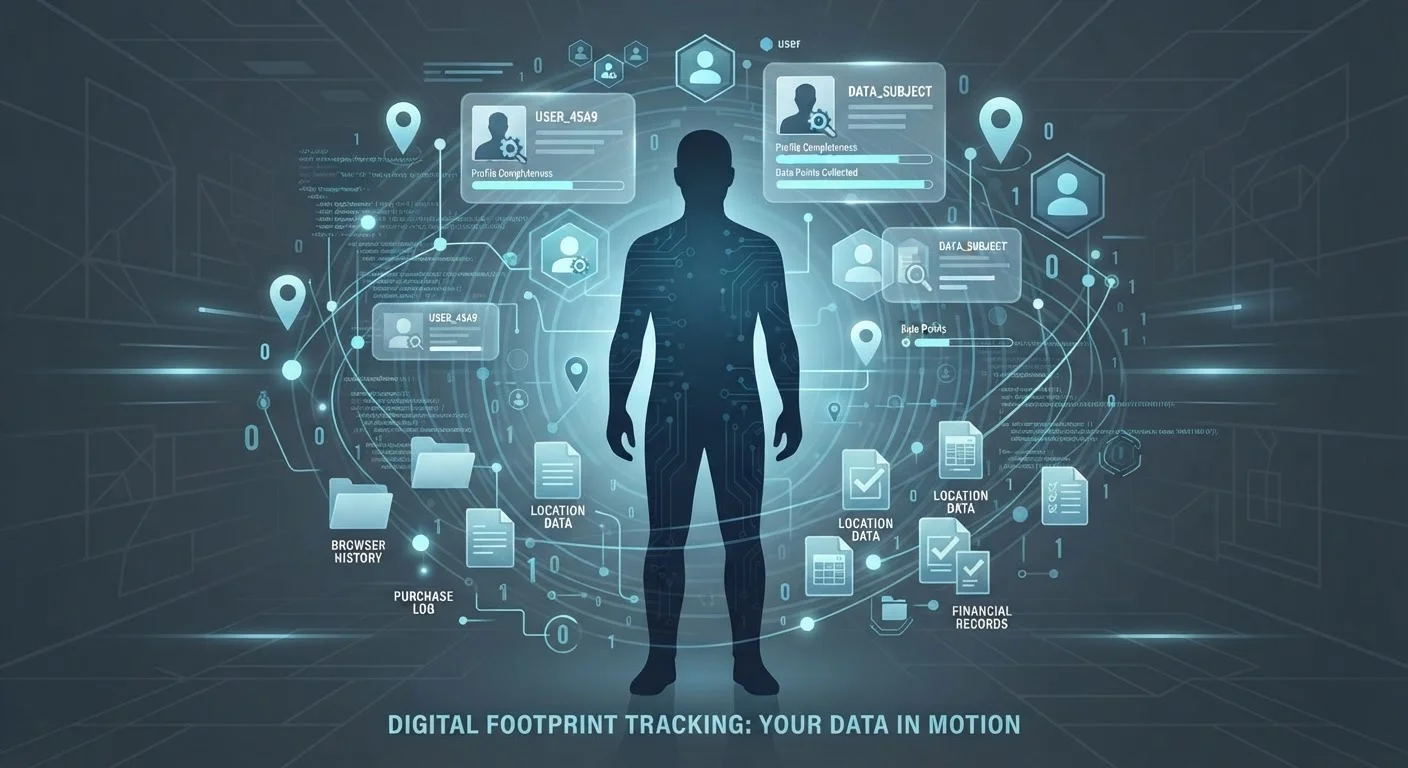
Photo credit: TurboBlogs.net | Explore Blogs At Turbo Speed
In this article
Data brokers collect and sell your personal information legally. Learn what they hold, who buys it, and how to request removal.
Key Takeaways
- Data brokers legally collect and sell your personal information compiled from dozens of public and private sources.
- A typical broker profile can include your name, address history, income estimate, health interests, political affiliation, and more.
- You can request removal from many data broker databases, though the process is manual and must be repeated periodically.
- State privacy laws in California, Virginia, and others provide formal opt-out rights; federal law offers limited protection.
- Paid data removal services automate the opt-out process but do not guarantee complete erasure.
What Data Brokers Actually Know About You
Most people assume that strangers cannot easily access detailed information about their lives. Data brokers make that assumption wrong. A typical broker profile can contain your full name, current and historical addresses, phone numbers, email addresses, estimated income, property ownership, vehicle records, political party registration, purchasing behavior, health interests inferred from browsing and app data, and even relationship networks derived from social media.
This information is drawn from an enormous variety of sources: public records like voter rolls, property deeds, and court filings; retail loyalty programs; website tracking pixels; mobile app location data; and data shared or sold by other brokers. The result is a surprisingly intimate portrait assembled without you ever speaking to the company that holds it.
If you want to understand the broader landscape of how your devices contribute to this picture, see our article on smart home data collection.
4,000+
Active data broker companies in the U.S.
Industry analysts estimate there are more than 4,000 data broker companies operating in the United States, according to research cited by the Electronic Frontier Foundation.
$200B+
Estimated annual U.S. data broker market value
The global data brokerage industry is widely estimated to generate over $200 billion in annual revenue, reflecting how commercially valuable personal data has become.
~100+
Sources feeding a single broker profile
Large brokers like Acxiom have disclosed drawing on hundreds of distinct data sources to build individual consumer profiles.
Who Buys This Data and Why
The customers of data brokers span a wide range of industries. Marketers use aggregated profiles to target advertising. Insurers may use inferred risk indicators when pricing policies. Employers sometimes run background screening through broker-linked services. Landlords, lenders, and even private investigators draw on these databases routinely.
Governments and law enforcement agencies have also been documented purchasing access to data broker records - a practice that sidesteps the warrant requirements that would apply to direct data collection. This gives the commercial data ecosystem implications that extend beyond spam mail and targeted ads.
“The commercial surveillance ecosystem has become so vast and interconnected that opting out of any single company's data practices provides only marginal protection. The problem is structural, not individual.”
— Justin Brookman, Director of Technology Policy, Consumer Reports
Understanding who profits from your data is a foundational piece of digital privacy literacy. For a broader introduction to these concepts, our privacy fundamentals guide covers the core tools and habits worth building.
How to Opt Out: What's Realistic
Opting out of data broker databases is legal and possible, but it requires sustained effort. There is no single universal opt-out mechanism in the United States. Instead, each company maintains its own removal process - some offer online forms, others require email requests or copies of government-issued ID for identity verification.
The major brokers to prioritize include Acxiom (which operates a consumer access portal called AboutTheData), Spokeo, Whitepages, BeenVerified, Intelius, PeopleFinder, and LexisNexis. Each has a distinct process. California residents have formal rights under the California Consumer Privacy Act (CCPA) and can submit deletion requests that companies are legally obligated to honor within 45 days.
Start With the Biggest Brokers First
Rather than trying to opt out of every broker at once, begin with the highest-traffic people-search sites: Spokeo, Whitepages, BeenVerified, and Acxiom. These are frequently the first results when someone searches your name, and removing your profile there has the most immediate practical impact. Work through others systematically over several weeks.
Paid data removal services - sometimes called personal data removal or privacy management services - automate submissions across dozens or hundreds of brokers simultaneously. They do not provide complete erasure, and profiles can re-emerge as brokers refresh their data. Treat them as an ongoing maintenance tool rather than a one-time fix.
It is also worth examining your own habits. Minimizing what you share with retail loyalty programs, reviewing app permissions, and using a privacy-focused browser all reduce the volume of data available for brokers to collect. Our guide on protecting your data while shopping online covers practical steps that limit exposure at the source.
The Limits of Opting Out and What Else to Know
Even diligent opt-out efforts face structural limits. Public records - court documents, property filings, voter registrations - are by definition public, and data brokers can legally re-collect them at any time. This means a profile you had removed may reappear within months without any wrongdoing by the broker.
A common misconception is that because you have "nothing to hide," data broker profiles are harmless. In reality, aggregated profiles create risks including identity theft enablement, targeted phishing attacks, doxxing, and discriminatory pricing or screening. Privacy myths like this one are worth examining carefully.
Parents should also be aware that children are not immune. Data collected through school platforms, gaming apps, and family accounts can find its way into broker databases. Our article on children's online privacy outlines specific protections and habits families can adopt.
Managing your data broker exposure is not a problem that can be solved once and forgotten. Think of it as an ongoing practice - similar to reviewing financial statements or updating passwords - that meaningfully reduces your risk even if it cannot eliminate it entirely.
Frequently Asked Questions

Author
Tech & Electronics Editorial Team
Tech & Electronics Editorial Team is the collective byline for our editorial team and contributor network. Articles published under this byline or an editorial pen name are researched, written, and reviewed according to our editorial standards for clarity, consistency, and independence before publication.
View all articles →