
Filing an Auto Insurance Claim: What to Do From the Scene to Settlement
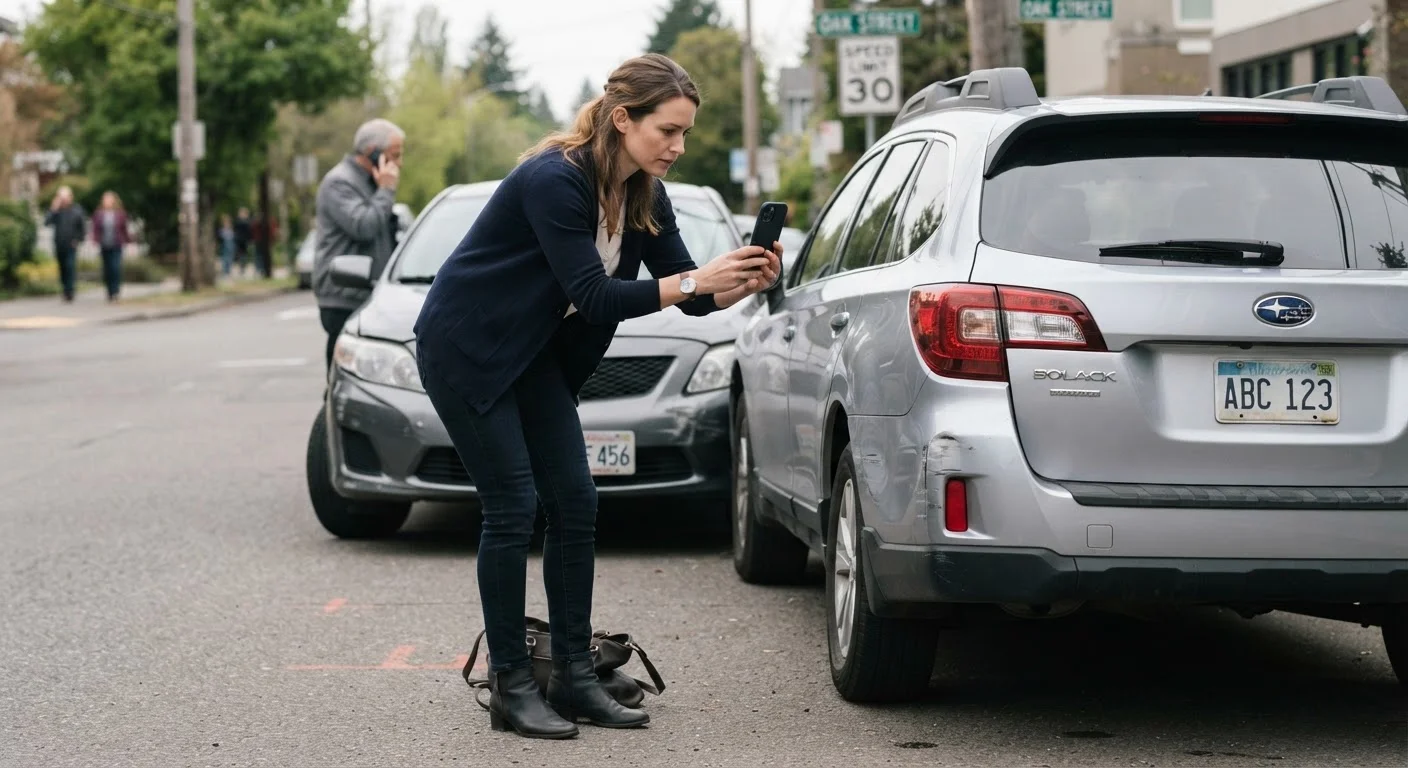
Photo credit: TurboBlogs.net | Explore Blogs At Turbo Speed
In this article
Knowing what to document, who to call, and what to expect makes the claims process far less stressful. Walk through each stage clearly.
Key Takeaways
- Safety and documentation at the scene directly shape how smoothly your claim proceeds.
- Notify your insurer promptly - most policies require timely reporting to preserve coverage.
- An adjuster will investigate the claim and determine how much the insurer will pay.
- You have the right to review and dispute a settlement offer before accepting it.
- Understanding your coverage types before a loss helps you set realistic expectations.
Why the Claims Process Feels Complicated - and How to Simplify It
Auto insurance is designed to work in the background until you need it. When an accident happens, many drivers discover they are not sure what their policy actually covers, who to call first, or what to say. That uncertainty is understandable - but it is also avoidable. Understanding the basic structure of the claims process before an incident puts you in a far stronger position when it counts.
Every claim follows a broadly similar arc: document the scene, notify your insurer, cooperate with the investigation, and respond to a settlement offer. What varies is the detail at each stage - and those details are where claims either go smoothly or stall. If you are still building your foundation in auto insurance, our auto insurance overview covers the core concepts in plain language.
Keep a Claims-Ready Folder in Your Glove Box
Store a printed copy of your declarations page, your insurer's claims phone number, and a simple accident checklist in your vehicle. When stress is high at the scene, having a ready reference prevents you from forgetting critical steps. Many insurers also offer mobile apps that walk you through on-scene documentation.
Before following the steps below, confirm you have what you need on hand.
What you will need
What You'll Need Before You Begin
Having the right tools and information at the scene reduces errors under stress. Review the items below and keep them accessible in your vehicle.
Smartphone or camera
Photograph vehicle damage, license plates, road conditions, and any injuries at the scene.
Auto insurance ID card
Share your policy number and insurer contact details with other involved parties.
Pen and paper or notes app
Record names, contact details, witness information, and incident details.
Police report number
Official documentation that supports your claim and establishes a factual record of the incident.
Insurer mobile app
Submit photos, track claim status, and communicate with your adjuster digitally.
It also helps to know your coverage before a loss occurs. Drivers who understand the difference between liability, collision, and comprehensive coverage are better prepared to know which applies to their specific situation. Our coverage types guide explains each one clearly. For a deeper look at common misunderstandings, see our piece on what auto insurance actually covers.
Step-by-Step: From the Scene to Settlement
Never Admit Fault at the Scene
Even a casual apology can be used as an admission of liability that complicates your claim and affects your legal standing. Stick to exchanging factual information with other parties and leave fault determinations to insurers and, if necessary, courts. Your insurer's claims team is trained to handle these assessments on your behalf.
Ensure safety and call emergency services if needed
Move vehicles out of active traffic if it is safe to do so. Check all parties for injuries and call 911 immediately if anyone is hurt or if there is significant property damage - many states require a police report for accidents above a certain damage threshold. Even for minor incidents, a police report creates an official record that can protect you if the other party's account of events changes later.
Document the scene thoroughly
Photograph all vehicles from multiple angles, focusing on points of impact, license plates, and surrounding road conditions. Capture any skid marks, traffic signals, or signage that could be relevant. Note the time, date, location, direction of travel for all vehicles, and current weather conditions. Collect the name, driver's license number, insurance company, and policy number from every other driver involved.
Notify your insurer promptly
Contact your insurance company as soon as it is safe - ideally the same day. Most insurers have 24-hour claims lines and mobile apps for immediate reporting. Provide a factual account: what happened, who was involved, and what you documented. At this stage you are opening the claim, not negotiating settlement. Your insurer will assign a claim number, which you should record and reference in all future communications.
Work with the assigned adjuster
Your insurer will assign a claims adjuster whose job is to investigate the incident, assess liability, and estimate repair or replacement costs. The adjuster may contact you for a recorded statement - answer factually and stick to what you directly observed. They may also arrange an inspection of your vehicle. You are entitled to ask questions about the process and timeline at any point.
Get your vehicle inspected and repaired
The adjuster will either inspect your vehicle in person or use photos you submit to generate a repair estimate. Many insurers have preferred repair networks, but in most states you have the right to choose your own licensed repair shop. If the estimated repair cost approaches or exceeds your vehicle's actual cash value, the insurer may declare it a total loss and offer a settlement based on market value rather than repair cost.
Review and respond to the settlement offer
Once the investigation is complete, your insurer will present a settlement figure. Review it carefully against your policy's terms - paying attention to your deductible, any applicable coverage limits, and what expenses are included. If you believe the offer is too low or items are missing, you can negotiate. Provide supporting documentation such as independent repair estimates, comparable vehicle valuations, or receipts for related expenses. You are not required to accept a first offer.
Understand how the claim may affect your policy
After settlement, review whether the claim will affect your premium at renewal. At-fault accidents commonly result in a rate increase, while not-at-fault claims have a more variable impact depending on your insurer and state regulations. Some policies include accident forgiveness provisions. This is also a good moment to revisit your overall coverage - consider whether your deductibles, liability limits, or other terms still fit your situation.
This article provides general information about the auto insurance claims process and is not legal or insurance advice. Coverage terms, claim procedures, and consumer rights vary by policy and by state. Consult your policy documents and a licensed insurance professional for guidance specific to your situation.
After the Claim: Keeping Your Coverage Current
A resolved claim is a natural prompt to reassess your overall insurance posture. Premiums may shift at renewal, your vehicle's value has likely changed, and life circumstances that affect your coverage needs may have evolved. Our policy review checklist identifies the key moments to revisit your coverage and what to look for each time.
The claims process is rarely anyone's preferred experience, but it does not have to be opaque. With thorough documentation, prompt communication, and a clear understanding of your policy's structure, most straightforward claims move toward resolution without unnecessary friction.

Author
Autos & Insurance Editorial Team
Autos & Insurance Editorial Team is the collective byline for our editorial team and contributor network. Articles published under this byline or an editorial pen name are researched, written, and reviewed according to our editorial standards for clarity, consistency, and independence before publication.
View all articles →