
Things Drivers Get Wrong About What Auto Insurance Covers
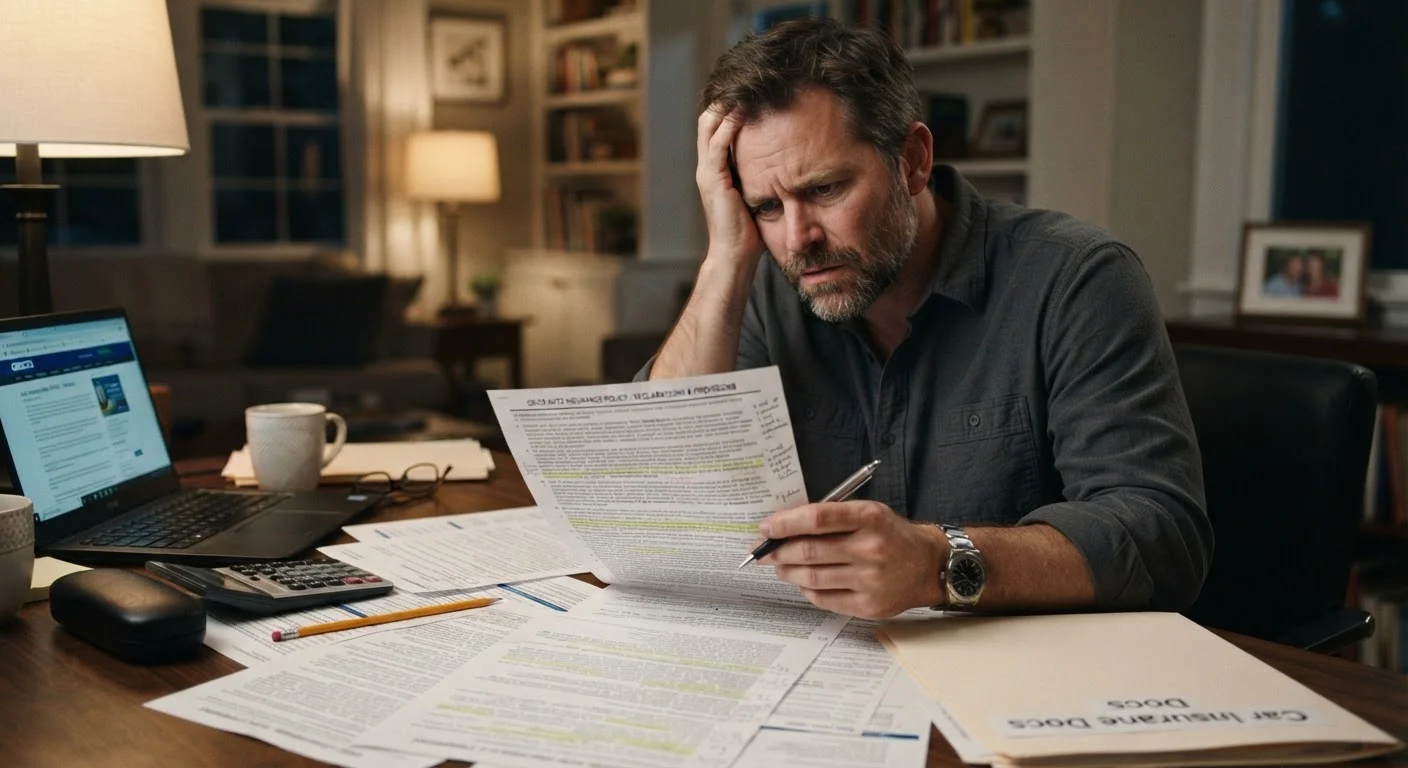
Photo credit: TurboBlogs.net | Explore Blogs At Turbo Speed
Many drivers discover coverage gaps only after a claim. This piece separates common auto insurance myths from how policies actually work.
Key Takeaways
- Standard liability coverage protects others - not your own vehicle or medical bills.
- 'Full coverage' is an informal term, not a guarantee that everything is covered.
- Personal belongings stolen from your car are typically not covered by auto insurance.
- Comprehensive coverage applies to non-collision events like theft, hail, and flooding.
- Lending your car to someone else can affect how a claim is handled under your policy.
- Always read your policy's exclusions section - coverage gaps are often found there.
Why These Misconceptions Are So Costly
Most drivers only discover what their auto insurance actually covers when they file a claim - and by then, it's too late to fix a gap. Misunderstanding coverage doesn't just cause frustration; it can leave you facing thousands of dollars in out-of-pocket expenses you assumed were handled. The good news is that clearing up common myths is straightforward once you know what to look for.
For a broader foundation, this plain-English guide to auto insurance covers the essential terms and structures every driver should understand. The myths below address the most frequent - and most expensive - misunderstandings we see.
Myth
If I have 'full coverage,' I'm protected no matter what happens to my car.
Fact
'Full coverage' is an informal phrase, not a defined policy type - it typically means liability plus collision and comprehensive, but it still has exclusions.
'Full coverage' is industry shorthand, not a legal or contractual term. A policy described this way generally bundles liability, collision, and comprehensive coverages, but it does not eliminate deductibles, and it does not cover every scenario. Mechanical breakdowns, regular wear and tear, and certain custom parts are commonly excluded. Assuming 'full coverage' means total protection is one of the most common and costly errors drivers make when shopping for a policy.
Myth
My liability insurance will pay to repair my own car after an accident I caused.
Fact
Liability coverage pays for damage and injuries you cause to others - your own vehicle requires collision coverage for repair costs.
Liability is the coverage required in nearly every U.S. state, but it only flows outward - toward the other driver's vehicle and medical costs. If you cause an accident, your own repair bill is your responsibility unless you carry collision coverage. Understanding how liability, collision, and comprehensive each function helps clarify exactly which coverage applies in which scenario.
Myth
Comprehensive coverage includes collisions with other vehicles.
Fact
Comprehensive covers non-collision losses - such as theft, fire, hail, flooding, and animal strikes. Collisions with other vehicles fall under collision coverage.
The name 'comprehensive' suggests it covers everything, but it has a specific scope. It applies when your vehicle is damaged by events outside your control that don't involve striking another vehicle or object - natural disasters, vandalism, hitting a deer, or a falling tree. For a detailed comparison, see how collision and comprehensive coverage differ side by side.
Myth
Personal belongings stolen from my car are covered by my auto insurance.
Fact
Auto insurance generally does not cover personal property inside a vehicle - that typically falls under renters or homeowners insurance.
If a laptop, camera, or bag is stolen from your car, your auto policy's comprehensive coverage applies to damage to the vehicle itself (such as a broken window) but not to the items taken. Personal property inside a vehicle is usually covered under a separate renters or homeowners policy, subject to that policy's deductible and limits. Drivers who rent and don't carry renters insurance may have no coverage at all for stolen belongings - a parallel situation to renters mistakenly relying on a landlord's policy.
Myth
If someone borrows my car and crashes it, their insurance pays.
Fact
In most cases, auto insurance follows the vehicle, not the driver - meaning your policy typically responds first when someone you lend your car to is in an accident.
This is a widely misunderstood area. Generally, if you give a friend or family member permission to drive your vehicle and they cause an accident, your liability and collision coverages apply first - including your deductible. The borrower's own policy may act as secondary coverage, but your policy bears primary responsibility. Lending your vehicle to someone with a poor driving record or without a valid license can also affect how a claim is handled, so it's worth checking your policy's permissive-use language before handing over the keys.
Myth
An at-fault driver's insurance will always cover my full repair costs.
Fact
If the at-fault driver is underinsured, their liability limits may not cover your total losses - that's where uninsured/underinsured motorist coverage becomes important.
State-mandated minimum liability limits are often low enough that they don't cover serious accidents. If the other driver carries only the minimum required, their policy may fall well short of your actual repair and medical costs. Uninsured and underinsured motorist coverage is designed specifically to bridge that gap - and it's worth understanding even in states where it's technically optional.
What These Myths Mean for Your Coverage
Each misconception above points to the same underlying problem: drivers often buy coverage based on assumptions rather than verified policy terms. The only reliable way to know what you're covered for is to read your policy document - specifically the declarations page, the coverage sections, and the exclusions. Navigating your policy's structure is more manageable than it looks once you know what each section does.
Don't Rely on Verbal Summaries of Your Policy
What an agent describes over the phone or in a quick summary may not capture every exclusion in your actual policy document. Coverage disputes are resolved based on the written policy terms - not on what you were told at purchase. Always request and read the full policy, especially the exclusions section, and ask for clarification in writing if something is unclear.
If you've never compared coverage types side by side, understanding liability, collision, and comprehensive coverage is the right place to start. And if you share your vehicle or have questions about how a claim works after an accident, knowing the claims process in advance can make a stressful situation far more manageable.
~13%
U.S. drivers estimated to be uninsured
According to the Insurance Research Council, roughly 1 in 8 drivers on American roads carries no auto insurance, increasing risk for everyone.
1 in 3
Drivers unsure what their policy covers
Industry surveys consistently find that a significant share of policyholders cannot accurately describe the coverages included in their own auto insurance policy.
This article is for general informational purposes only and does not constitute personalized insurance, financial, or legal advice. Coverage terms, exclusions, and regulations vary by insurer, policy, and state. Consult a licensed insurance agent or adviser and review your actual policy documents for guidance specific to your situation.

Author
Autos & Insurance Editorial Team
Autos & Insurance Editorial Team is the collective byline for our editorial team and contributor network. Articles published under this byline or an editorial pen name are researched, written, and reviewed according to our editorial standards for clarity, consistency, and independence before publication.
View all articles →