
The Auto Insurance Terms Glossary Every Driver Should Bookmark
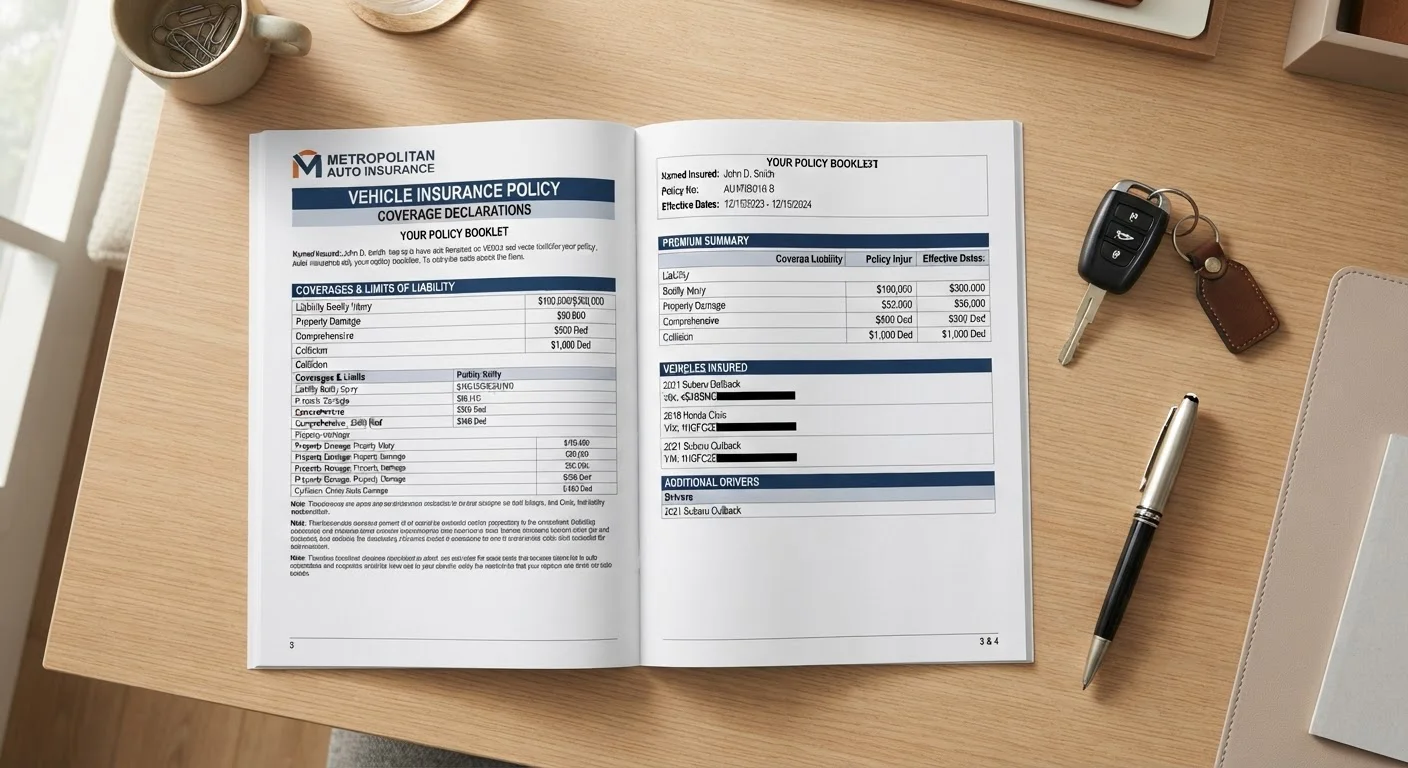
Photo credit: TurboBlogs.net | Explore Blogs At Turbo Speed
From 'subrogation' to 'uninsured motorist,' this reference glossary defines the auto insurance terms you'll encounter in your policy documents.
Why Insurance Vocabulary Matters
Auto insurance policies are legal contracts - and the specific words used in them carry precise meaning. A term like "collision" or "comprehensive" defines exactly which events trigger coverage and which do not. When drivers misread or skip over these definitions, they often discover gaps only after filing a claim.
This reference glossary defines the most commonly encountered auto insurance terms in plain language. Whether you're reviewing a new policy, comparing options, or decoding a renewal notice, use it as a quick lookup companion. For a broader orientation, see Auto Insurance Decoded.
Policy Terms Vary by State and Provider
Auto insurance is regulated at the state level, which means coverage requirements, terminology, and available options can differ significantly depending on where you live. Always read your actual policy documents and consult a licensed insurance agent if you have questions about how a specific term applies to your situation. This glossary provides general definitions for educational purposes only - it is not personalized insurance advice.
Core Coverage Terms
The terms below form the foundation of nearly every auto policy. Understanding them helps you evaluate what you're buying and what remains your financial responsibility.
Drivers frequently confuse comprehensive and collision coverage, or assume liability protects their own vehicle - it does not. For a full breakdown of these common misconceptions, see what auto insurance actually covers.
Key Numbers and Policy Facts
Context matters when reading your policy. The figures below reflect general industry norms and regulatory baselines that shape how policies are structured across the country.
| States requiring auto insurance | 49 out of 50 (New Hampshire is the only state that does not mandate auto insurance, though drivers must prove financial responsibility.) |
| Most common required coverage type | Bodily injury & property damage liability (Insurance Information Institute (III)) |
| Typical deductible range | $250 - $2,000 (General industry range; individual policies vary.) |
| Uninsured drivers on U.S. roads | Approximately 1 in 7 (Insurance Research Council, 2023 estimate) |
Understanding your state's minimum requirements is a starting point - not a coverage recommendation. Minimums are often far lower than what a serious accident can cost. For a deeper look at UM and UIM protection, see uninsured and underinsured motorist coverage.
1 in 7
U.S. drivers estimated to be uninsured
According to the Insurance Research Council's 2023 estimates, roughly 14% of drivers on U.S. roads carry no auto insurance.
49 / 50
States mandating auto insurance
All U.S. states except New Hampshire require drivers to carry at minimum some form of liability coverage or proof of financial responsibility.
Your declarations page is the fastest place to confirm your current coverage limits, deductibles, and endorsements. Review it any time your circumstances change - after buying a new car, moving to a new state, or adding a driver to the policy.
This article is for general informational and educational purposes only and does not constitute personalized insurance, legal, or financial advice. Coverage terms, requirements, and availability vary by state and insurer. Always consult a licensed insurance professional and read your actual policy documents before making decisions about your coverage.

Author
Autos & Insurance Editorial Team
Autos & Insurance Editorial Team is the collective byline for our editorial team and contributor network. Articles published under this byline or an editorial pen name are researched, written, and reviewed according to our editorial standards for clarity, consistency, and independence before publication.
View all articles →