
Pre-Purchase Vehicle Inspection: What to Look For Before You Commit
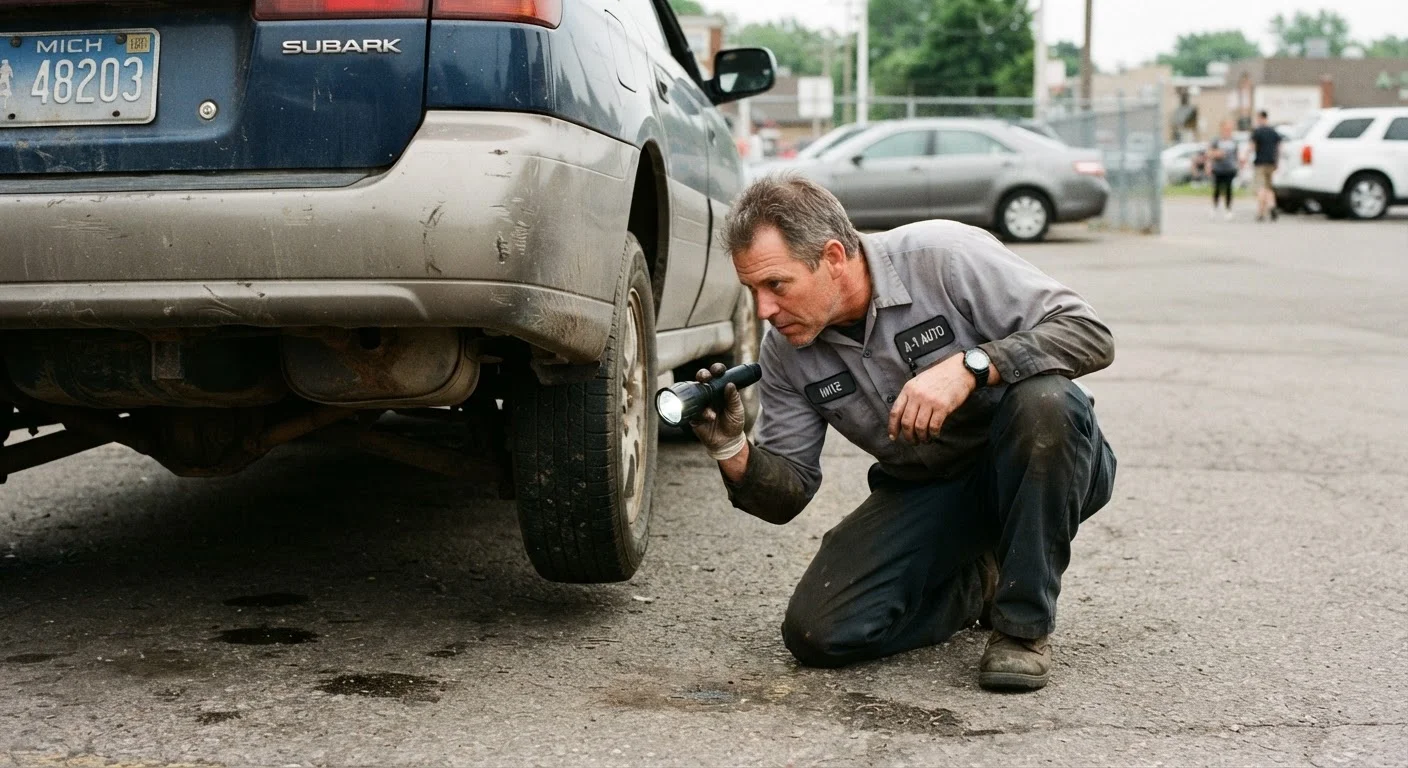
Photo credit: TurboBlogs.net | Explore Blogs At Turbo Speed
In this article
Use this structured checklist to evaluate a car's condition — mechanically, cosmetically, and on paper — before signing anything.
Key Takeaways
- A pre-purchase inspection covers exterior, interior, mechanical, and documentation checks.
- A qualified independent mechanic should inspect any used vehicle before you commit.
- Vehicle history reports are useful but do not replace a physical inspection.
- Dashboard warning lights at startup are immediate red flags that require investigation.
- Skipping this process can lead to costly repairs that outweigh any savings on the purchase price.
Why This Inspection Matters Before You Sign
Buying a used vehicle without a structured inspection is one of the most common - and expensive - mistakes everyday car buyers make. A vehicle may look clean and drive smoothly during a quick test spin, yet carry hidden mechanical faults, undisclosed accident damage, or title complications that only surface after the sale. At that point, the financial and legal leverage you had as a buyer is largely gone.
This checklist is designed to give you a systematic framework for evaluating any used vehicle before committing. It covers four domains: exterior condition, interior condition, mechanical and under-hood inspection, and documentation. Work through each group methodically - ideally on a dry, bright day so you can see clearly - and bring a trusted mechanic whenever possible.
If you're still weighing whether to buy used at all, our guide to new vs. used car ownership trade-offs can help you think through reliability, warranty, and cost factors before you begin shopping.
Never Skip the Independent Mechanic
A seller's own mechanic - or a shop the seller recommends - has a potential conflict of interest. Always choose and contact your own independent mechanic. Many shops offer pre-purchase inspections for a modest flat fee, and that investment routinely uncovers issues worth far more than the cost of the inspection. If a seller refuses to allow an independent inspection, treat that as a serious red flag.
Tools and Resources You'll Need
You don't need a full workshop to run this checklist, but a few basic tools will make the inspection more reliable. Bring the items below to the inspection site, and arrange the mechanic visit in advance - most sellers will accommodate a reasonable request to take the car to a shop for an hour.
Flashlight or work light
Illuminates the undercarriage, engine bay, and dark interior areas to reveal leaks, rust, and hidden damage.
Tread depth gauge
Measures remaining tire tread to assess tire life and detect uneven wear patterns.
Vehicle history report service (e.g., via VIN)
Provides reported accident history, title status, odometer records, and ownership count for the specific vehicle.
Independent mechanic
Performs a professional on-lift inspection to identify mechanical, structural, and safety issues invisible to the untrained eye.
Notepad or inspection checklist printout
Keeps your findings organized and documented so you can compare multiple vehicles or reference notes during negotiation.
OBD-II scanner (basic)
Reads stored diagnostic trouble codes from the vehicle's computer, which may not yet have triggered a visible dashboard warning light.
The Full Inspection Checklist
Work through these groups in order. Check items off as you go, and flag anything that needs clarification or professional assessment. Even a single serious finding in one group can justify walking away or renegotiating the price.
Exterior Condition
Interior Condition
Mechanical and Under-Hood Inspection
Documentation and History
Title Brands Can Be Deal-Breakers
A vehicle with a salvage, flood, or lemon-law buyback title brand carries legal, safety, and resale implications that vary significantly by state. Insuring a branded-title vehicle can be difficult, and some lenders will not finance them. If a history report reveals a title brand, consult with a licensed insurance agent and understand your state's regulations before proceeding - do not assume the vehicle is safe or insurable simply because it is being offered for sale.
Once you've completed the inspection and are ready to move forward, our guide for first-time car owners covers what to set up - insurance, maintenance schedules, and more - before you drive home. And if you'd like a reference for any warning lights that illuminate during your test drive, see our plain-language dashboard warning light guide.
This article is for general informational and educational purposes only. It is not a substitute for a professional mechanical inspection, legal advice, or personalized financial guidance. Always consult a qualified mechanic and, where relevant, a licensed professional before making a vehicle purchase decision.

Author
Autos & Insurance Editorial Team
Autos & Insurance Editorial Team is the collective byline for our editorial team and contributor network. Articles published under this byline or an editorial pen name are researched, written, and reviewed according to our editorial standards for clarity, consistency, and independence before publication.
View all articles →