
New Car vs. Used Car: Weighing the Ownership Trade-Offs
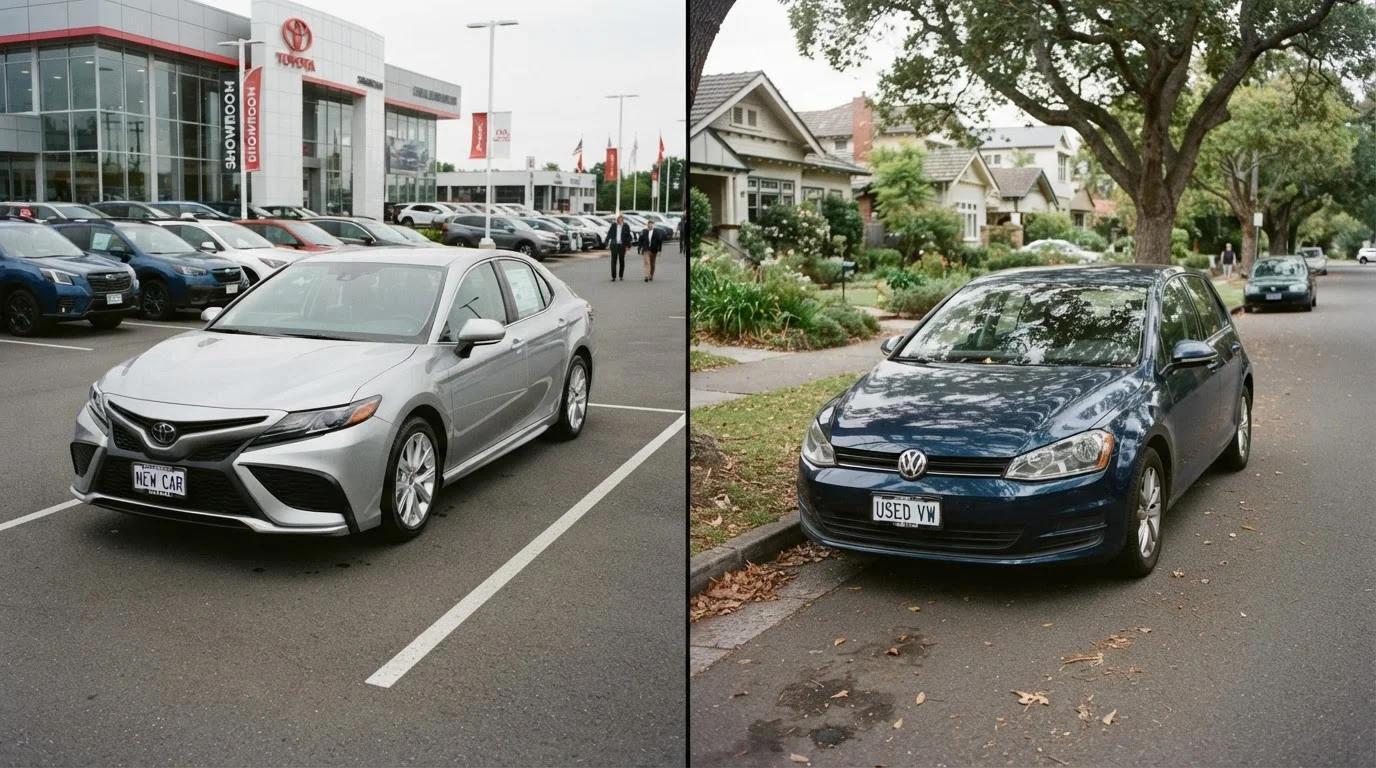
Photo credit: TurboBlogs.net | Explore Blogs At Turbo Speed
In this article
Compare reliability, costs, warranties, and financing realities of buying new versus used to find the fit for your situation.
Key Takeaways
- New cars depreciate significantly in the first one to three years, which benefits used-car buyers.
- New cars typically offer full manufacturer warranties; used cars may have limited or no remaining coverage.
- Financing rates on new vehicles are often lower, but used cars carry a lower principal amount.
- Insurance premiums tend to be higher for new vehicles due to their replacement value.
- A pre-purchase inspection is essential for any used vehicle to uncover hidden mechanical issues.
- Neither choice is universally better - your budget, driving habits, and risk tolerance all matter.
The Depreciation Reality
Depreciation is the single largest cost most car owners never see on a bill. A new vehicle typically loses a substantial portion of its value within the first few years of ownership - industry estimates commonly place first-year depreciation somewhere between 15% and 25% of the purchase price, with the steepest drop occurring the moment the vehicle leaves the lot. By the time a car is three years old, it may have lost roughly 40% to 50% of its original value, depending on the make, model, and market conditions.
For a used-car buyer, this depreciation curve is an advantage. Purchasing a vehicle that is two to four years old means someone else has absorbed that initial value loss. The trade-off is that the used buyer inherits any wear, unreported history, or deferred maintenance from that period. Ordering a vehicle history report and arranging a professional pre-purchase inspection before signing any paperwork is not optional - it is the mechanism that converts an unknown risk into a calculated one.
| Criterion | New Car | Used Car |
|---|---|---|
| Purchase Price | Higher sticker price | Lower entry cost |
| Depreciation Exposure | Absorbs steepest drop | Avoids first-year losses |
| Warranty Coverage | Full manufacturer warranty | Partial, CPO, or none |
| Financing Rates | Often lower promotional rates | Typically higher rates |
| Insurance Premiums | Generally higher | Generally lower |
| Safety Technology | Latest driver-assist systems | Varies by model year |
| Mechanical Risk | Low in warranty period | Higher without inspection |
| Customization Options | Full factory options available | Limited to existing inventory |
Warranties, Reliability, and Repair Exposure
A new vehicle comes with a manufacturer warranty that typically includes a bumper-to-bumper component coverage period (commonly three years or 36,000 miles) and a longer powertrain warranty (often five years or 60,000 miles, though terms vary by automaker). These warranties shift the financial risk of early mechanical failures back to the manufacturer, providing a predictable ownership experience during the coverage window.
Used vehicles present a wider spectrum. A certified pre-owned (CPO) program - offered by many manufacturers through franchised dealers - puts inspected, late-model used vehicles under a manufacturer-backed extended warranty, narrowing the gap with new. A standard used vehicle, however, may be sold with the factory warranty partially or fully expired, placing repair costs entirely on the buyer. This is where total ownership costs diverge from what the sticker price alone suggests.
~20%
Typical first-year depreciation on a new vehicle
Industry analyses consistently place new-car first-year value loss in the 15-25% range, though the exact figure varies by brand and model.
3-4 yrs
Age at which used cars often offer peak value
Vehicles in the three-to-four-year range have cleared their sharpest depreciation while frequently retaining meaningful remaining warranty or CPO eligibility.
Higher APR
Used-car loan rates vs. new-car rates
The Federal Reserve's consumer credit data consistently shows used-car auto loan rates running above comparable new-vehicle financing rates.
Financing and Insurance Costs
Lenders and automakers frequently offer promotional financing rates on new vehicles - sometimes below prevailing market rates - which can reduce the interest burden over the loan term. Used-car loans, by contrast, typically carry higher interest rates, though the lower principal amount often results in a comparable or lower total interest paid over the life of the loan. For a detailed look at how payment structure affects your budget, see our comparison of buying with cash versus financing.
Auto insurance is another line item that shifts with the choice. New vehicles generally cost more to insure because their replacement value is higher and lenders typically require comprehensive and collision coverage for financed vehicles. A used vehicle - especially one owned outright - may allow the owner more flexibility in coverage selection. That said, a newer vehicle's advanced safety features can sometimes qualify for discounts. The auto insurance coverage landscape is worth reviewing alongside any vehicle purchase decision.
Which Path Fits Your Situation
The new-versus-used decision is rarely settled by price alone. A buyer who needs maximum reliability certainty, values the latest active-safety technology, and plans a long ownership horizon may find the new-car premium justifiable. A buyer focused on reducing initial outlay, comfortable with some mechanical uncertainty (and willing to budget for it), and attentive to the depreciation curve will often find a well-chosen used vehicle delivers strong value.
It is also worth considering where a vehicle purchase fits within your broader financial picture. Leasing versus buying introduces yet another axis - and for buyers who may want to revisit their choice every few years, that comparison deserves attention too. Whatever direction you choose, understanding the case for long-term high-mileage ownership can reframe how much the purchase price matters relative to the total life of the vehicle.
This article provides general educational information about vehicle purchasing considerations and is not personalized financial or legal advice. Costs, warranty terms, financing rates, and insurance premiums vary by provider, region, and individual circumstances. Consult a licensed financial adviser or insurance professional before making decisions specific to your situation.

Author
Autos & Insurance Editorial Team
Autos & Insurance Editorial Team is the collective byline for our editorial team and contributor network. Articles published under this byline or an editorial pen name are researched, written, and reviewed according to our editorial standards for clarity, consistency, and independence before publication.
View all articles →