
What Drivers Often Get Wrong About Auto Insurance Coverage
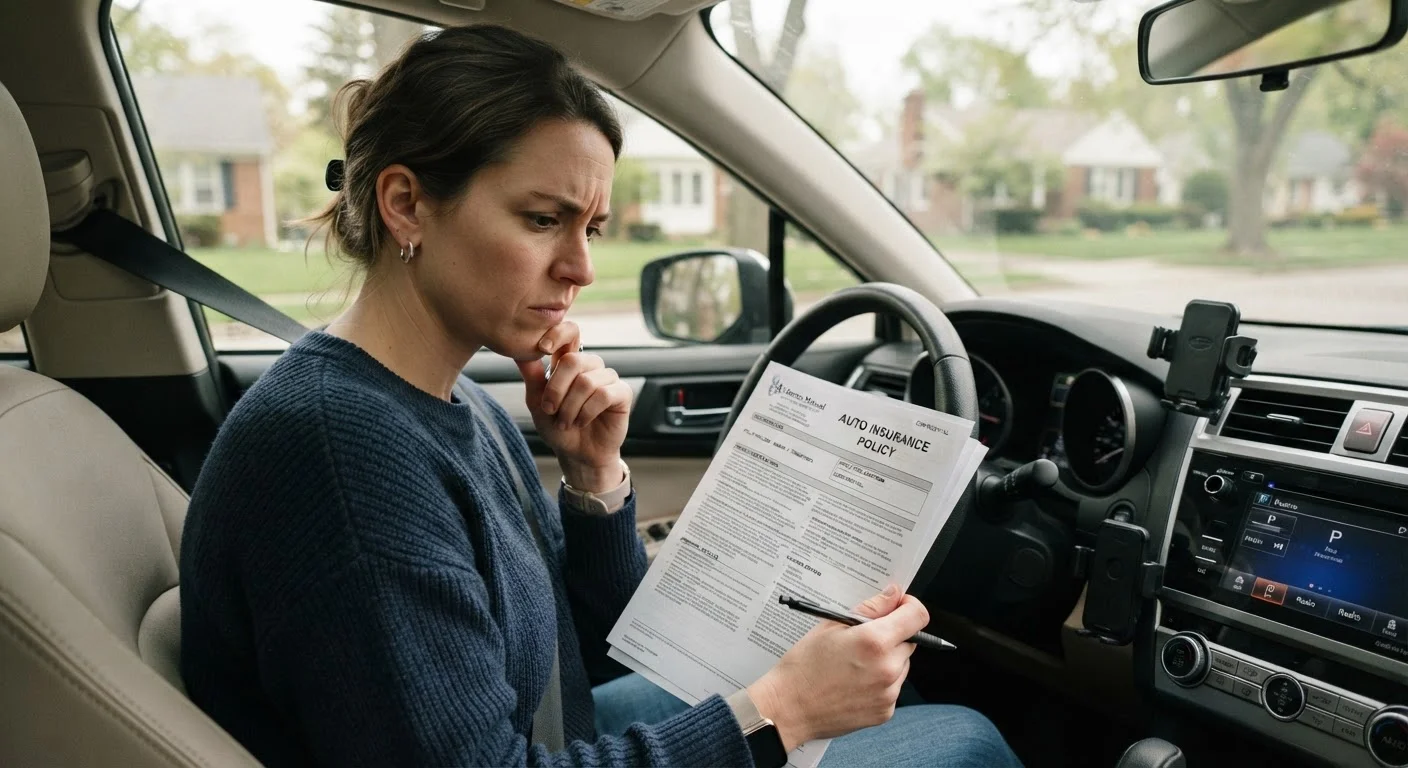
Photo credit: TurboBlogs.net | Explore Blogs At Turbo Speed
Common myths about what car insurance does and doesn't cover — clarified with accurate, straightforward explanations.
Key Takeaways
- Color and vehicle age do not affect your auto insurance premium - your driving record and coverage choices do.
- 'Full coverage' is an informal term and does not guarantee protection against every possible loss.
- Liability insurance covers damage you cause to others, not repairs to your own vehicle.
- Personal auto policies typically exclude business or rideshare use unless specifically endorsed.
- Reading your declarations page and exclusions section is the most reliable way to know what you're actually covered for.
Why Misunderstanding Coverage Is Costly
Most drivers don't think about their auto insurance in detail until they need to file a claim. That's exactly when misconceptions become expensive. A policy that seemed adequate can leave you responsible for thousands of dollars in repairs, medical bills, or legal fees - not because the insurer acted in bad faith, but because coverage was never in place to begin with.
The auto insurance market uses terminology that sounds intuitive but often means something narrower in practice. Terms like "full coverage" or "covered accident" carry specific definitions that differ from their everyday meanings. Understanding those distinctions before an incident - not after - is what separates drivers who are protected from those who only think they are. For a plain-English breakdown of how policies are structured, see how to read your auto insurance policy.
Myth
If I have 'full coverage,' I'm protected against any loss or damage.
Fact
'Full coverage' is an informal phrase - not a defined policy term - and it does not cover every possible scenario.
Insurers don't sell a product called "full coverage." The phrase typically refers to a combination of liability, collision, and comprehensive coverage, but it still has exclusions. Intentional damage, normal wear and tear, mechanical breakdown, and personal belongings left in the car are common examples of what most policies exclude. Review the exclusions section of your policy - not just the declarations page - to understand what is and isn't covered. See common assumptions that leave drivers exposed for more context.
Myth
My liability insurance will pay to fix my own car after an at-fault accident.
Fact
Liability coverage pays for damage you cause to other people and their property - not your own vehicle.
Liability is the coverage most states legally require, and it exists to protect other parties when you are at fault. If you cause a collision, liability pays for the other driver's repairs and medical costs up to your policy limits. Repairing your own vehicle requires collision coverage. Without it, you bear those costs out of pocket. Liability, collision, and comprehensive coverage each serve distinct purposes that work together rather than overlap.
Myth
Red or brightly colored cars cost more to insure.
Fact
Vehicle color has no bearing on auto insurance premiums - insurers don't factor it into rate calculations.
This is one of the most persistent auto insurance myths. Insurers base premiums on factors like your driving record, claims history, ZIP code, vehicle make and model, age, annual mileage, and the coverages you select. Color is not among them. A red sports car may cost more to insure than a beige sedan, but that's because of the vehicle's performance profile and repair costs - not its paint.
Myth
My personal auto policy covers me when I drive for a rideshare or delivery app.
Fact
Standard personal auto policies typically exclude commercial and rideshare use, leaving a significant gap in coverage.
When you're logged into a rideshare or delivery app, you are operating in a commercial capacity. Most personal policies explicitly exclude this. Rideshare companies generally provide some coverage while you have a passenger, but the period between accepting a ride and picking up the passenger - sometimes called Period 1 - is often a gray zone. Many insurers offer rideshare endorsements that fill this gap. If you drive for any app-based platform, disclose it to your insurer and ask what options are available.
Myth
Comprehensive coverage protects me in any accident.
Fact
Comprehensive covers non-collision events - such as theft, weather damage, or fire - not accidents involving another vehicle or object.
The name sounds broad, but comprehensive has a specific scope. It applies to losses caused by events other than a collision: hail, flooding, falling objects, animal strikes, vandalism, and theft are typical examples. If you hit another car, a guardrail, or a tree, that claim falls under collision coverage. Neither comprehensive nor collision is required by law in most states, but lenders often require both when a vehicle is financed or leased. Auto insurance decoded offers a straightforward explanation of how these coverage types interact.
Myth
My friend's insurance automatically covers them when driving my car.
Fact
Auto insurance generally follows the vehicle, not the driver - your policy is typically primary when someone else drives your car.
When you lend your car to a friend, your insurance is usually the first line of coverage if they cause an accident - meaning your deductible applies and a claim could affect your premium. Your friend's policy may serve as secondary coverage, but this varies by insurer and state. Regularly lending your vehicle to someone not listed on your policy is worth discussing with your insurer, as some carriers may require that frequent drivers be added. For unfamiliar terminology in your policy documents, this auto insurance glossary is a useful reference.
Coverage Gaps You May Not Have Considered
Beyond individual myths, there are structural gaps that affect broad categories of drivers. Rideshare drivers, remote workers who use personal vehicles for occasional deliveries, and drivers who lend their car to a family member in another household can all face unexpected exclusions. Standard personal auto policies are designed around personal, non-commercial use - any deviation from that norm warrants a direct conversation with a licensed insurance agent.
Don't Assume Coverage Transfers Between Situations
Switching from personal driving to occasional delivery work, or lending your car to a household member not listed on your policy, can trigger exclusions that void a claim. Always notify your insurer of material changes in how or by whom your vehicle is used. Misrepresentation - even unintentional - can result in a denied claim or policy cancellation.
Similarly, gap insurance - which covers the difference between what your car is worth and what you still owe on a loan - is frequently misunderstood as standard. It is typically optional add-on coverage, not a default feature of any policy. If you financed your vehicle and it's totaled in an accident, your insurer pays actual cash value, which may be less than your remaining loan balance. Understanding the core coverage types can help you identify which protections you may be missing.
1 in 8
Drivers on U.S. roads are uninsured
According to the Insurance Research Council, roughly one in eight motorists drives without any insurance coverage, underscoring the importance of uninsured motorist protection.
~$1,600
Average U.S. annual auto insurance premium
The National Association of Insurance Commissioners reports average annual auto insurance expenditures have risen steadily, making it important to understand exactly what that spending covers.
This article is for general informational purposes only and does not constitute insurance, legal, or financial advice. Coverage terms, exclusions, and availability vary by insurer and state. Consult a licensed insurance professional for guidance specific to your situation.

Author
Autos & Insurance Editorial Team
Autos & Insurance Editorial Team is the collective byline for our editorial team and contributor network. Articles published under this byline or an editorial pen name are researched, written, and reviewed according to our editorial standards for clarity, consistency, and independence before publication.
View all articles →