
Fitness for Adults Over 50: What Changes and What Stays the Same
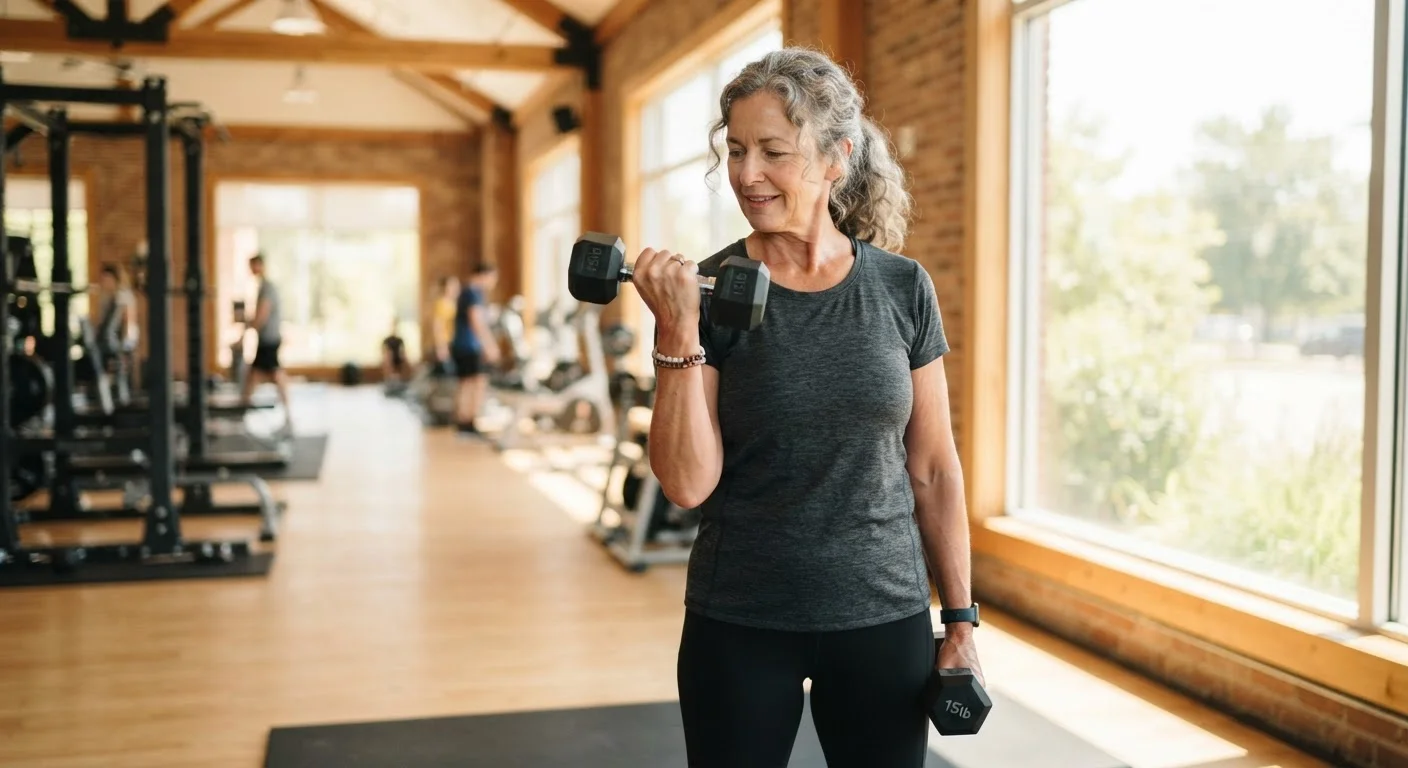
Photo credit: TurboBlogs.net | Explore Blogs At Turbo Speed
In this article
Exercise needs shift as the body ages, but the fundamentals don't disappear. Learn how strength, balance, and cardio work together in later decades.
Key Takeaways
- Muscle loss accelerates after 50, but resistance training can meaningfully slow and even reverse it.
- Cardiovascular exercise remains essential; moderate-intensity options protect joints while preserving heart health.
- Balance training reduces fall risk, one of the leading causes of injury in adults over 65.
- Recovery time increases with age - rest is a productive part of any fitness plan, not an optional extra.
- Always consult a healthcare provider before starting or significantly changing an exercise program after 50.
What Physically Changes After 50
The body after 50 is not a broken version of the body at 30. It is a body operating under a different set of physiological conditions - and understanding those conditions is the first step toward training intelligently.
The most significant age-related change is sarcopenia - the gradual loss of skeletal muscle mass. Research suggests adults can lose 3-8% of muscle mass per decade after age 30, with the rate accelerating after 60. Alongside muscle loss, bone density declines, joints may stiffen, and the cardiovascular system becomes somewhat less efficient at peak exertion. Hormonal shifts - lower testosterone in men, declining estrogen in women after menopause - further influence how the body builds muscle and stores fat.
Reaction time slows modestly, and connective tissue (tendons and ligaments) takes longer to recover from stress. These are real changes, but none of them make exercise inadvisable. In fact, physical inactivity accelerates nearly every one of them.
3-8%
Muscle mass lost per decade after age 30
According to research published in the Journal of Cachexia, Sarcopenia and Muscle, the rate of loss accelerates significantly after age 60.
150 min
Weekly moderate-intensity cardio recommended for adults
The U.S. Department of Health and Human Services Physical Activity Guidelines for Americans recommend this target for most healthy adults, including those over 50.
36 million
Falls experienced by older adults in the U.S. annually
The CDC reports that falls are a leading cause of injury and injury-related death among adults 65 and older, highlighting the importance of balance training.
Understanding what changes also reveals what doesn't: the body's capacity to adapt. Muscle tissue at 70 still responds to resistance stimulus. The cardiovascular system still strengthens with consistent aerobic work. Neurological pathways that govern balance can still be trained.
Strength Training: Still the Cornerstone
If there is one category of exercise the evidence most consistently supports for adults over 50, it is resistance training. Lifting weights - or using resistance bands, bodyweight, or machines - directly counters sarcopenia and supports bone density. The American College of Sports Medicine recommends that older adults engage in muscle-strengthening activities at least two days per week.
The principles covered in our guide to what strength training and cardio each do physiologically apply just as much at 55 as at 35. Progressive overload - gradually increasing the challenge placed on muscles over time - remains the mechanism behind meaningful strength gains at any age.
Prioritize learning the movement pattern before adding load. A well-executed bodyweight squat builds more long-term strength than a poorly performed weighted one.
Movement quality under load is a primary predictor of injury risk; technique errors compound as resistance increases, particularly in adults whose connective tissue recovers more slowly.
If you find a workout consistently feels the same week after week, that is a sign your body has adapted - a small, deliberate increase in resistance or volume is warranted.
Progressive overload is the central mechanism of strength adaptation; without it, training maintains but does not build fitness, limiting the protective benefits of resistance exercise.
Beginners and returning exercisers should start with lower loads and higher repetitions to build movement patterns before adding heavier resistance. Compound movements such as squats, deadlifts, rows, and presses deliver broad functional benefit because they recruit multiple muscle groups simultaneously, mirroring everyday activities like carrying groceries or rising from a chair.
Medical Clearance Matters Here
Adults over 50 with any cardiovascular condition, history of fracture, joint replacement, or chronic disease should consult their physician or a licensed physical therapist before beginning resistance training. This is especially important for those who have been inactive for an extended period. A brief evaluation can identify contraindications and ensure the program is safe and appropriately calibrated.
Cardio: Adjust the Intensity, Not the Habit
Cardiovascular fitness matters enormously for long-term health - heart disease risk, metabolic health, cognitive function, and mood are all influenced by aerobic capacity. What changes after 50 is less about whether to do cardio and more about how to structure it sustainably.
High-intensity exercise remains accessible to many adults over 50, particularly those with a base of fitness, but it warrants more careful management of recovery. Moderate-intensity cardio - brisk walking, cycling, swimming, or dancing - provides substantial benefit with reduced joint stress. Our overview of low-impact exercise options that still deliver real results outlines several effective approaches for those managing joint concerns.
Current public health guidelines recommend that most adults aim for at least 150 minutes of moderate-intensity aerobic activity per week. This target remains appropriate for healthy adults over 50, though individuals with chronic conditions should get personalized guidance from their healthcare provider before setting targets.
“Exercise is the closest thing to a miracle drug we have. Consistent moderate activity across the lifespan produces measurable benefits for virtually every major health outcome - and it is never too late to start.”
— Robert Butler, Founding Director, National Institute on Aging
Balance and Flexibility: The Often-Overlooked Priorities
Falls are among the most serious health risks facing adults over 65, yet balance training is frequently absent from fitness plans designed for older adults. Dedicated balance work - standing on one foot, heel-to-toe walking, stability exercises - trains the neuromuscular system to respond quickly to unexpected shifts in position.
Flexibility, while less linked to injury prevention than once believed, still supports functional range of motion - the ability to reach, bend, and turn without pain or restriction. Yoga and tai chi have been studied for their combined balance, flexibility, and stress-management benefits in older populations, with generally positive findings for fall prevention.
Try Tai Chi for Balance and Calm
Tai chi is one of the most well-studied interventions for fall prevention in older adults. It combines slow, deliberate movements with breathing and focus, making it accessible regardless of prior fitness experience. Many community centers and libraries offer free or low-cost classes.
It is also worth addressing a common misconception: flexibility work alone will not prevent injury if strength and stability are lacking. The most effective approach integrates all three - strength, cardiovascular fitness, and balance/mobility - rather than treating them as competing priorities. Our article on fitness myths and what the evidence actually shows addresses several related misunderstandings in depth.
Recovery, Rest, and Listening to Your Body
One of the most consequential adjustments for adults over 50 is building adequate recovery into a fitness plan. Muscle protein synthesis - the process by which the body repairs and builds muscle tissue after exercise - takes longer as we age. Training hard seven days a week is a recipe for cumulative fatigue and increased injury risk, not faster progress.
Rest days are not a sign of insufficient commitment. They are a physiological requirement. Many fitness professionals recommend that adults over 50 allow 48 hours of recovery between sessions targeting the same muscle groups. Sleep quality also directly influences muscle recovery and hormonal regulation, making it a genuine component of a training plan rather than an afterthought.
Pain is not a reliable training signal. Muscle fatigue and mild soreness are normal; sharp joint pain, persistent discomfort, or pain that changes your movement patterns are signals to stop and seek guidance. The adage 'no pain, no gain' does not apply here - or, as evidence suggests, anywhere.
Getting Started Safely: Practical Guidance
Adults who have been sedentary, or who have chronic conditions such as hypertension, type 2 diabetes, osteoporosis, or heart disease, should speak with a healthcare provider before beginning a new exercise program. This is not a bureaucratic formality - it allows for appropriate screening and any necessary exercise modifications. In some cases, a physical therapist or certified exercise physiologist can design a program around specific limitations.
For those returning after a gap, starting lower than you think necessary - in terms of weight, duration, and intensity - and building progressively is far more effective than starting aggressively and being sidelined by injury. Nutrition also interacts closely with fitness outcomes; see our overview of how dietary needs shift across life stages for context on how protein needs, in particular, change with age and activity level.
The fundamentals of fitness - consistency, progressive challenge, adequate recovery, and nutritional support - do not change after 50. What changes is how those fundamentals are applied. That is a meaningful distinction, and one that makes fitness genuinely accessible at any age.
This article is for general informational and educational purposes only and does not constitute medical advice. Consult a qualified healthcare professional before starting or significantly modifying an exercise program, particularly if you have existing health conditions or concerns.
Go4Life - National Institute on Aging
The NIA's Go4Life program offers evidence-based exercise guides, video demonstrations, and tip sheets specifically designed for older adults, covering strength, balance, flexibility, and endurance.
ACSM Exercise Guidelines for Older Adults
The American College of Sports Medicine publishes detailed, evidence-backed recommendations on exercise type, frequency, and intensity for adults over 50, including those with common chronic conditions.
CDC Healthy Aging Physical Activity Resources
The Centers for Disease Control and Prevention maintains a collection of tools and information on physical activity for older adults, including fall prevention programs and community exercise resources.

Author
Health & Wellness Editorial Team
Health & Wellness Editorial Team is the collective byline for our editorial team and contributor network. Articles published under this byline or an editorial pen name are researched, written, and reviewed according to our editorial standards for clarity, consistency, and independence before publication.
View all articles →