
Nutrition Through the Life Stages: How Dietary Needs Shift Over Time
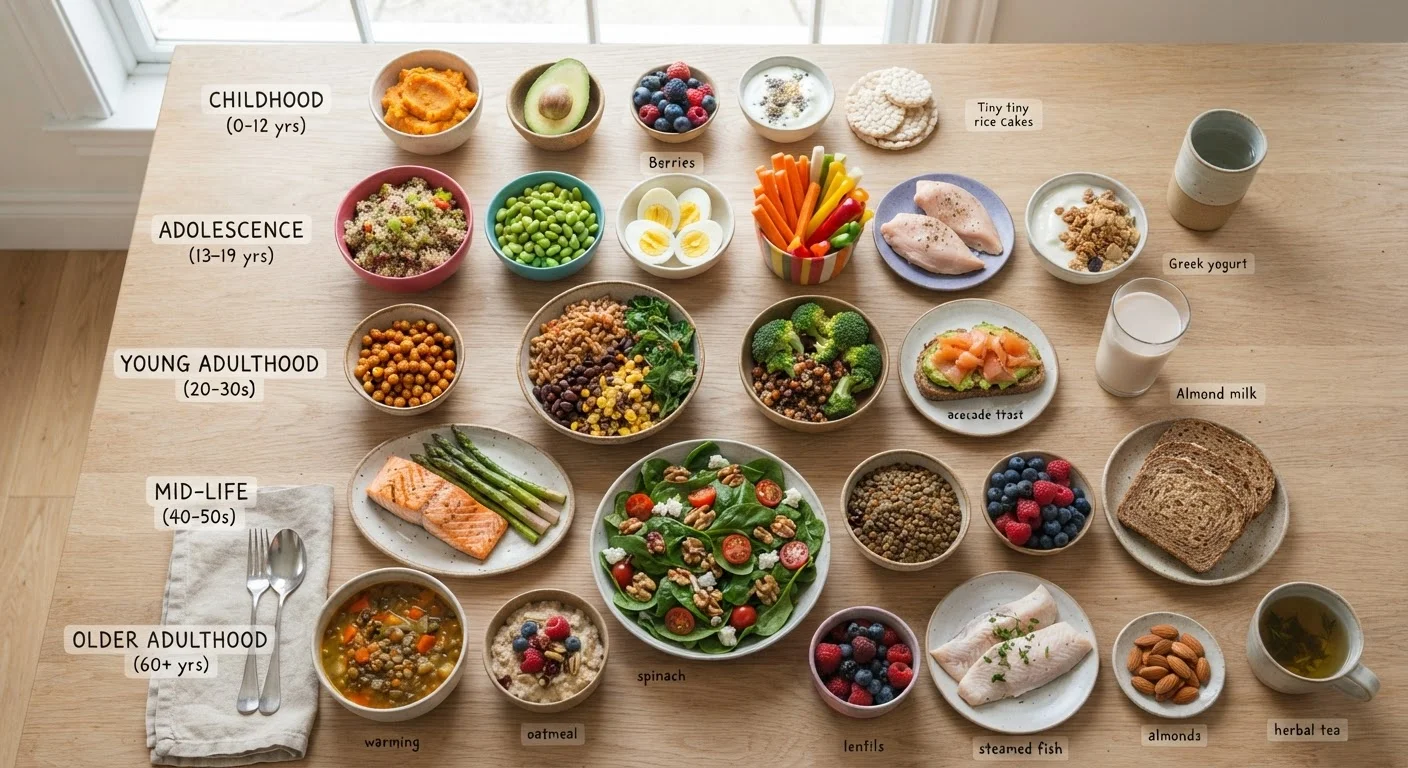
Photo credit: TurboBlogs.net | Explore Blogs At Turbo Speed
In this article
An overview of how key nutrient requirements change from childhood through older adulthood, with notes on when professional guidance matters most.
Key Takeaways
- Calorie, protein, and micronutrient needs change meaningfully from childhood through older adulthood.
- Key life transitions - adolescence, pregnancy, and aging - each introduce specific nutritional priorities.
- Vitamin D, calcium, iron, and B12 are among the nutrients most likely to become inadequate at particular life stages.
- A registered dietitian can offer personalized guidance when general recommendations don't fit individual circumstances.
- Consistent, balanced eating patterns provide more benefit than focusing on any single nutrient or food.
Why Nutrient Needs Change Over a Lifetime
The human body is not static. From rapid early growth to the gradual shifts of aging, physiology continuously changes - and dietary needs follow suit. What constitutes adequate nutrition at age eight looks quite different from what's needed at age forty or seventy-five.
These changes are driven by several overlapping factors: growth rate, hormonal environment, metabolic rate, physical activity level, and changes in how the gut absorbs key nutrients. The U.S. Dietary Reference Intakes (DRIs), published by the National Academies of Sciences, Engineering, and Medicine, establish different recommended amounts for vitamins, minerals, and macronutrients across age and sex groups precisely because of this variability.
Understanding these shifts doesn't require becoming a nutrition scientist. It does, however, help to know which life transitions tend to bring the most significant changes - and which nutrients deserve extra attention at each stage. For a grounding in the fundamentals that apply across all life stages, see our guide to building a balanced plate.
90%
Peak bone mass achieved by early adulthood
According to the National Institutes of Health, approximately 90% of peak bone mass is established by age 18-20, underscoring the importance of calcium intake during childhood.
~95%
U.S. adults falling short on fiber
Data from the Dietary Guidelines for Americans indicate that dietary fiber is one of the most widespread nutrient shortfalls among American adults of all ages.
1 in 6
Older adults with B12 deficiency risk
Research published in the American Journal of Clinical Nutrition estimated that vitamin B12 deficiency or marginal status affects a substantial share of adults over 60, largely due to impaired absorption.
Childhood and Adolescence: Building the Foundation
The years from birth through late adolescence represent the most intensive period of physical growth the body will ever experience. During this time, the skeleton is forming, lean muscle mass is accumulating, and the brain is developing rapidly - all of which place high demands on specific nutrients.
Key nutrients in focus
- Calcium and Vitamin D: These two nutrients work together to drive bone mineralization. Roughly 90% of peak bone mass is established by early adulthood, making calcium intake during childhood and adolescence particularly consequential. Dairy products, fortified plant milks, and leafy greens are common dietary sources.
- Iron: Adolescent girls who have begun menstruating have meaningfully higher iron requirements than their male peers. Iron supports red blood cell production and cognitive function. Lean meats, beans, and iron-fortified cereals are important sources.
- Protein: Supports muscle and tissue growth. Requirements, expressed per kilogram of body weight, are higher during childhood relative to adult needs.
Eating patterns established in childhood often shape long-term food preferences and habits. Encouraging variety - vegetables, whole grains, fruit, lean proteins, and dairy or fortified alternatives - sets a durable nutritional foundation. Our quick-reference guide to key micronutrients covers these nutrients in more detail.
When reviewing a child's diet, prioritize variety over perfection - a wide range of whole foods across the week does more for nutrient adequacy than any single 'superfood.'
Nutrient needs in childhood span a broad array of vitamins and minerals, and no single food covers them all. Dietary variety remains the most consistently supported strategy in pediatric nutrition research.
In older adulthood, distributing protein evenly across meals - rather than concentrating it at dinner - may better support muscle protein synthesis throughout the day.
Studies suggest that muscle tissue in older adults responds more effectively to moderate, evenly spaced protein intake compared to a single large dose, making meal distribution a meaningful practical consideration.
Adulthood: Maintaining What You've Built
For most adults in their twenties through mid-forties, nutritional priorities shift from growth to maintenance - protecting what's been built while supporting energy, cognitive function, and long-term disease risk reduction. Metabolic rate tends to gradually decline starting in early adulthood, meaning calorie needs often decrease modestly while the need for nutrient-dense foods remains.
Practical priorities for adults
- Fiber: Most American adults consume significantly less fiber than recommended. Fiber supports digestive health, helps regulate blood sugar, and is associated with reduced cardiovascular risk. Legumes, whole grains, fruits, and vegetables are the most reliable sources.
- Healthy fats: Unsaturated fats from foods like olive oil, nuts, seeds, and fatty fish support heart health and inflammation regulation.
- Micronutrient consistency: Deficiencies in magnesium, potassium, and vitamin D are common among U.S. adults, often due to low intake of vegetables, dairy, and fish.
Regular physical activity interacts closely with nutrition during this life stage. For guidance on staying active, visit the Fitness & Movement hub.
Pregnancy and Breastfeeding: Elevated Demands
Pregnancy and lactation represent two of the highest-demand periods for nutrient intake across the entire lifespan. The body is supporting its own needs while simultaneously nourishing a developing fetus or infant.
Do Not Self-Manage Prenatal Supplementation
Nutrient needs during pregnancy are significantly elevated and highly individualized. Taking high doses of certain vitamins - including vitamin A - can be harmful to fetal development. Supplementation decisions during pregnancy and breastfeeding should always be made in consultation with an OB-GYN, midwife, or registered dietitian, not based on general guidance alone.
Nutrients that increase substantially
- Folate (Vitamin B9): Adequate folate in the early weeks of pregnancy is associated with reduced risk of neural tube defects. Many health authorities recommend folic acid supplementation beginning before conception.
- Iron: Blood volume expands considerably during pregnancy, increasing iron requirements. Low iron stores are among the most common nutrition-related concerns in pregnancy.
- Iodine: Critical for fetal thyroid development and brain formation. Found in dairy, seafood, and iodized salt.
- Choline: Supports fetal brain development; requirements increase during both pregnancy and breastfeeding.
- Calcium and Vitamin D: Fetal bone development draws heavily on maternal stores if dietary intake is insufficient.
Because individual needs vary and supplementation decisions should be personalized, pregnant and breastfeeding individuals are encouraged to work with an OB-GYN, midwife, or registered dietitian rather than relying solely on general guidelines.
Older Adulthood: Shifting Priorities
From approximately age 65 onward, a convergence of physiological changes reshapes nutritional needs in meaningful ways. Appetite often decreases - due to changes in taste, smell, medications, or social factors - while certain nutrient requirements either remain stable or increase.
The central challenge: less food, same (or greater) needs
- Protein: Research suggests older adults may need more protein per kilogram of body weight than younger adults to preserve muscle mass and functional strength - a condition called sarcopenia (age-related muscle loss) is a significant concern.
- Vitamin B12: Absorption of B12 from food declines with age due to reduced stomach acid production. Deficiency can affect nerve function and cognitive health. Fortified foods and supplements may be appropriate - discuss with a healthcare provider.
- Vitamin D and Calcium: The skin becomes less efficient at synthesizing vitamin D from sunlight, and bone density loss accelerates - particularly in postmenopausal women.
- Hydration: The sense of thirst diminishes with age, raising the risk of chronic low-level dehydration.
Nutrition and movement are closely intertwined in this stage. See our article on fitness for adults over 50 for a complementary perspective on staying strong and active in later decades.
When to Seek Professional Guidance
General nutritional guidelines provide a useful starting point, but they are population averages - not individualized prescriptions. Several circumstances call for a closer look with a qualified professional:
- Managing a chronic condition such as diabetes, kidney disease, or cardiovascular disease
- Navigating dietary restrictions or eating patterns that may create gaps (strict veganism, food allergies, very low-calorie diets)
- Pregnancy, breastfeeding, or planning a pregnancy
- Unexplained fatigue, weight changes, or other symptoms that may have a nutritional component
- Concerns about a child's growth or eating behavior
A registered dietitian (RD or RDN) is the most appropriate professional for individualized nutrition guidance. Primary care physicians and other specialists are also important partners, particularly when nutrition intersects with medical treatment.
Dietary Reference Values Are Population Averages
The Recommended Dietary Allowances (RDAs) and other DRI values represent intakes sufficient to meet the needs of most healthy individuals in a given group - they are not precise individual targets. Factors including genetics, activity level, medications, and health status all affect how much of any given nutrient a specific person actually needs. Use these figures as general benchmarks, not personal prescriptions.
For anyone just starting to think more intentionally about what they eat, our introduction to eating healthier is a practical first step. And if cost is a concern, eating well on a budget offers evidence-grounded strategies for getting solid nutrition without overspending.
This article is for general informational and educational purposes only. It is not a substitute for professional medical or dietary advice. Always consult a qualified healthcare provider for guidance tailored to your individual health circumstances.

Author
Health & Wellness Editorial Team
Health & Wellness Editorial Team is the collective byline for our editorial team and contributor network. Articles published under this byline or an editorial pen name are researched, written, and reviewed according to our editorial standards for clarity, consistency, and independence before publication.
View all articles →