
Eating Well on a Budget: Food Choices That Stretch Further
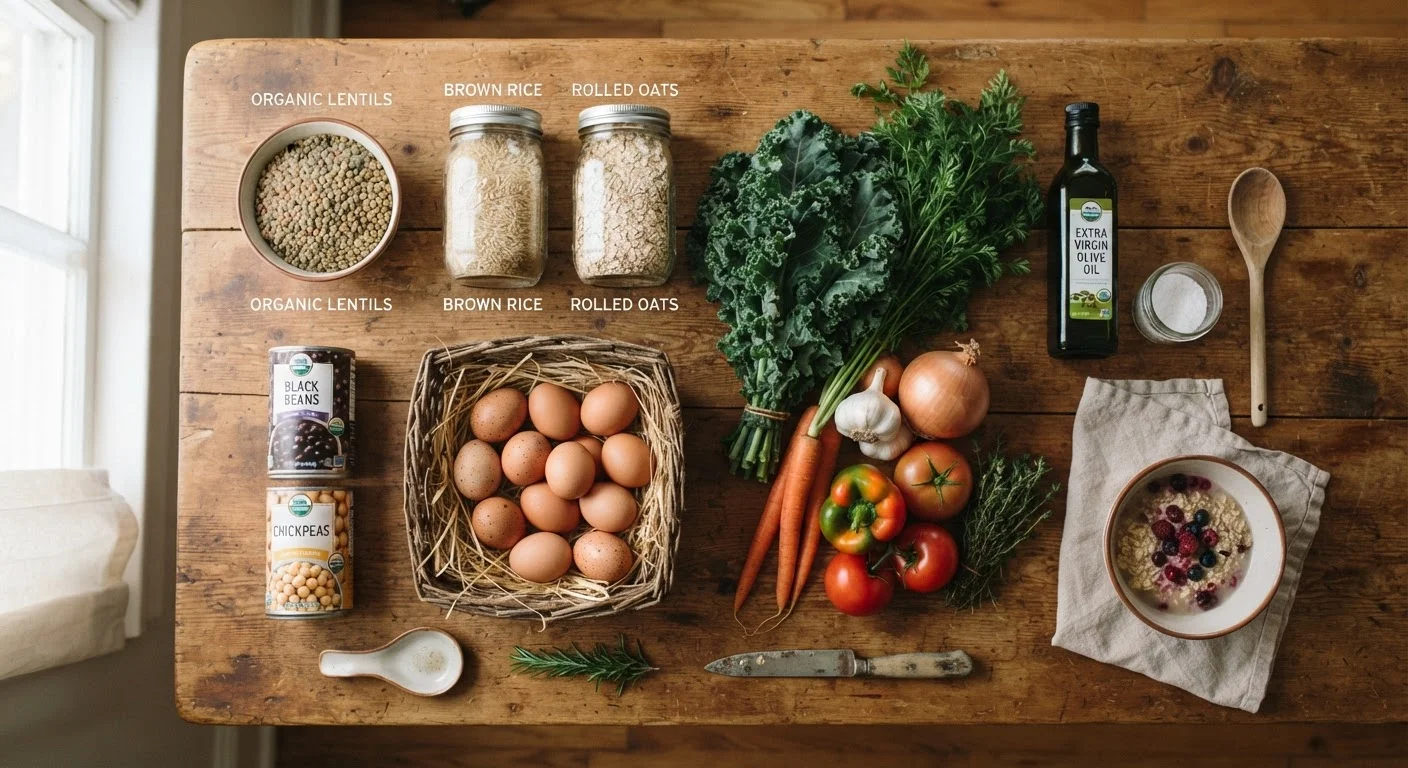
Photo credit: TurboBlogs.net | Explore Blogs At Turbo Speed
Practical strategies for getting solid nutrition without overspending, from pantry staples to smarter grocery planning habits.
Key Takeaways
- Legumes, eggs, oats, and canned fish deliver strong nutrition at consistently low cost per serving.
- Buying whole foods and preparing them at home typically costs less than ultra-processed convenience alternatives.
- Meal planning before grocery shopping reduces both food waste and impulse spending significantly.
- Frozen fruits and vegetables are nutritionally comparable to fresh and often cheaper year-round.
- Store-brand staples and bulk dry goods can cut costs without sacrificing dietary quality.
- A few versatile pantry items can form the backbone of many different balanced meals throughout the week.
Good Nutrition Doesn't Require a Premium Grocery Budget
The idea that eating well is expensive is understandable - produce displays at eye level, specialty health foods with premium pricing, and constant marketing of functional beverages can make nutritious eating feel like a luxury. But the evidence doesn't support that conclusion. Many of the most nutrient-dense foods available - dried beans, oats, eggs, frozen spinach, canned tomatoes - rank among the lowest-cost items in any grocery store.
The challenge isn't access to cheap nutritious food so much as knowing which foods to prioritize, how to plan around them, and where grocery spending tends to quietly balloon. If you're also working on the bigger financial picture, the Complete Guide to Personal Budgeting offers a useful framework for bringing food costs into a broader spending plan.
Below are seven practical strategies grounded in nutrition science and everyday grocery economics - not fads, not deprivation, just smarter choices about where food dollars go.
Build meals around legumes
Dried and canned beans, lentils, and chickpeas consistently rank among the best nutritional values in the grocery store. They provide protein, dietary fiber, iron, and complex carbohydrates at a fraction of the cost of most animal proteins. A pound of dried lentils yields multiple servings and can anchor soups, stews, salads, and grain bowls alike.
Research consistently associates legume consumption with markers of cardiovascular and metabolic health. For a detailed look at how plant proteins compare to animal sources nutritionally, see Protein Sources Compared.
Dried lentils and beans deliver protein, fiber, and iron at one of the lowest costs per serving available.
Make frozen produce a staple, not a backup
Frozen vegetables and fruits are harvested at peak ripeness and flash-frozen, which preserves most of their nutritional content. Studies comparing fresh and frozen produce have generally found similar vitamin and mineral profiles - and frozen is often significantly cheaper, especially for out-of-season items like blueberries, edamame, broccoli, and spinach.
Frozen produce also reduces waste, since it doesn't spoil in the back of the refrigerator. Keeping a well-stocked freezer means nutrient-dense ingredients are always available without timing a trip to the store around freshness windows.
Flash-frozen vegetables retain most of their nutrients and cost less than fresh out-of-season produce.
Prioritize whole grains over refined alternatives
Oats, brown rice, barley, and whole wheat pasta are affordable, filling, and meaningfully more nutritious than their refined counterparts. Whole grains retain the bran and germ, delivering fiber, B vitamins, and minerals that are largely stripped in processing. They also tend to promote satiety more effectively, which can reduce overall food consumption.
Oats in particular offer exceptional value - a large container of rolled oats provides dozens of servings at low cost and requires minimal preparation. For more on why fiber matters and which foods provide it most efficiently, see Dietary Fiber: Why Most Americans Fall Short.
Whole grains like oats and brown rice deliver fiber and B vitamins while keeping food costs low.
Use eggs as a flexible, affordable protein
Eggs remain one of the most complete and affordable protein sources available, supplying all essential amino acids along with choline, vitamin D, and B12. They're also fast to prepare and adaptable across breakfast, lunch, and dinner. A dozen eggs at typical grocery prices provides protein at a cost that is difficult to match with most other animal foods.
For households watching spending, eggs are one of the most reliable nutrition-to-cost performers in any grocery category.
Eggs deliver complete protein and key micronutrients at a cost few other foods can match.
Plan meals before you shop
Shopping without a plan is one of the most consistent drivers of food budget overruns. Impulse purchases, duplicated items, and ingredients bought for a recipe that never gets made all contribute to both overspending and food waste. Research on household food waste suggests Americans discard a significant portion of the food they buy - often produce and proteins that weren't incorporated into a plan.
A weekly meal plan doesn't need to be rigid. Even identifying five or six dinners and the shared ingredients across them creates a shopping list that dramatically reduces waste and redundant spending. This approach also pairs naturally with the value-first shopping framework for broader consumer decisions.
A simple weekly meal plan reduces food waste and keeps grocery spending aligned with what you'll actually eat.
Choose store-brand and bulk dry goods strategically
Store-brand versions of pantry staples - canned tomatoes, olive oil, dried pasta, nut butters - are typically produced to the same standards as name-brand equivalents and cost noticeably less. For shelf-stable dry goods, buying in larger quantities from bulk sections can lower the per-serving cost further, provided the amount purchased will realistically be used before quality degrades.
Bulk buying isn't always the better deal, though. Perishables, specialty items, and things bought purely because of a per-unit price - rather than actual anticipated use - can result in waste that offsets the savings. The article Why Buying in Bulk Isn't Always the Frugal Move works through when it makes sense.
Store-brand pantry staples and bulk dry goods often match name-brand quality at a lower price per serving.
Reduce reliance on ultra-processed convenience foods
Pre-packaged snacks, frozen meals, flavored instant products, and heavily marketed health foods are often among the most expensive items per calorie or per gram of useful nutrition in any grocery store. They're also frequently high in sodium, added sugars, and refined starches relative to their nutrient density.
Cooking simple meals from whole ingredients doesn't require culinary skill - rice and beans with vegetables, oatmeal with fruit, eggs with frozen greens, or canned fish with whole grain crackers are fast, affordable, and nutritionally sound. For readers newer to building these habits, Starting to Eat Healthier When You Don't Know Where to Begin offers a practical entry point, and Building a Balanced Plate provides guidance on portioning food groups effectively.
Cooking from whole ingredients almost always costs less per serving than packaged convenience foods while delivering better nutrition.
Putting It All Together
Budget-conscious eating is ultimately about building habits around a core set of affordable, versatile ingredients and reducing the friction that sends people toward expensive convenience food. That means keeping a stocked pantry, planning meals before shopping, and understanding that nutritional quality and price don't move in the same direction as often as food marketing implies.
Start With a Five-Item Pantry Core
If you're building from scratch, focus on stocking five foundational items: dried or canned beans, oats, brown rice, canned tomatoes, and eggs. These alone can anchor a wide variety of balanced, low-cost meals. Once those are habitual purchases, adding frozen vegetables, whole grain pasta, and canned fish builds a complete foundation without requiring a large upfront investment.
For a deeper look at how to evaluate what you're already working with at home, the Pantry Audit guide walks through a practical kitchen inventory process. And if navigating nutrition labels at the store feels overwhelming, Reading a Nutrition Label Without the Guesswork breaks down exactly what each section tells you.
This article is for general informational and educational purposes only and is not medical or dietary advice. Individual nutritional needs vary. Consult a registered dietitian or qualified healthcare professional before making significant changes to your diet, especially if you have an existing health condition.

Author
Health & Wellness Editorial Team
Health & Wellness Editorial Team is the collective byline for our editorial team and contributor network. Articles published under this byline or an editorial pen name are researched, written, and reviewed according to our editorial standards for clarity, consistency, and independence before publication.
View all articles →