
Pantry Audit: Stocking a Kitchen That Supports Healthier Eating
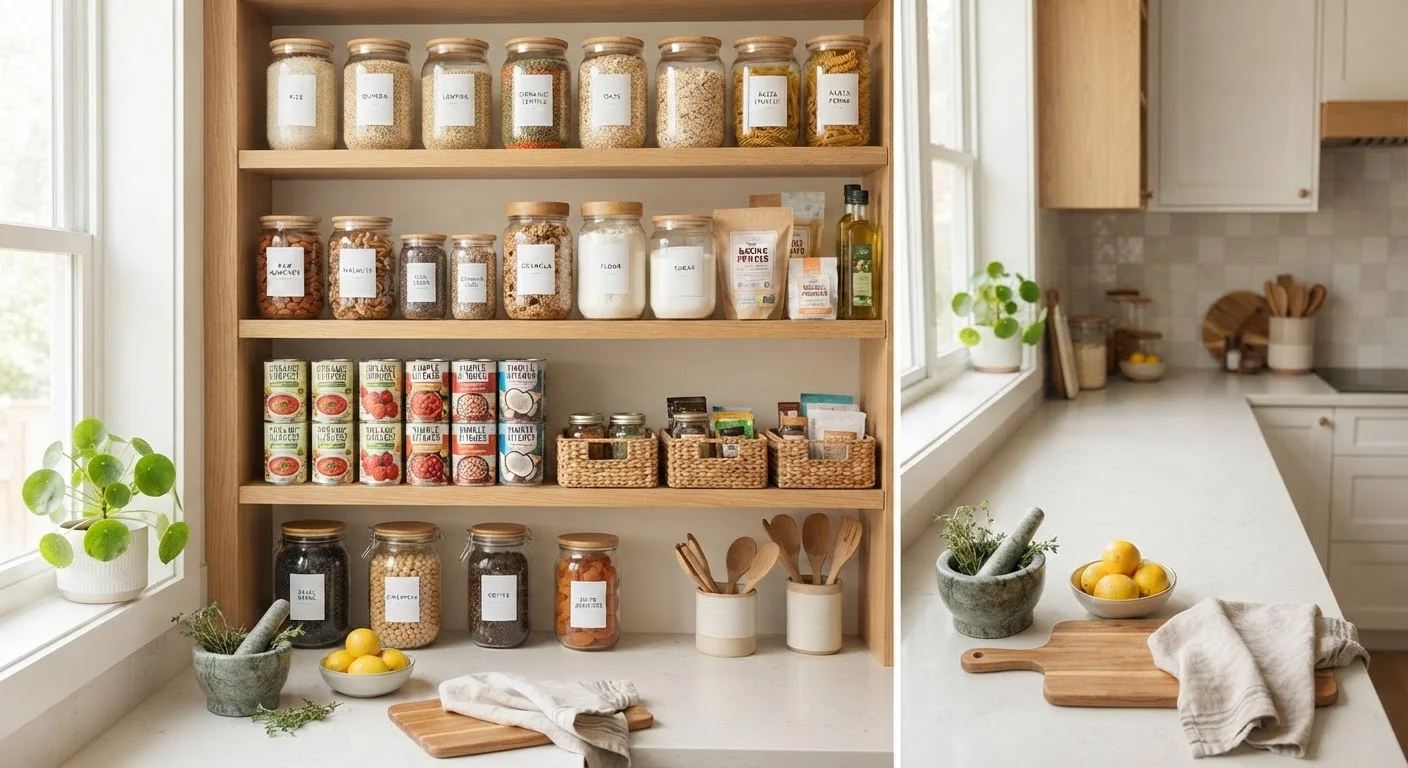
Photo credit: TurboBlogs.net | Explore Blogs At Turbo Speed
In this article
A practical checklist to evaluate what's in your kitchen—what to keep, reconsider, and add to support more nutritious everyday cooking.
Key Takeaways
- A pantry audit helps you identify gaps, reduce waste, and make nutritious cooking more convenient.
- Whole grains, legumes, and healthy fats form the nutritional backbone of a well-stocked pantry.
- Reducing ultra-processed staples doesn't require perfection - small, consistent swaps add up.
- Reading nutrition labels helps you compare similar products and make more informed choices.
- Your pantry directly shapes your daily food decisions, so making it work for you is a high-leverage habit.
Why Your Pantry Shapes What You Eat
Nutrition research consistently shows that our food environment - what's visible, accessible, and easy to prepare - influences what we actually eat day to day. A pantry stocked with ultra-processed snacks and refined grains doesn't make healthy eating impossible, but it does make it harder. Conversely, a pantry built around versatile whole-food staples lowers the effort required to put a nutritious meal together on a busy weeknight.
This checklist is designed to help you take a clear-eyed look at what's currently in your kitchen, evaluate what's genuinely useful, and identify practical additions. It's not about throwing everything out or achieving a perfectly "clean" pantry - it's about building a realistic foundation. For broader context on what balanced eating actually looks like day to day, see our guide on building a balanced plate.
If you're just starting to think more intentionally about nutrition, you may also find it helpful to read Starting to Eat Healthier When You Don't Know Where to Begin before diving in.
Assess What You Have
Whole Grains and Dry Staples
Canned and Packaged Goods
Oils, Vinegars, and Condiments
Herbs, Spices, and Flavor-Builders
Snacks and Convenience Items
Tools You'll Need for the Audit
Before you begin pulling items off shelves, gather a few basic supplies to make the process efficient. The goal is to finish in a single session - most people complete a thorough audit in under an hour.
Notepad or digital list app
Record items to discard, products to replace, and ingredients you need to add during the audit.
Permanent marker
Mark the opening date on items like oils, nut butters, and spice jars so you can track freshness going forward.
Kitchen scale
Useful for weighing bulk dry goods and verifying that serving sizes on labels match what you're actually using.
Airtight storage containers
Transfer dry goods like grains, lentils, and nuts into sealed containers to extend shelf life and reduce clutter.
Once you have your tools ready, work through one pantry section at a time: canned goods, dry goods, condiments and sauces, oils and vinegars, snacks, and spices. This zone-by-zone approach prevents the audit from feeling overwhelming.
What to Look for When Evaluating Labels
A significant part of a pantry audit involves reading the labels on packaged products you already own. Several things deserve a close look:
- Ingredient list length and recognizability: A shorter list of recognizable ingredients often - though not always - signals less processing.
- Sodium content: Canned goods, sauces, and condiments are common sources of excess sodium. Look for lower-sodium versions when comparable products are available.
- Added sugars: These appear under many names (cane syrup, dextrose, maltose, fruit juice concentrate). The Nutrition Facts panel now lists added sugars separately from total sugars, which makes comparison easier.
- Fiber content: Whole grain products, legumes, and certain cereals provide meaningful fiber. Products with at least 3 grams of fiber per serving are generally considered a good source.
For a full walkthrough of how to read and use nutrition labels effectively, our article on reading a nutrition label without the guesswork covers each section in practical detail.
"Healthy" Labels Don't Tell the Whole Story
Terms like "natural," "multigrain," or "light" on food packaging are marketing descriptors, not regulated nutritional standards. A product labeled "multigrain" may still be made primarily from refined flour. Always check the ingredient list and Nutrition Facts panel rather than relying on front-of-package claims. When in doubt, the first few ingredients listed carry the most weight - ingredients are listed in descending order by quantity.
After completing your audit, use your findings to build a smarter shopping list. Our guide to building a shopping list that actually holds up in the store can help you translate pantry gaps into a structured, impulse-resistant list. And if budget is a concern, Eating Well on a Budget offers practical strategies for stocking a nutritious kitchen without overspending.
This article is for general informational and educational purposes only and is not a substitute for personalized nutrition or medical advice. Consult a registered dietitian or qualified healthcare professional for guidance tailored to your individual health needs and circumstances.

Author
Health & Wellness Editorial Team
Health & Wellness Editorial Team is the collective byline for our editorial team and contributor network. Articles published under this byline or an editorial pen name are researched, written, and reviewed according to our editorial standards for clarity, consistency, and independence before publication.
View all articles →