
Caulk, Weatherstripping, and Foam: Sealing a Drafty Home the Right Way
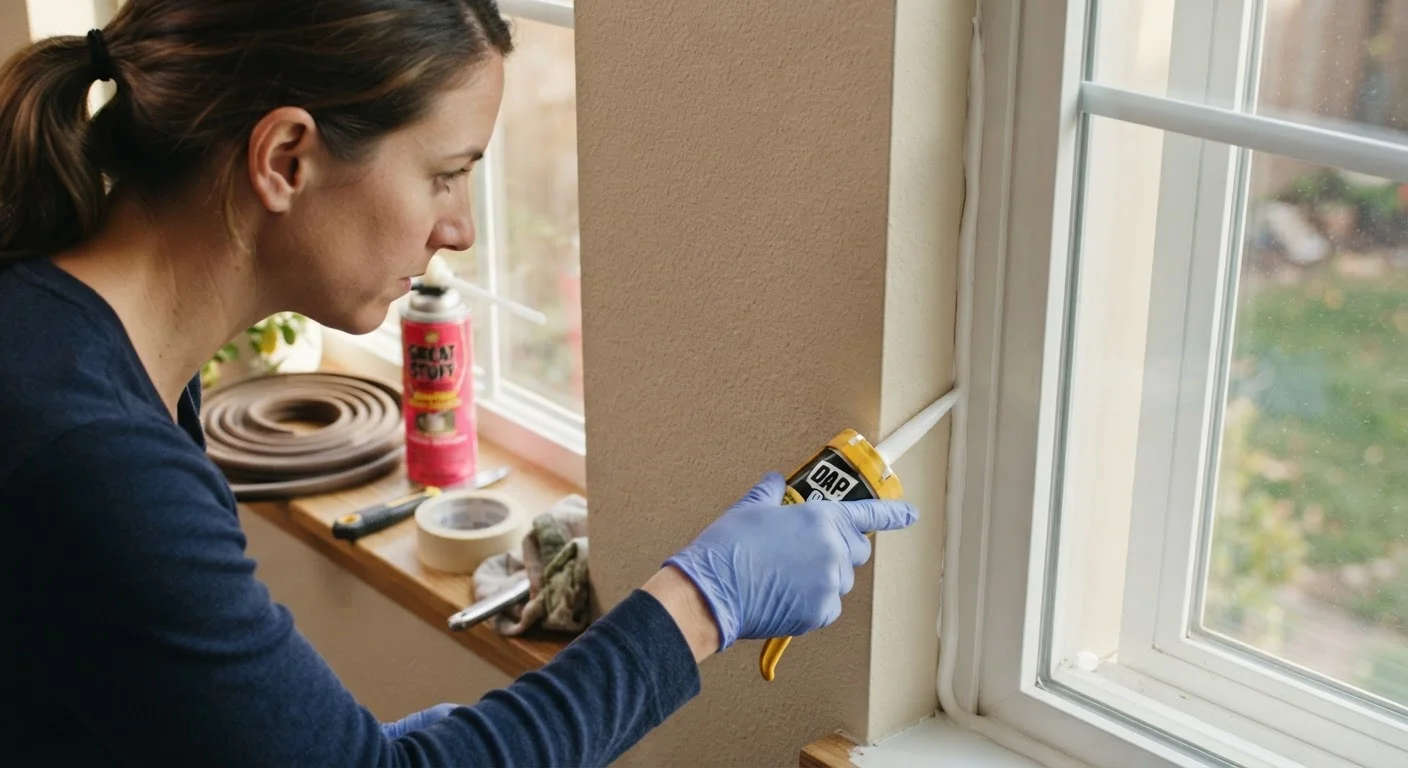
Photo credit: TurboBlogs.net | Explore Blogs At Turbo Speed
In this article
Learn which air-sealing material works best for different gaps and surfaces, and how proper sealing improves comfort and energy efficiency.
Key Takeaways
- Caulk is best for stationary gaps around windows, doors, and plumbing penetrations.
- Weatherstripping handles movable joints - doors and operable windows that open and close.
- Expanding spray foam excels at larger, irregular gaps in framing, basement rims, and attic penetrations.
- Using the wrong material for a given application reduces effectiveness and can cause premature failure.
- Air sealing is one of the highest-return maintenance tasks a homeowner can perform.
Why Air Sealing Matters More Than Most Homeowners Realize
Drafts aren't just uncomfortable - they're expensive. The U.S. Department of Energy estimates that air leakage through gaps, cracks, and unsealed penetrations can account for 25 to 40 percent of a home's heating and cooling energy loss. Unlike insulation, which slows heat transfer, air sealing physically blocks the pathways through which conditioned air escapes and unconditioned outdoor air enters.
The challenge is that air leaks occur in dozens of locations simultaneously: around window frames, beneath door thresholds, where plumbing and wiring pierce walls, along rim joists in basements, and through attic bypasses above interior walls. Each location has different characteristics - movement, surface type, gap size - which is why one product cannot seal them all effectively.
Incorporating air sealing into a regular maintenance routine is one of the most cost-effective moves a homeowner can make. See our home maintenance schedule guide for how to build sealing tasks into a seasonal system so nothing gets overlooked.
25-40%
Energy loss from air leakage
The U.S. Department of Energy attributes a significant share of home heating and cooling costs to uncontrolled air infiltration through gaps and cracks.
$150-$400
Estimated annual savings from air sealing
ENERGY STAR and DOE guidance suggests typical households can meaningfully reduce utility costs through targeted air sealing and insulation improvements.
Caulk: The Right Choice for Stationary Gaps
Caulk is a flexible sealant applied to stationary joints - gaps that don't flex or move during normal use. It's the standard solution for sealing around window and door frames where they meet interior or exterior wall surfaces, along baseboards, around plumbing and electrical penetrations through walls, and at the junction of different exterior cladding materials.
The most important caulk selection criteria are flexibility, adhesion, and paintability. Silicone caulk offers excellent durability and moisture resistance, making it ideal for kitchens, bathrooms, and exterior use - but it cannot be painted. Latex or acrylic caulk (sometimes called painter's caulk) is paintable and easier to apply, though less durable in high-moisture environments. Siliconized acrylic blends both properties and is a versatile choice for most interior-exterior transitions.
One frequent mistake is applying caulk to joints that experience regular movement - such as the operable parts of a window sash or a door stop. Caulk will crack and separate in these locations, requiring repeated reapplication. For those surfaces, weatherstripping is the correct tool.
Prep the Surface Before Applying Caulk
Caulk adheres poorly to dirty, damp, or previously caulked surfaces that haven't been fully removed. Before applying a fresh bead, scrape out old material with a caulk removal tool or utility knife, clean the surface with a dry cloth, and allow any moisture to fully evaporate. On exterior applications, avoid caulking in temperatures below 40°F, as many formulations won't cure properly in the cold.
Weatherstripping: Built for Movement
Wherever two surfaces meet and separate repeatedly - a door closing against its frame, a double-hung window sliding up and down - weatherstripping is the appropriate material. It is designed to compress and recover thousands of times without losing its sealing ability.
The main types differ in durability and application:
- Foam tape (adhesive-backed): Inexpensive and easy to install, best for low-traffic windows and irregular gaps. Compresses well but wears faster than other types.
- V-strip (tension seal): A folded strip of plastic or metal that springs open to fill gaps along the sides of doors and windows. Durable and low-profile.
- Door sweeps and door shoes: Attach to the bottom of doors to seal the gap between the door and threshold - a major source of drafts and pest entry.
- Bulb or tubular gaskets: Mounted to door stops to create a compression seal when the door closes; very effective for exterior doors with good existing alignment.
A fall home walkthrough is an ideal time to inspect all weatherstripping before heating season begins, looking for compression failure, tearing, or gaps where daylight is visible.
Expanding Spray Foam: Handling Large and Irregular Gaps
Where gaps exceed roughly half an inch, or where geometry makes caulk difficult to apply, expanding polyurethane spray foam fills space that no other product can reach. It bonds to wood, concrete, masonry, and most metal surfaces, and cures to a semi-rigid cell structure that resists air and moisture infiltration.
There are two key foam formulations homeowners should understand:
- Minimally expanding ("door and window") foam: Produces limited expansion pressure, making it safe to use around window and door frames where excess pressure could distort the frame or prevent proper operation.
- Full or "great stuff"-type expanding foam: Expands aggressively to fill large voids - ideal for rim joist cavities in basements, gaps where utility lines enter the foundation, and large irregular penetrations through framing.
Spray foam applied around attic bypasses - the gaps above interior partition walls where air can flow freely into the attic - is particularly valuable. These hidden pathways are responsible for significant heat loss in many homes but are rarely addressed without deliberate effort.
Don't Seal Combustion Appliance Vents
Never use spray foam, caulk, or any sealant to close gaps around flues, chimneys, exhaust vents for furnaces, water heaters, or dryers. These penetrations require clearance for heat dissipation and proper combustion air flow. Using sealants in these locations creates a fire hazard and can cause dangerous carbon monoxide buildup. Consult a licensed HVAC technician or chimney professional if you find unsealed gaps around combustion appliance venting.
Comparing All Three: Which to Use Where
The table below summarizes how caulk, weatherstripping, and spray foam compare across the criteria most relevant to common sealing tasks.
| Caulk | Weatherstripping | Expanding Spray Foam | |
|---|---|---|---|
| Best application | Stationary joints and cracks | Movable doors and windows | Large or irregular gaps |
| Gap size range | Hairline up to ~1/4 inch | Varies by type; compression-based | 1/4 inch up to several inches |
| Handles movement | No - cracks under flex | Yes - designed for compression | No - rigid when cured |
| Paintable | Latex/acrylic types: yes | Varies by material | Trim-grade only; most require covering |
| Typical durability | 5-10 years depending on type | 3-7 years with regular use | Permanent if protected from UV |
| DIY difficulty | Low - standard caulk gun | Low to moderate | Low, but messy; gloves required |
| Common locations | Windows, pipes, trim, baseboards | Exterior doors, operable windows | Rim joists, attic bypasses, utility entries |
As a general rule: if the surface moves, use weatherstripping. If the gap is large or irregular, use foam. If neither applies, caulk is almost always the right default. Many projects require all three materials used in sequence - foam for large rough gaps, caulk for fine joints and transitions, and weatherstripping for all operable surfaces.
Air sealing pairs naturally with other exterior maintenance. If you're already outside checking for gaps, it's worth reviewing how your gutter system protects the home envelope as well.

Author
Home & Real Estate Editorial Team
Home & Real Estate Editorial Team is the collective byline for our editorial team and contributor network. Articles published under this byline or an editorial pen name are researched, written, and reviewed according to our editorial standards for clarity, consistency, and independence before publication.
View all articles →