
Your Fall Home Walkthrough: What to Check Before Winter Arrives
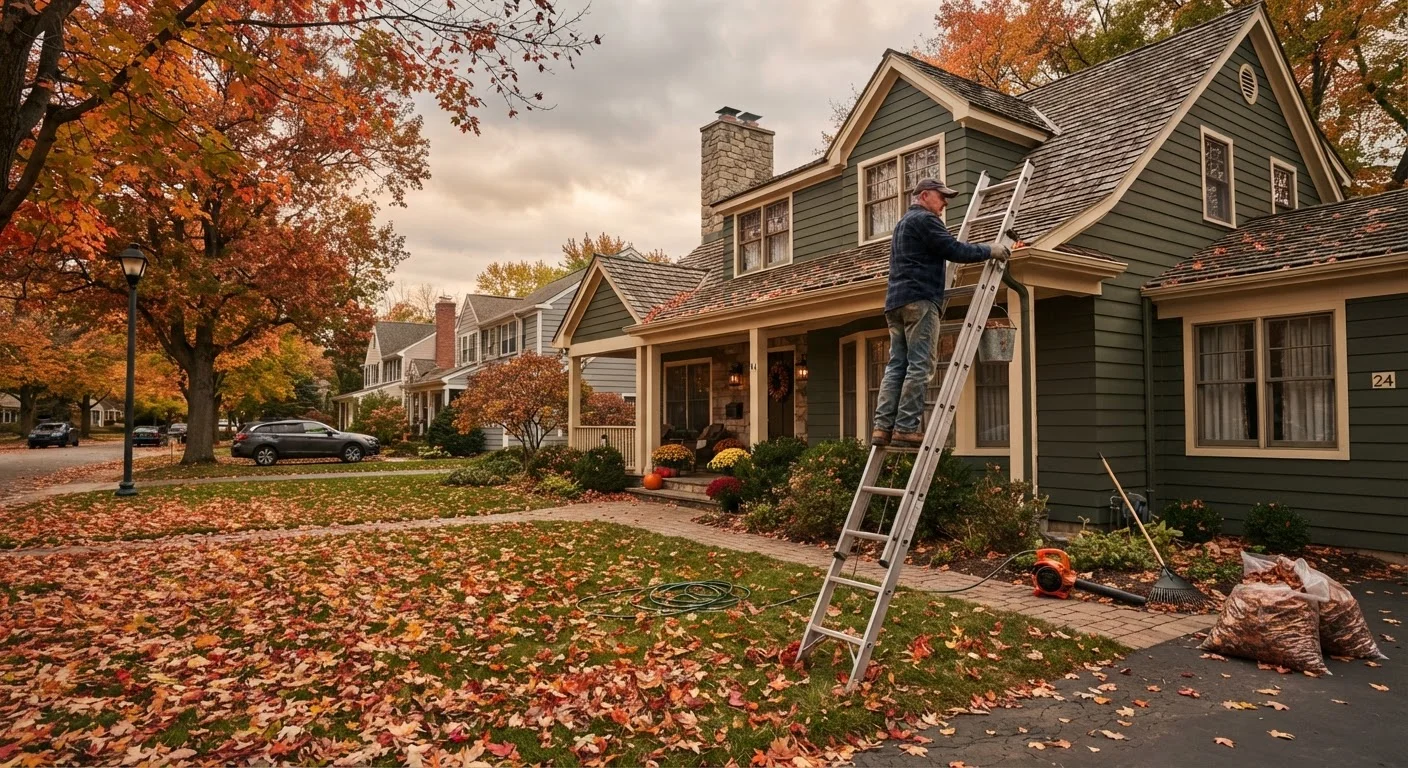
Photo credit: TurboBlogs.net | Explore Blogs At Turbo Speed
In this article
A room-by-room and exterior checklist to help homeowners prepare their property for cold weather before problems become costly repairs.
Key Takeaways
- A systematic fall inspection helps prevent expensive cold-weather damage to your home.
- Exterior checks - gutters, roof, and foundation - should happen before the first freeze.
- Heating systems need professional servicing before heavy use begins in winter.
- Weatherproofing gaps in windows, doors, and attic insulation significantly reduces energy costs.
- Many fall maintenance tasks are straightforward DIY work; others require licensed professionals.
Why a Fall Walkthrough Pays for Itself
Cold weather is unforgiving to a neglected home. A cracked foundation seal that costs little to caulk in October can admit water that freezes, expands, and forces a four-figure repair by spring. The same logic applies to gutters, heating systems, and weatherstripping. This checklist is designed to help you move through your property systematically - exterior first, then interior systems - before temperatures drop below freezing.
This walkthrough complements a broader seasonal routine. If you want to build fall tasks into a year-round framework, our home maintenance schedule guide explains how to structure maintenance by season and priority so nothing falls through the cracks.
Schedule HVAC Service Early
HVAC technicians and chimney sweeps book up quickly in early fall. If you wait until the first cold snap, you may face a multi-week wait - or worse, run your furnace through its first heavy use without a servicing check. Call to schedule inspections in late September or early October to avoid the seasonal rush and catch any issues before they leave you without heat.
What You'll Need
Before you begin, gather the right tools. A few items make the walkthrough faster and safer.
Sturdy extension ladder
Provides safe access to gutters and roof edges for visual inspection.
Flashlight or headlamp
Illuminates attic spaces, crawl spaces, and dark corners for a thorough inspection.
Exterior-grade caulk and caulking gun
Seals gaps around windows, doors, and foundation penetrations to block drafts and moisture.
Weatherstripping material
Replaces worn door and window seals to prevent heat loss and drafts.
HVAC replacement filter
Maintains furnace efficiency and indoor air quality throughout the heating season.
Carbon monoxide and smoke detector test tool (or coin for test button)
Verifies safety device functionality before heavy heating-season use.
Gutter scoop or garden trowel
Removes compacted leaf debris from gutters more efficiently than hands alone.
Binoculars
Allows a ground-level visual check of the roof surface without ascending a ladder.
The Full Fall Checklist
Work through each category below. Mark items as you go - a printed or digital copy makes it easier to track what needs follow-up. For tasks flagged as requiring a licensed professional (electrical, gas, structural), do not attempt DIY repairs without confirming local permit and code requirements first.
Exterior & Roof
Doors, Windows & Weatherproofing
Heating System & Fireplace
Attic & Insulation
Safety Devices & Emergency Prep
Don't DIY Gas Lines or Electrical Work
Tasks that involve gas connections, electrical panels, or structural modifications require a licensed professional in most U.S. jurisdictions. Attempting these without the proper credentials can void your homeowner's insurance coverage and create serious safety hazards. Always verify local permit requirements before starting any regulated work - your municipality's building department is the right first call.
When to Call a Professional
Several items on this list - furnace servicing, chimney cleaning, and any work touching gas lines or structural components - should always be handled by a licensed professional. Permits and inspections may be required depending on your jurisdiction; contact your local building department if you're unsure. For a broader comparison of how inspection checklists work in other high-stakes contexts, see our pre-purchase vehicle inspection guide, which applies the same systematic approach to evaluating a major asset before problems become expensive.
Once your fall walkthrough is complete, it's also worth reviewing your home's connected devices. Smart thermostats, carbon monoxide detectors with app integration, and security cameras often need firmware updates heading into winter. Our smart home security checklist covers that audit in detail.
This article is for general informational purposes only. Always verify local building codes and permit requirements with the appropriate authority in your area before undertaking repairs or improvements. For hazardous systems - gas, electrical, structural - consult a licensed, qualified professional.

Author
Home & Real Estate Editorial Team
Home & Real Estate Editorial Team is the collective byline for our editorial team and contributor network. Articles published under this byline or an editorial pen name are researched, written, and reviewed according to our editorial standards for clarity, consistency, and independence before publication.
View all articles →