
Water Heater Upkeep: The Maintenance Steps Most Homeowners Skip
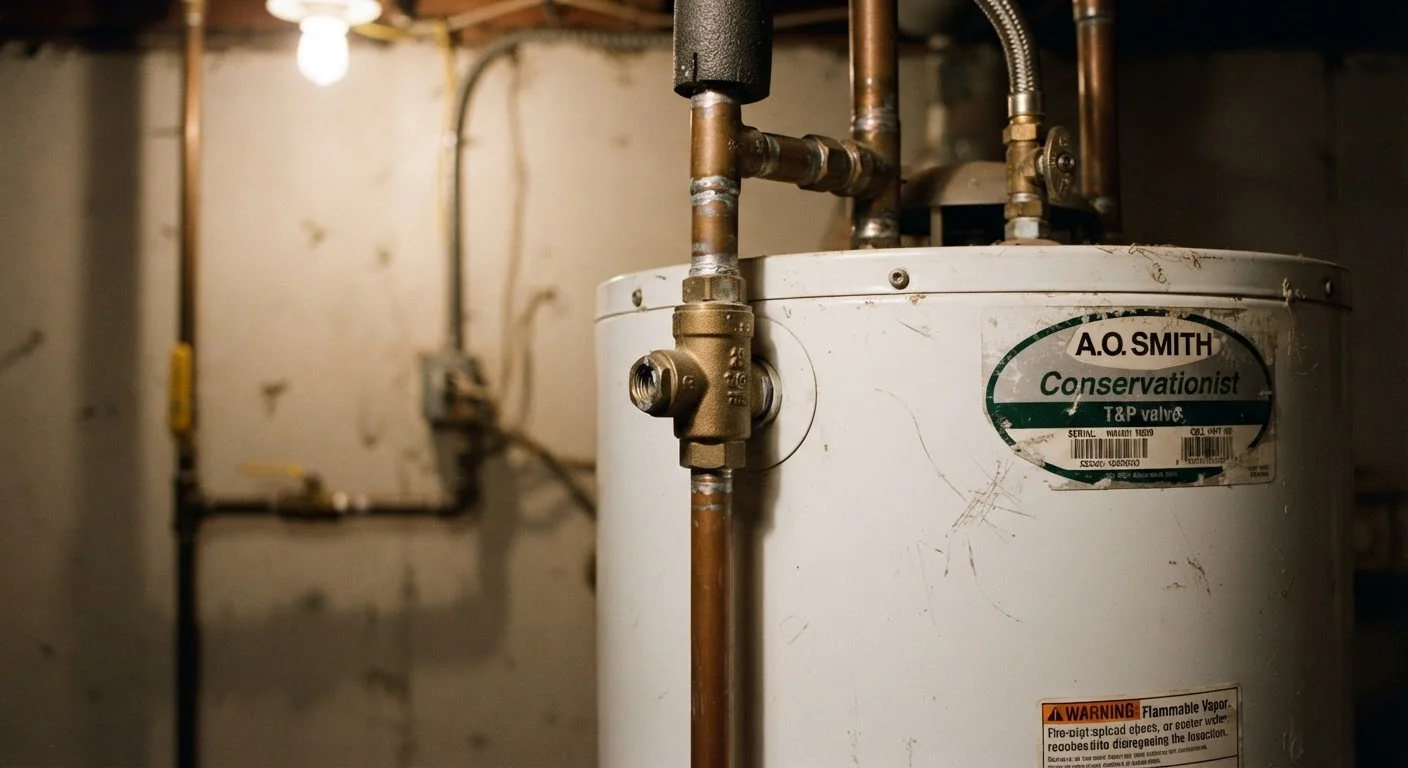
Photo credit: TurboBlogs.net | Explore Blogs At Turbo Speed
Flushing sediment, testing the pressure relief valve, and checking the anode rod can extend your water heater's lifespan significantly.
Key Takeaways
- Flushing sediment annually prevents efficiency loss and premature tank failure.
- The pressure relief valve should be tested yearly - a stuck valve is a serious safety hazard.
- The anode rod sacrifices itself to protect the tank and typically needs replacement every 3-5 years.
- Most water heaters last 8-12 years; neglected maintenance shortens that window considerably.
- Several upkeep tasks are within reach for most homeowners, but gas components and structural concerns require a licensed professional.
Why Water Heater Maintenance Gets Ignored
Out of sight, out of mind - water heaters sit in basements, closets, and utility rooms doing their job quietly until they fail. Because they rarely show visible warning signs until a problem is advanced, most homeowners never add them to a maintenance routine. This is a costly oversight: a neglected tank water heater can fail years ahead of schedule, leaving homeowners with emergency repair bills or water damage cleanup costs.
Building a realistic maintenance rhythm around your water heater doesn't require specialized skills for most tasks. It does require knowing which steps matter most - and which ones most people skip entirely. For a broader view of how water heater upkeep fits into your home's overall care plan, see The Anatomy of a Home Maintenance Schedule.
Never flushing sediment from the tank.
Why it happens: Homeowners assume the tank is self-maintaining and don't realize sediment from hard water accumulates at the bottom over time.
Failing to test the temperature and pressure relief (T&P) valve.
Why it happens: Most homeowners have never heard of the T&P valve, let alone know where it is. It's not mentioned in any move-in paperwork and has no visual indicator of failure.
Ignoring the anode rod until the tank begins to rust.
Why it happens: The anode rod - a metal rod inside the tank that attracts corrosive elements to protect the liner - is invisible and rarely mentioned in homeowner documentation.
Setting the water temperature too high or too low and never revisiting it.
Why it happens: Most heaters arrive from the factory or installation set at a default temperature that homeowners never adjust or check again.
Skipping insulation on exposed hot water pipes and the tank itself.
Why it happens: Pipe insulation is a low-profile upgrade that rarely gets mentioned during installation, and its energy-saving benefit isn't immediately obvious.
What Skipped Maintenance Actually Costs You
The consequences of deferred water heater maintenance compound over time. Sediment buildup forces the heating element or burner to work harder, raising energy bills. A corroded anode rod leaves the tank liner exposed to rust. A pressure relief valve that hasn't been tested in years may be stuck - creating a genuine safety risk if pressure inside the tank spikes.
8-12 years
Typical lifespan of a tank water heater
The U.S. Department of Energy notes that most conventional storage water heaters last between 8 and 12 years, a range heavily influenced by maintenance habits and water quality.
~20%
Share of home energy use from water heating
According to the U.S. Department of Energy, water heating accounts for roughly 20% of a home's energy consumption, making efficiency losses from sediment buildup a real budget concern.
If you're uncertain whether your unit is a tank or tankless model - each has different upkeep requirements - Tankless vs. Traditional Water Heaters: What Maintenance Looks Like for Each offers a side-by-side breakdown. And for homeowners handling their own plumbing tasks, Plumbing Maintenance Tasks Homeowners Can Safely Handle Themselves outlines what's safe to tackle without a plumber.
Gas Water Heaters: Leave Certain Tasks to Professionals
If your water heater runs on natural gas, do not attempt to inspect, adjust, or repair the gas supply line, burner assembly, or venting system yourself. Gas-related work requires a licensed plumber or HVAC technician and may require permits depending on your jurisdiction. If you smell gas near your water heater, leave the area immediately and contact your utility provider and emergency services.
This article is for general informational and educational purposes only. Water heater maintenance tasks involving gas lines, structural components, or permitted work should be performed by a licensed professional. Always verify local code requirements before undertaking any home maintenance work.

Author
Home & Real Estate Editorial Team
Home & Real Estate Editorial Team is the collective byline for our editorial team and contributor network. Articles published under this byline or an editorial pen name are researched, written, and reviewed according to our editorial standards for clarity, consistency, and independence before publication.
View all articles →