
Natural vs. Synthetic Fabrics: Choosing the Right Material for Each Situation
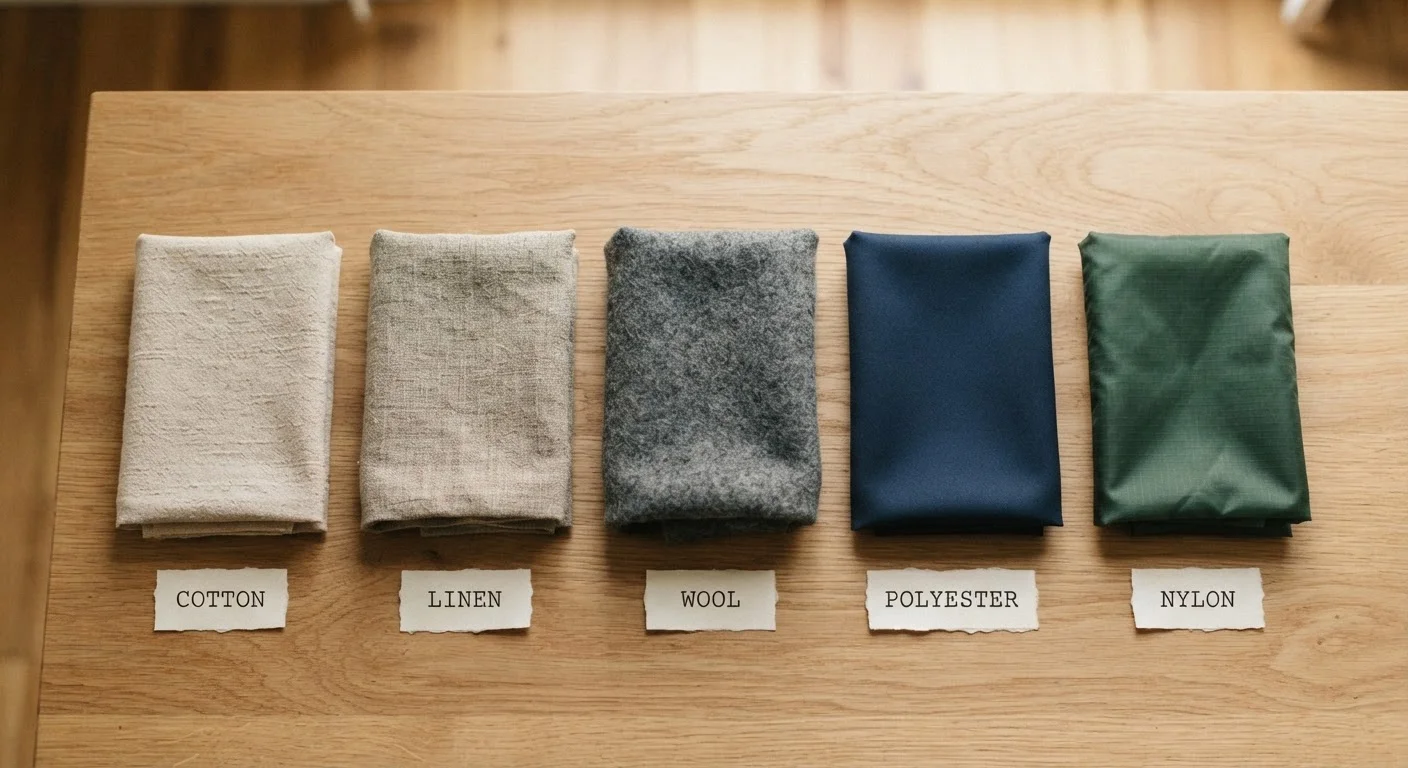
Photo credit: TurboBlogs.net | Explore Blogs At Turbo Speed
In this article
Compare cotton, linen, wool, polyester, and nylon across comfort, durability, cost, and care requirements to make smarter clothing choices.
Key Takeaways
- Natural fabrics like cotton and linen breathe better, making them ideal for warm-weather and sensitive skin.
- Synthetic fabrics such as polyester and nylon generally cost less and resist wear longer than most natural options.
- Wool is a natural fiber that excels in cold-weather insulation and odor resistance despite higher care demands.
- Fabric choice affects not just comfort but also long-term clothing costs and care requirements.
- Blended fabrics combine strengths of both natural and synthetic fibers for everyday versatility.
What Makes a Fabric Natural or Synthetic?
Natural fabrics are made from plant or animal fibers - think cotton from the cotton plant, linen from flax, and wool from sheep. Synthetic fabrics, like polyester and nylon, are engineered from petroleum-based chemical compounds. Blended fabrics combine threads from both categories to capture multiple benefits in one garment.
Understanding this distinction matters because the source of a fiber directly shapes how it behaves on your body - how it breathes, how it washes, and how long it lasts. If you're working on building a versatile wardrobe on a budget, fabric knowledge is one of the most practical tools you can develop.
Natural Fabrics: Comfort Champions With Some Trade-Offs
Cotton is the most widely worn natural fiber in the U.S. It's breathable, soft against skin, and relatively affordable - a strong pick for everyday shirts, underwear, and casual wear in warmer months. The downside: it absorbs moisture and dries slowly, which can feel uncomfortable during intense activity or rain.
Linen, woven from flax, is even more breathable than cotton and has a distinct textured look. It wrinkles easily - that's just part of its nature - but it becomes softer with each wash and holds up well in heat. It's worth considering for summer workwear or casual warm-weather outfits.
Wool is the cold-weather standout. It insulates even when damp, naturally resists odor, and is surprisingly durable when cared for properly. Merino wool, a finer variety, is soft enough for direct skin contact and is popular in base layers and travel clothing. Wool's main drawbacks are price and care requirements - many wool items need hand-washing or dry cleaning.
Try Merino Wool for Travel
Merino wool's natural odor resistance means you can wear it multiple times between washes - a real advantage when packing light for a trip. Look for lightweight merino options that can be hand-washed and air-dried overnight in a hotel room. It often packs smaller than it looks and transitions easily from day to evening wear.
Synthetic Fabrics: Built for Performance and Longevity
Polyester is the workhorse of synthetic fabrics. It's resistant to shrinking and stretching, holds its shape wash after wash, and dries quickly - making it a go-to for athletic wear, outerwear, and travel-friendly clothing. The trade-off is breathability: polyester traps heat and can feel clammy in warm conditions. It also tends to hold onto odors over time.
Nylon shares many of polyester's strengths but adds extra abrasion resistance, which is why it's common in bags, activewear, and outerwear that takes a beating. Like polyester, it's not the most breathable option but it outperforms most fabrics when durability is the priority.
Both synthetics tend to be more affordable than natural fibers at equivalent quality levels. Good garment care habits can extend the life of synthetics significantly - especially avoiding high-heat drying, which degrades fibers faster.
| Cotton | Linen | Wool | Polyester | Nylon | |
|---|---|---|---|---|---|
| Breathability | High | Very high | Moderate | Low | Low |
| Durability | Moderate | Moderate | High (with care) | High | Very high |
| Moisture management | Absorbs, slow drying | Absorbs, moderate drying | Wicks, insulates damp | Wicks, fast drying | Wicks, fast drying |
| Typical cost | Low-moderate | Moderate | Moderate-high | Low | Low-moderate |
| Care requirements | Machine wash | Machine wash (wrinkles) | Hand wash or dry clean | Machine wash | Machine wash |
| Best season/use | Year-round casual | Spring and summer | Fall and winter | Active and travel | Outdoor and active |
How to Match Fabric to Situation
The smartest approach isn't loyalty to one category - it's situational thinking. A linen shirt is a great choice for a summer barbecue; a nylon shell jacket makes far more sense for a rainy hike. When building outfits for a wide range of occasions, consider how each garment will be used most often. For guidance on making a small collection of clothes work hard, the strategy of dressing for any occasion with a small wardrobe is worth a read.
Blended fabrics - say, a cotton-polyester mix - are often the quiet heroes of everyday dressing. They offer improved wrinkle resistance over pure cotton while keeping some of its breathability. They're also usually easier to care for, which matters if you're looking to reduce dry-cleaning bills.
One broader context worth considering: fast fashion vs. slow fashion trade-offs often come down to fabric quality. Cheaply made garments in lower-quality synthetics wear out faster and cost more over time than a well-constructed piece in a durable natural or premium synthetic fabric.
Watch Out for Misleading Fabric Labels
Terms like "natural feel" or "breathable" on synthetic garments are marketing language, not fiber certifications. Always check the full fabric composition listed on the care label - typically found at the inner seam or collar - before assuming a garment performs like a natural fiber. A garment labeled 95% polyester with a "soft touch" finish is still primarily synthetic in behavior.

Author
Lifestyle & Shopping Editorial Team
Lifestyle & Shopping Editorial Team is the collective byline for our editorial team and contributor network. Articles published under this byline or an editorial pen name are researched, written, and reviewed according to our editorial standards for clarity, consistency, and independence before publication.
View all articles →