
Getting Dressed for Any Occasion With a Small Wardrobe
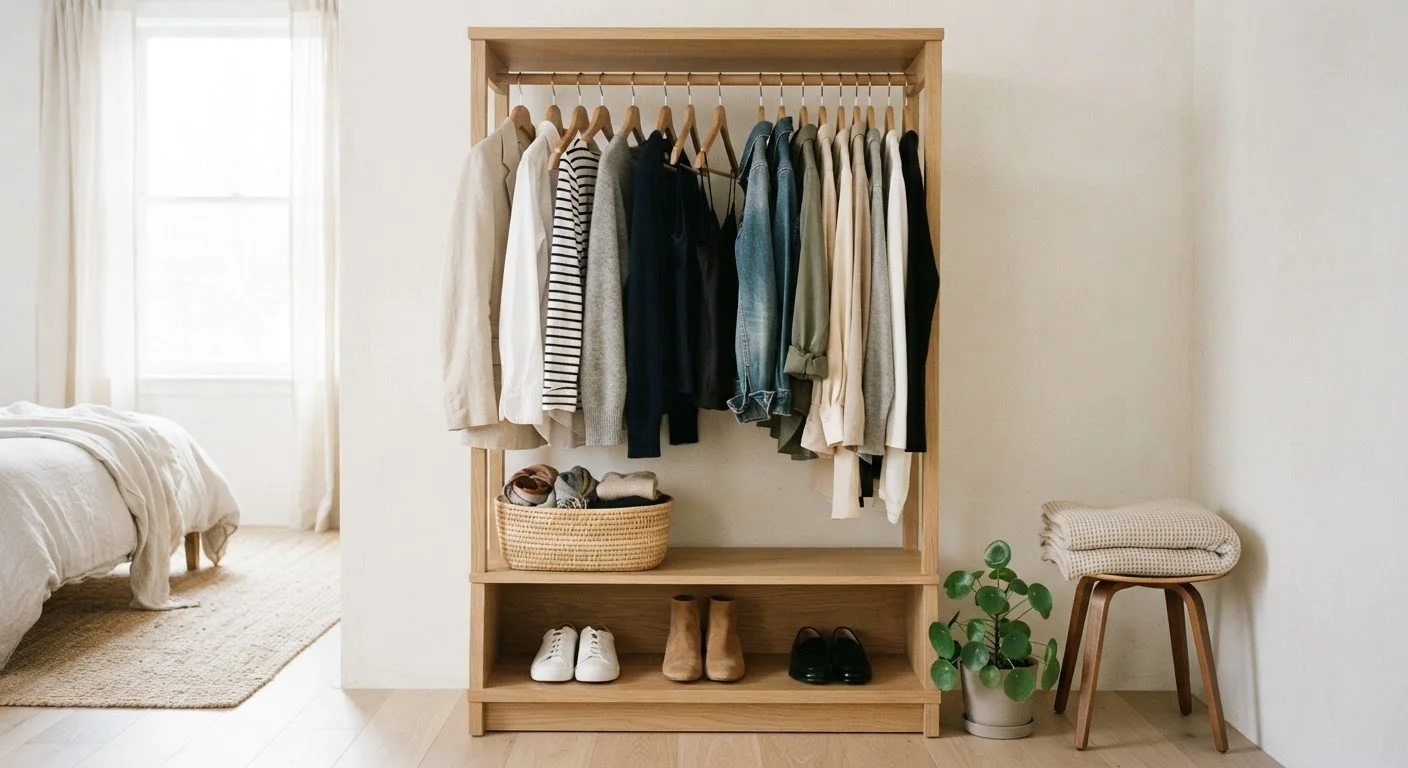
Photo credit: TurboBlogs.net | Explore Blogs At Turbo Speed
In this article
Learn practical outfit-building strategies that let a limited number of well-chosen pieces cover a wide range of daily situations.
Key Takeaways
- A small wardrobe works best when every piece can mix with at least three others.
- Neutral base colors make outfit combinations multiply without adding more items.
- Layering and accessories shift a single outfit from casual to polished in minutes.
- Knowing your actual weekly occasions upfront prevents buying pieces you rarely use.
- Proper garment care dramatically extends the life and appearance of each item.
Why a Smaller Wardrobe Demands More Strategy, Not Less
The common assumption is that owning fewer clothes means accepting limited options. In practice, the opposite is closer to the truth: a deliberately edited wardrobe forces you to think carefully about what you own, and that thinking pays off in daily ease. When every item earns its place by mixing with multiple others, getting dressed becomes a decision with a reliable set of good answers - not a daily scramble through a crowded closet of things that mostly don't go together.
The concept behind this approach has been around for decades. If you want a deeper look at the philosophy and its origins, the capsule wardrobe explained is a useful starting point. This guide focuses on the practical execution - specifically how to ensure a small collection stretches across the real variety of occasions that everyday American life involves.
It's also worth understanding that fit and fabric quality affect how versatile a piece actually is in practice. Choosing the right fabric for each situation can help you evaluate whether the pieces you're keeping will hold up and look intentional across different settings.
What you will need
Step-by-Step: Outfit-Building With What You Have
The steps below walk you through a practical process for turning a limited closet into a flexible dressing system. Work through them in order - the early steps give you information you'll need to make good decisions in the later ones. You'll need about 20 to 45 minutes of uninterrupted time and a space where you can see your clothing spread out.
Full-length mirror
Lets you evaluate complete outfits - fit, proportion, and overall effect - before you leave home.
Clothing rack or open hanging space
Keeps your active rotation visible so you can spot combinations at a glance.
Notebook or notes app
Records outfit combinations you've tested so you don't have to reinvent them each time.
Map out your real-life occasions
Before touching a single hanger, write down every type of situation you actually dress for in a typical week or month - not aspirationally, but honestly. Include things like your commute or remote workday, weekend errands, casual dinners, and any formal or semiformal events that genuinely come up. Group these into three to four broad categories (for example: relaxed everyday, smart-casual, and dressed up). This map becomes your measuring stick for every piece you own or consider keeping.
Audit what you already own
Pull everything out of your closet and lay it flat or hang it where you can see it all at once. For each item, ask two questions: Does it fit well right now? And does it mix with at least three other pieces already in your wardrobe? Items that fail both tests are strong candidates to remove. Items that pass both are your foundation. Set aside anything you're uncertain about and revisit it after completing the rest of your outfit-building exercise - hesitation is often useful data.
Anchor your palette around neutral bases
Choose two or three base colors that appear across your kept pieces - typically neutrals like navy, white, grey, black, or tan. These should be able to touch each other in any combination without clashing. Once your base is consistent, a small number of accent colors (one or two that genuinely suit your complexion and preferences) can add personality without creating mixing problems. A unified palette means more combinations from fewer items, which is the mathematical engine behind a small wardrobe that still feels varied.
Build outfit combinations deliberately
Using your occasion map and audited pieces, physically assemble complete outfits for each category - don't just imagine them. Lay them out or photograph them with your phone. Aim for at least two reliable options per occasion category. Count how many total outfits you can document. If a piece only works in one combination, it's a weak link in a small wardrobe. Strong pieces show up in combinations across multiple occasion categories - a dark trouser that works for smart-casual and dressed-up days, for instance, earns its place twice over.
Use layering to shift the register of an outfit
A plain crew-neck tee under an unstructured blazer reads as smart-casual in most American workplaces and social settings. Remove the blazer, and the same tee fits a Saturday errand run. Add a scarf or swap in a button-front shirt and the blazer moves toward dressed-up territory. Layering is the most cost-effective way to multiply what a small wardrobe can do. Focus on pieces that layer easily - slim-cut cardigans, lightweight overshirts, unlined jackets - rather than bulky items that only work as standalone tops.
Let accessories and footwear do the heavy lifting
Accessories are the highest-leverage tools in a small wardrobe because they change the visual tone of an outfit without replacing any of its main pieces. A pair of clean leather sneakers versus a loafer changes the whole mood of the same trouser-and-shirt combination. A simple watch, a belt in a consistent finish, or a structured bag communicates polish without requiring a different outfit. Keep accessories cohesive in color and finish - this is where a consistent neutral palette really pays off.
Maintain your pieces so they stay presentable
A small wardrobe lives or dies on how well each item looks. A pilled sweater or a shirt with a yellowed collar can't be rescued by good styling. Learn the care requirements for each fabric you own and follow them. Store knits folded rather than hung to prevent shoulder distortion. Deal with small stains immediately rather than letting them set. Regular maintenance keeps fewer pieces looking like more.
Start With What's Already Working
Most people have one or two outfits they reach for automatically because they know those combinations work. Begin your outfit-building exercise by identifying those proven combinations first, then look at what structural features they share - similar silhouettes, consistent color temperature, matching formality levels. Those shared features reveal the logic of your existing wardrobe, which makes it much easier to extend deliberately.
If you find yourself consistently short of options for specific occasion types after completing these steps, that's the useful diagnostic a small wardrobe provides - it shows you exactly what's missing rather than letting the gap hide in a full closet. Building a versatile wardrobe on a tight budget offers practical guidance on filling those gaps without overspending, and dressing for your body shape can help you make confident choices when you do add something new.
Avoid the 'One Occasion, One Outfit' Trap
Keeping dedicated pieces for rarely-occurring occasions - a specific holiday party blouse, an 'interview suit' worn once a year - quietly inflates your wardrobe without improving your daily dressing. Seasonal wardrobe transitions explains how these habits add up financially. Challenge yourself to cover low-frequency occasions with remixes of existing pieces before adding anything new specifically for them.

Author
Lifestyle & Shopping Editorial Team
Lifestyle & Shopping Editorial Team is the collective byline for our editorial team and contributor network. Articles published under this byline or an editorial pen name are researched, written, and reviewed according to our editorial standards for clarity, consistency, and independence before publication.
View all articles →