
Personal Style From Scratch: A Starter Guide for Anyone Who Hates Shopping
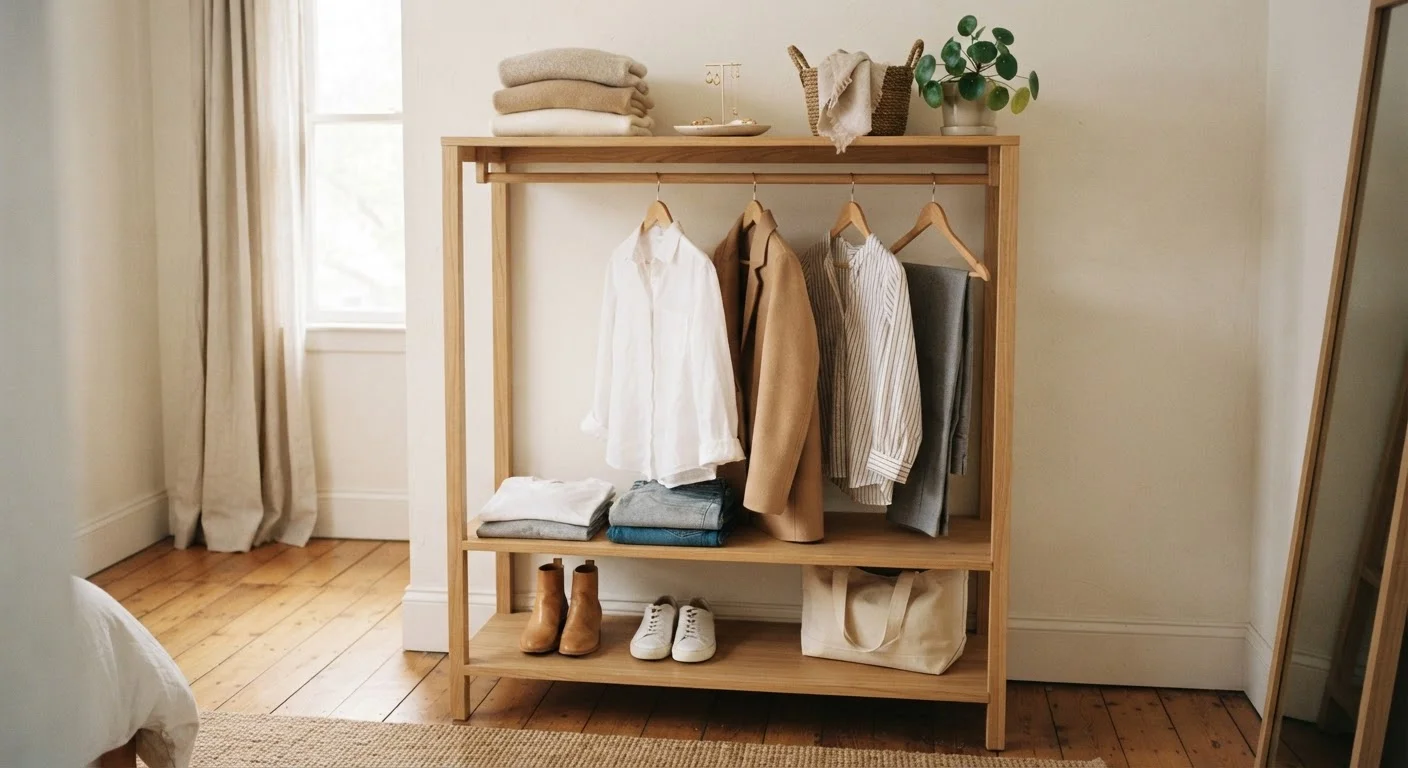
Photo credit: TurboBlogs.net | Explore Blogs At Turbo Speed
In this article
Not sure where to begin with developing your own style? This beginner's guide covers the fundamentals without overwhelming you.
Key Takeaways
- Personal style is built gradually from self-awareness, not a single shopping trip.
- Auditing what you already own is the most important first step.
- A small wardrobe of versatile pieces outperforms a large, cluttered one.
- Fit and comfort matter more than trends when building lasting confidence.
- Shopping with a list and clear criteria reduces regret and overspending.
Why 'Personal Style' Feels So Overwhelming
If the phrase "develop your personal style" makes you want to close the browser tab, you're not alone. Fashion content tends to assume you already know your "aesthetic," have unlimited time to shop, and enjoy the process. For a lot of people - maybe most - getting dressed is more chore than pleasure.
The good news is that personal style isn't a personality you have to perform. It's simply a set of preferences you develop by paying attention to what makes you feel comfortable, confident, and like yourself. It doesn't require a big budget, a deep knowledge of trends, or an Instagram account. Much like building healthier eating habits, building a wardrobe that works starts with cutting through the noise and focusing on your actual life.
Personal style
A consistent set of clothing preferences that reflects how you want to present yourself - developed over time through trial and attention, not a fixed category you're assigned.
Capsule wardrobe
A small, curated collection of versatile clothing pieces that can be combined in many ways to cover a wide range of occasions.
Silhouette
The overall shape or outline an outfit creates on your body - for example, fitted versus relaxed, or cropped top with wide-leg pants.
Fit
How well a garment conforms to your body's proportions in a way that feels comfortable and looks intentional - the single most impactful element of any outfit.
Visual reference
A collection of images you've saved because they appeal to you visually, used to identify patterns in your own taste without overthinking it.
Start With What You Already Own
Before you buy anything new, spend 30 minutes with your existing wardrobe. Pull everything out and sort it into three groups: things you wear regularly and feel good in, things you keep but never reach for, and things that genuinely don't fit or flatter.
The first group is your style data. Look for patterns - are most of those pieces a similar color? A particular silhouette? Casual or more structured? That cluster of items you actually wear is telling you something real about your preferences, without any guesswork.
The second group is often where money gets buried. Items you've kept "just in case" or because they were expensive tend to create visual clutter that makes getting dressed feel harder. Our guide to wardrobe essentials can help you identify the foundational pieces actually worth keeping.
The 'one-year rule' is your friend
If you haven't worn something in the past 12 months and can't name a specific upcoming occasion where you would, it's probably not serving you. Letting go of those pieces makes the rest of your wardrobe easier to see and use. Donate, swap, or responsibly resell - your clutter can be someone else's find.
Figuring Out What You Actually Like
Once you've audited what you own, it's time to get a clearer picture of what you're drawn to. The simplest method: create a visual reference folder. Save screenshots from anywhere - social media, websites, catalogs - of outfits that genuinely appeal to you, without filtering by "is this realistic for me?"
After collecting 20 or 30 images, look for patterns. You'll likely notice recurring colors, proportions, or levels of formality. This process is more revealing than any style quiz, because it reflects your actual taste rather than a category someone else defined.
If you want to dig deeper into how your proportions interact with different silhouettes, our article on dressing for your body shape separates practical guidance from common myths.
The Core Principles of a Workable Wardrobe
You don't need many pieces - you need the right pieces. A handful of guidelines make this much easier:
- Fit first. No matter your budget, a well-fitting piece will always look more intentional than something expensive in the wrong size. When trying on clothes, pay special attention to shoulder seams and chest fit - those are the hardest areas to alter.
- Versatility over novelty. Before adding anything, ask whether it works with at least three items you already own. If it only works as one specific outfit, it's doing very little work in your closet.
- Comfort is not optional. If you're tugging at something or avoiding movement in it, you won't wear it. Comfort and style are not opposites.
For strategies on wearing a small wardrobe across many occasions, see our guide on getting dressed for any occasion with a small wardrobe.
Style evolves - that's normal
What works for you at one point in life may not fit a few years later - and that's perfectly fine. Your style will shift as your lifestyle, preferences, and circumstances change. Treat your wardrobe as a living system you refine gradually, not a problem to solve once and never revisit.
Adding New Pieces Without Wasting Money
When you're ready to shop, go in with criteria rather than browsing open-endedly. A short list of specific gaps - say, a versatile mid-layer or a pair of dark trousers - gives you something to evaluate against, which dramatically cuts down on regret purchases.
Shopping with intention also means slowing down before committing. If you're unsure about something in the store, give yourself a day before buying. Urgency is rarely real, and a night's sleep is one of the better filters for impulse decisions. For a framework on evaluating whether something is genuinely worth the spend, our value-first shopping guide walks through exactly that thinking.
If you're new to shopping online - or cautious about it - our guide for first-time online shoppers covers what to verify before you place an order. And once you have a clearer sense of your style, building a versatile wardrobe on a tight budget is a natural next step.
Wardrobe Audit Worksheet
A simple template to help you categorize what you own, identify gaps, and map out what's actually working in your closet before you shop for anything new.
Style Inspiration Folder
A method for collecting and organizing visual style references to help you spot patterns in your own taste - no social media account required.
Fit & Alterations Basics
An overview of which common fit issues are easy to alter by a tailor and which are not - useful for evaluating secondhand or clearance pieces.
Frequently Asked Questions

Author
Lifestyle & Shopping Editorial Team
Lifestyle & Shopping Editorial Team is the collective byline for our editorial team and contributor network. Articles published under this byline or an editorial pen name are researched, written, and reviewed according to our editorial standards for clarity, consistency, and independence before publication.
View all articles →