
Spending Smarter Without Spending Less: A Framework for Value-First Shopping
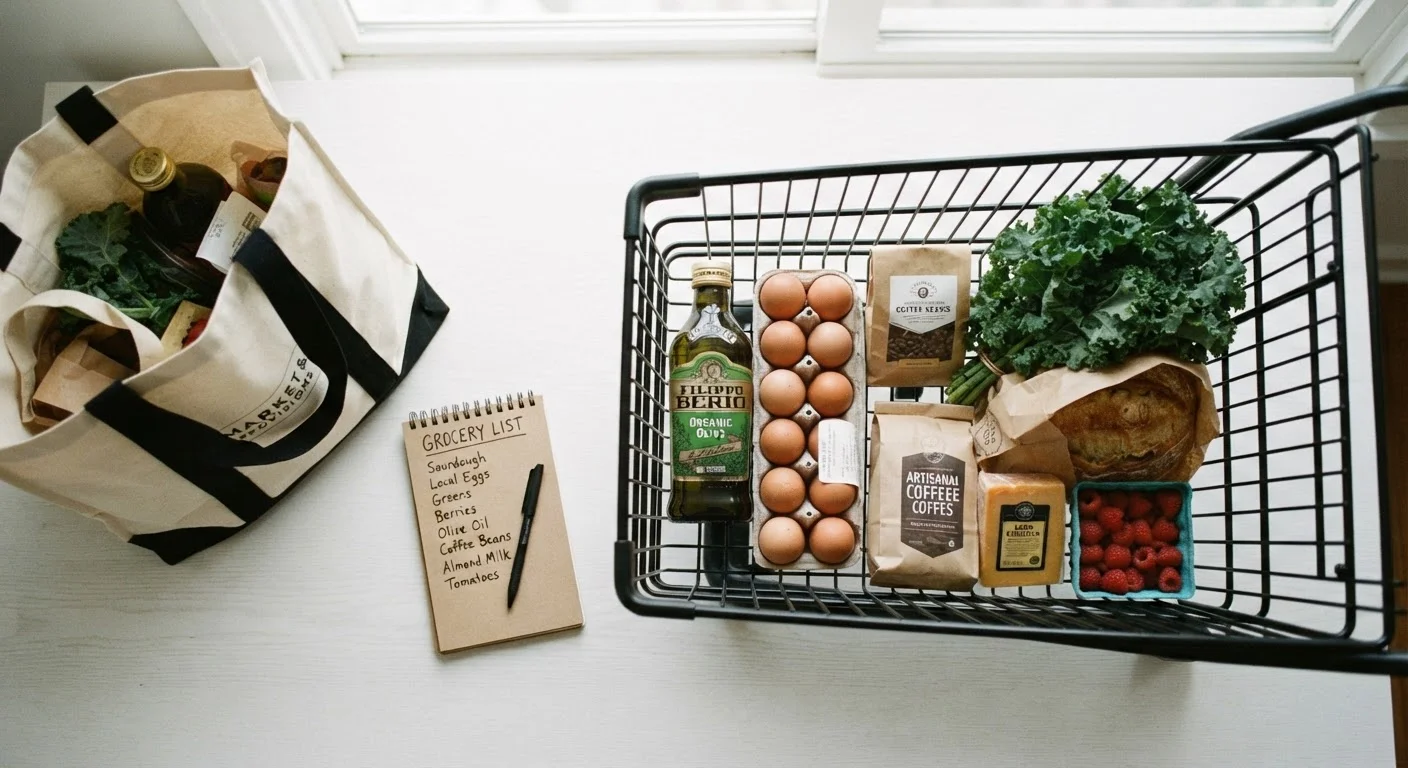
Photo credit: TurboBlogs.net | Explore Blogs At Turbo Speed
In this article
Smart shopping isn't always about cutting costs—it's about getting more out of what you spend. This guide walks through how to think about value.
Key Takeaways
- Value-first shopping is about maximizing what you get per dollar spent, not spending less overall.
- Cost-per-use is a practical lens that reframes how you evaluate price tags.
- Many budget-draining habits feel normal until you track them over time.
- A simple pre-purchase pause can dramatically reduce regret and waste.
- Intentional shopping aligns your spending with your actual priorities and lifestyle.
What Value-First Shopping Actually Means
Most shopping advice circles back to the same two words: spend less. Cut the latte, skip the splurge, find the cheapest option. But that framing misses something important - the goal isn't a lower total on your receipt. It's making sure every dollar you do spend does real work for you.
Value-first shopping is a mindset shift, not a deprivation plan. It asks a different question at the point of purchase: "Am I getting meaningful return on this?" instead of "Is this cheap enough?" That distinction matters, because low-cost purchases that go unused or wear out fast are actually expensive purchases. And higher-cost purchases that serve you well for years can be among the most economical decisions you ever make.
This isn't permission to spend recklessly. It's permission to stop evaluating purchases by sticker price alone. Understanding your own priorities - what you actually use, enjoy, and rely on - is the foundation. From there, the framework builds naturally. If you'd like a complementary perspective on understanding your broader spending picture, the Complete Guide to Personal Budgeting is a strong starting point.
~$18,000
Average annual U.S. household spending on goods and services
According to the U.S. Bureau of Labor Statistics Consumer Expenditure Survey, American households spend substantially on non-housing, non-food categories each year - much of it discretionary.
1 in 3
Shoppers who report buyer's remorse regularly
Consumer research consistently finds that a significant share of shoppers regret purchases shortly after buying, often citing impulse or sale-driven decisions.
The Cost-Per-Use Mindset
One of the most practical tools in a value-first shopper's kit is cost-per-use - a straightforward calculation that divides the purchase price by the estimated number of times you'll actually use something.
A $30 item you use twice costs $15 per use. A $90 item you reach for three times a week for two years costs roughly $0.29 per use. When the math is laid out that way, the "cheap" option isn't always what it looks like on the shelf.
This lens is especially useful for categories like clothing, kitchenware, and tools - areas where durability, fit, and usefulness vary enormously across price points. It also explains why seasonal wardrobe habits can quietly drain a budget: buying low-cost pieces that don't integrate with what you already own means you end up replacing them constantly.
Before calculating cost-per-use, write down how many times per month you genuinely expect to use the item - then cut that estimate by 30%. Most people overestimate usage, and building in that buffer makes your evaluation more realistic.
Optimism bias is well-documented in consumer behavior research: we consistently overestimate how much we'll use new purchases, which inflates perceived value before the fact.
When evaluating durability, look for items with repairable designs - things with replaceable parts, standard sizing, or accessible repair services - rather than assuming high price automatically means long life.
Repairability is an often-overlooked value factor. An item that can be fixed extends its cost-per-use curve significantly, while even expensive products with proprietary or sealed designs may have short effective lifespans.
Cost-per-use isn't an exact science - use estimates thoughtfully. But even a rough calculation before a purchase creates useful pause, and pause is often all it takes to make a clearer decision.
Recognizing the Patterns That Quietly Drain You
Value-first shopping requires some honest self-assessment. Most of us have at least one spending pattern that feels completely reasonable in the moment but compounds into real money over time. Common examples include:
- Duplicate purchases: Buying something you already own because you can't find the original - a classic sign that organization is costing you money.
- Sale-triggered buying: Purchasing something discounted that you wouldn't have bought at full price. The discount is only a saving if you needed it. Sales are designed to feel urgent - understanding the psychology helps you shop with a clearer head.
- Category creep: Gradual expansion of a hobby, routine, or lifestyle area that keeps adding small purchases without a clear ceiling.
- Convenience premiums: Paying significantly more for the same thing because it's easier to grab nearby or delivered instantly - sometimes worth it, but worth noticing.
Sales Can Invert Your Priorities
Discounts are powerful psychological anchors. When a price drops, it can feel like acquiring value - even if the item itself never fit your actual needs. Be especially cautious in high-discount environments like outlet stores, flash sales, or seasonal clearance events, where the deal itself becomes the draw rather than the product's usefulness to you.
None of these patterns make someone a bad shopper. They're normal human responses to how retail environments are designed. The goal is awareness - and awareness alone changes behavior more than most rigid rules do. For a fuller picture of habits that quietly keep spending high, it's worth examining your own patterns category by category.
Building a Decision Framework Before You Buy
A value-first framework doesn't have to be complicated. In fact, the simpler it is, the more consistently you'll use it. Consider asking yourself three questions before any non-routine purchase:
- Do I already have something that does this job? If yes, why isn't it working - is this a real gap or a want dressed up as a need?
- How often will I realistically use this? Be honest. Not aspirationally honest - actually honest. A running app bought in January often gets used twice.
- What happens if I wait 48 hours? Impulse urgency fades fast. If you still want it after two days, the purchase is more likely to hold genuine value.
For a more structured version of this process, the pre-purchase checklist for everyday shoppers walks through these questions in a format you can use in-store or online.
Pairing this habit with a well-structured shopping list - before you enter the store or open a browser tab - is also a meaningful upgrade. A list that holds up in the store reduces the cognitive load that leads to impulse decisions.
Make the 48-Hour Rule a Default, Not a Willpower Test
Rather than relying on discipline in the moment, build the pause into your process structurally. Leave items in your cart, write them on a wish list, or photograph them in-store and come back later. When the friction is baked in, you don't have to fight yourself - the system does the work.
Putting It All Together
Spending smarter without spending less is really about spending with intention. It means accepting that your budget is a tool for getting what you actually want out of life - not a score to minimize or a punishment for having preferences.
The framework is straightforward: define what value means to you, apply cost-per-use thinking where it makes sense, identify the patterns draining your spending without delivering return, and build a simple pause into your process before committing. That's it.
Over time, this approach shifts spending away from noise and toward signal. Fewer regretted purchases. Less clutter from things that didn't hold up. More confidence that what you bought was the right call. Those are tangible outcomes - not from spending less, but from spending smarter.
If you want to go deeper on the mindset side, what separates intentional shoppers from reactive ones is a natural next read. And if you're looking to align your shopping with a broader financial plan, exploring budgeting basics can provide the structural backbone to make this all stick.
“The goal of a good budget isn't to restrict what you spend - it's to make sure that your spending reflects your values. Most overspending isn't about excess; it's about misalignment.”
— Carl Richards, Certified Financial Planner and author of 'The Behavior Gap'

Author
Lifestyle & Shopping Editorial Team
Lifestyle & Shopping Editorial Team is the collective byline for our editorial team and contributor network. Articles published under this byline or an editorial pen name are researched, written, and reviewed according to our editorial standards for clarity, consistency, and independence before publication.
View all articles →