
Indoor vs. Outdoor Cats: Understanding the Tradeoffs for Your Cat's Wellbeing
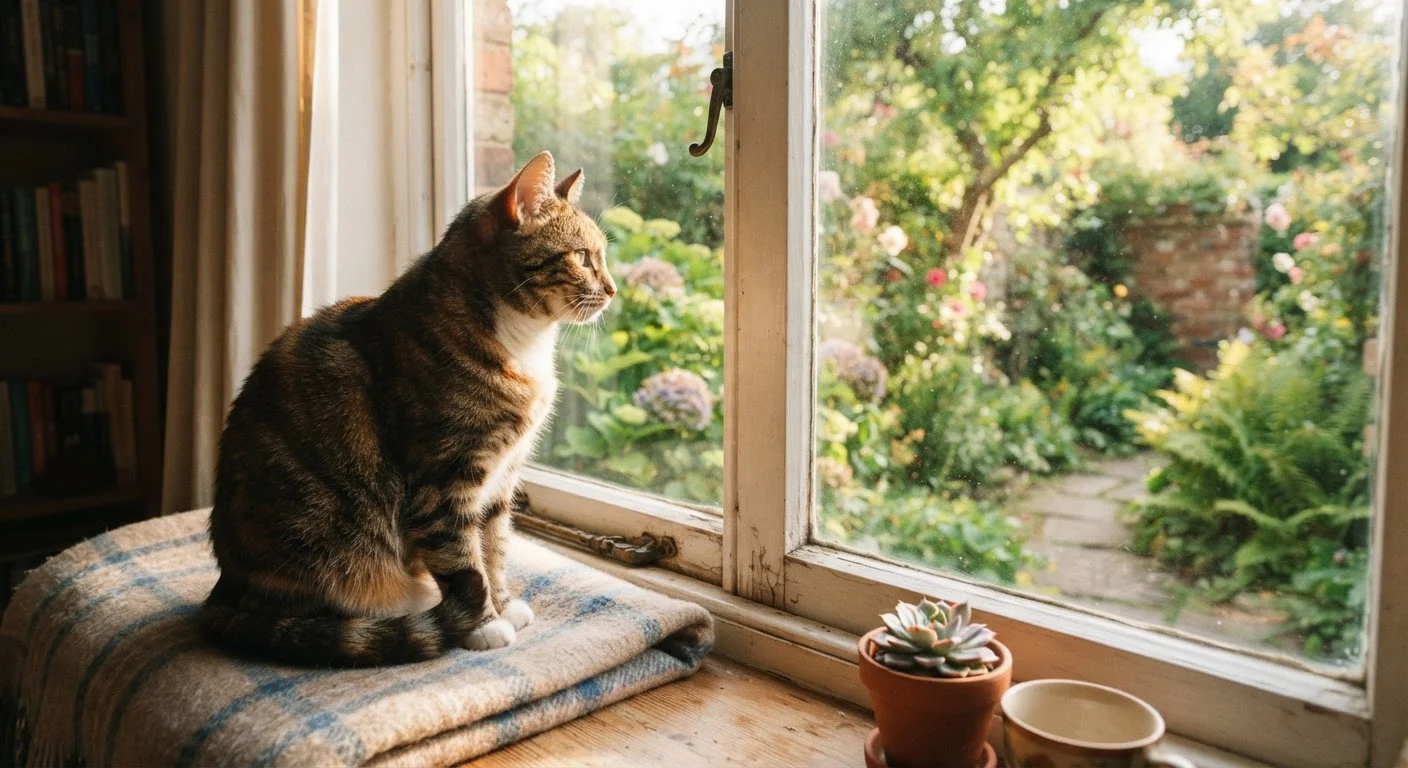
Photo credit: TurboBlogs.net | Explore Blogs At Turbo Speed
In this article
Indoor and outdoor lifestyles each carry distinct risks and benefits for cats. Here's what veterinary guidance says about each approach.
Key Takeaways
- Indoor cats generally live longer on average, facing fewer acute hazards like traffic and predators.
- Outdoor access provides natural behavioral enrichment but exposes cats to disease, injury, and toxins.
- Many veterinarians support supervised or controlled outdoor access as a middle-ground approach.
- Keeping indoor cats mentally stimulated is essential to preventing stress-related behavioral problems.
- Regardless of lifestyle, routine veterinary care is critical for all cats.
The Core Tension: Safety Versus Stimulation
For decades, cat owners have wrestled with one of pet care's most loaded questions: should a cat live exclusively indoors, roam freely outside, or somewhere in between? The answer isn't simple, and it depends heavily on your environment, your cat's temperament, and your capacity to manage their health proactively.
Veterinary organizations broadly recommend keeping cats indoors or providing only supervised outdoor access, citing the dramatic reduction in hazards. But that guidance comes with an important asterisk: indoor cats need active enrichment to stay behaviorally and physically healthy. A bored indoor cat is not automatically a happy one.
| Criterion | Indoor Cat Lifestyle | Outdoor Cat Lifestyle |
|---|---|---|
| Average lifespan | Longer on average | Shorter on average |
| Injury risk (traffic, fights) | Very low | Significantly higher |
| Infectious disease exposure | Low (with indoor-only contact) | Higher (FeLV, FIV, parasites) |
| Behavioral enrichment | Requires deliberate effort | More naturally available |
| Obesity risk | Higher without active play | Lower with regular roaming |
| Toxin exposure | Low | Higher (pesticides, antifreeze) |
| Owner monitoring ease | Easier to observe daily | Harder to track health changes |
What the Data Suggests About Lifespan and Risk
Research consistently shows that indoor cats tend to live significantly longer than their outdoor counterparts. While individual variation is large, the American Veterinary Medical Association and similar bodies note that outdoor cats face higher rates of injury from vehicles, attacks by other animals, and exposure to infectious diseases like feline leukemia virus (FeLV) and feline immunodeficiency virus (FIV).
10-15 yrs
Typical indoor cat lifespan
The ASPCA estimates indoor cats live an average of 10-15 years, compared to 2-5 years for free-roaming outdoor cats.
~3×
Higher parasite exposure outdoors
Outdoor cats face substantially higher rates of flea, tick, and intestinal parasite exposure than exclusively indoor cats, per veterinary parasitology literature.
~40%
Share of U.S. owned cats kept indoors
The American Pet Products Association has estimated that a significant portion of owned cats in the U.S. live primarily or exclusively indoors.
Outdoor cats also encounter environmental toxins - pesticides, antifreeze, rodenticides - at higher rates. These aren't hypothetical risks; they're among the leading causes of emergency veterinary visits for cats. If you're weighing the financial dimension of unexpected vet bills, our overview of pet insurance versus a dedicated savings fund is worth reading alongside this discussion.
That said, outdoor-only data skews toward free-roaming cats without consistent veterinary care. A well-vaccinated, regularly monitored outdoor cat in a low-risk environment carries a meaningfully different risk profile than a completely unmanaged one.
The Indoor Cat's Hidden Challenge: Enrichment
Indoor life eliminates many hazards, but it also removes the behavioral outlets cats evolved to use: hunting, territorial exploration, varied sensory input. Without deliberate enrichment, indoor cats are prone to obesity, stress-related conditions, and behavioral problems like over-grooming or inappropriate elimination.
Effective indoor enrichment typically involves puzzle feeders, vertical climbing space, rotating toys, window perches with outdoor views, and regular interactive play sessions. Some cats respond well to leash training for controlled outdoor excursions, while others adapt comfortably to enclosed outdoor structures (often called "catios") that provide fresh air and sensory variety without free-roaming risk.
Since indoor cats spend their entire lives in the home environment, how long they're left alone and what supports them during that time also matters more than many owners expect.
The "Catio" Middle Ground
Enclosed outdoor structures - commonly called catios - have grown in popularity as a way to give indoor cats fresh air, sights, and sounds without free-roaming risk. They range from simple window boxes to large walk-in enclosures attached to the house. For cats with strong outdoor drives, a well-designed catio can meaningfully reduce stress-related behaviors while keeping hazard exposure low. Discuss this option with your vet if your cat seems chronically understimulated indoors.
Making a Responsible, Informed Decision
There's no universal answer here - the right choice depends on your specific circumstances. A few questions worth working through honestly: How busy is vehicle traffic near your home? Are there feral cat populations or wildlife that could transmit disease or cause injury? Can you realistically commit to the vaccination, parasite prevention, and monitoring schedule that outdoor access requires?
If your cat currently transitions between lifestyles - or if you're caring for a senior cat whose needs are shifting - our article on how older cats' needs change with age offers relevant context. And regardless of which lifestyle you choose, annual veterinary visits remain essential - they catch health shifts that aren't visible to even the most attentive owners.
The indoor vs. outdoor question is ultimately a welfare question, not a lifestyle aesthetic. Approach it with curiosity rather than guilt, consult your veterinarian about your cat's individual profile, and be willing to revisit the decision as circumstances change.
This article provides general pet care information and is not a substitute for personalized veterinary advice. Always consult a licensed veterinarian for guidance specific to your cat's health and circumstances.

Author
Lifestyle & Shopping Editorial Team
Lifestyle & Shopping Editorial Team is the collective byline for our editorial team and contributor network. Articles published under this byline or an editorial pen name are researched, written, and reviewed according to our editorial standards for clarity, consistency, and independence before publication.
View all articles →