
Why Cats and Dogs Need Annual Vet Visits Even When They Seem Perfectly Fine
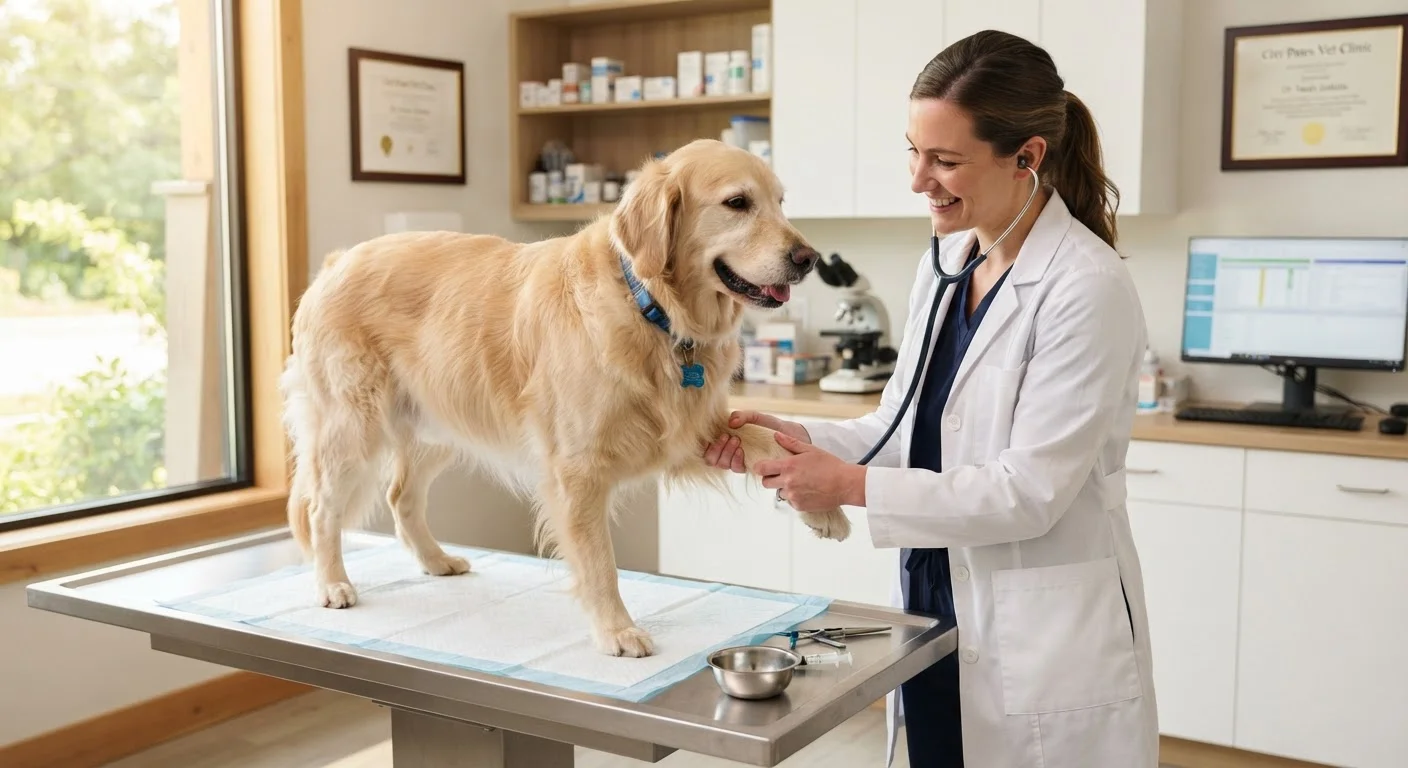
Photo credit: TurboBlogs.net | Explore Blogs At Turbo Speed
In this article
Preventive veterinary care catches problems before symptoms appear. Here's what routine checkups actually screen for and why they matter.
Key Takeaways
- Pets instinctively hide illness, so symptoms often appear only after a problem has significantly progressed.
- Annual exams screen for conditions like dental disease, obesity, heart murmurs, and early organ dysfunction.
- Bloodwork and urinalysis at routine visits establish a baseline that makes future changes easier to detect.
- Vaccinations and parasite prevention are adjusted at each visit based on your pet's current lifestyle and risk.
- Senior pets - generally dogs over 7 and cats over 10 - typically benefit from twice-yearly checkups.
- The cost of preventive care is almost always lower than treating advanced illness or emergency conditions.
The Hidden Health Problem With 'Perfectly Fine'
Dogs and cats are remarkably skilled at masking discomfort. This trait is rooted in evolutionary biology - animals that appeared weak were vulnerable to predators, so hiding pain became a survival strategy. The practical result for pet owners today: your pet can be dealing with significant health issues - dental disease, early kidney decline, a heart murmur, a growing mass - while behaving entirely normally at home.
By the time symptoms become obvious enough for an owner to notice, a condition has often had months or years to progress. That's not a failure of observation on your part; it's simply how animals are wired. Annual vet visits exist precisely to close that gap between how a pet looks and what's actually going on inside their body.
The same logic applies across many kinds of maintenance. Just as skipping routine car maintenance compounds into expensive repairs, deferring vet visits allows small, treatable problems to grow into complex, costly ones.
What a Routine Exam Actually Screens For
A skilled veterinarian covers a lot of ground in a single wellness visit. Beyond checking weight and updating vaccines, they're conducting a systematic physical assessment that spans:
- Dental health: Periodontal disease affects the majority of pets over age three and is a leading source of chronic pain - yet most owners never see signs of it at home.
- Heart and lungs: A stethoscope can detect murmurs or abnormal breathing patterns well before a pet shows exercise intolerance or fatigue.
- Eyes, ears, and skin: Early infections, allergies, and growths are far easier to manage when caught early.
- Lymph nodes and abdomen: Palpation can reveal enlarged lymph nodes or abdominal masses that aren't visible externally.
- Body condition: Overweight pets face significantly elevated risks for diabetes, joint disease, and heart problems. A vet's assessment is more calibrated than an owner's eye.
~80%
Pets with dental disease by age 3
The American Veterinary Medical Association estimates that most dogs and cats show signs of periodontal disease by their third birthday, often without obvious symptoms.
6-7x
Human years per cat/dog year (adult)
Because pets age at a compressed rate relative to humans, a single calendar year represents a significant portion of an animal's lifespan - making annual exams the equivalent of years of elapsed health time.
1 in 3
Pets diagnosed with cancer in their lifetime
According to the National Canine Cancer Foundation, cancer is one of the leading causes of death in older pets, underscoring the value of regular physical exams for early detection.
Blood panels and urinalysis, often recommended annually for middle-aged and senior pets, can flag early kidney disease, liver changes, thyroid imbalances, and diabetes - all conditions that respond much better to treatment when caught before they become symptomatic.
Vaccinations, Parasites, and Lifestyle-Based Risk
Annual visits aren't just about examining your pet - they're also a chance to recalibrate preventive treatments based on how your pet's life has actually changed over the past year. A dog that started going to a boarding facility has different exposure risks than one that rarely leaves the backyard. A cat whose lifestyle has shifted matters too - the tradeoffs between indoor and outdoor living directly affect which vaccines and parasite screenings are appropriate.
Parasite prevention - heartworm, fleas, ticks, intestinal worms - is another area where consistency matters enormously. Gaps in prevention can have serious health consequences, and your vet can help you choose an approach that fits your pet's actual risk level rather than defaulting to a one-size-fits-all routine.
Make the Most of Every Visit
Before each annual appointment, jot down any behavioral changes, appetite shifts, new lumps, or changes in water intake or bathroom habits - even if they seem minor. These details give your vet valuable context that a physical exam alone can't provide. Bringing a list means you won't forget anything in the moment.
Senior Pets and the Case for Twice-Yearly Visits
As pets age, their health can shift more rapidly. Most veterinary guidelines classify dogs as seniors around age seven (earlier for large breeds) and cats around age ten. At these life stages, conditions like hyperthyroidism in cats, cognitive decline in dogs, and arthritis in both species become significantly more common.
The guidance for senior pets generally shifts to twice-yearly checkups - not because they're necessarily sicker, but because the window between a problem developing and becoming serious narrows with age. Understanding how older pets' needs change is a natural extension of committing to regular vet care throughout their lives.
It's also worth noting that behavior changes in pets of any age can signal medical issues. If your dog's temperament or energy levels shift noticeably, that warrants attention beyond the annual schedule - knowing when a behavior change warrants a vet call is a skill every owner benefits from developing.
Planning for the financial side of pet care is a real part of responsible ownership too. Whether you opt for pet insurance or a dedicated savings approach, understanding how each option works can help you stay prepared rather than caught off guard.
This article is for general informational purposes only and does not constitute veterinary advice. Always consult a licensed veterinarian for guidance specific to your pet's health needs.
Frequently Asked Questions

Author
Lifestyle & Shopping Editorial Team
Lifestyle & Shopping Editorial Team is the collective byline for our editorial team and contributor network. Articles published under this byline or an editorial pen name are researched, written, and reviewed according to our editorial standards for clarity, consistency, and independence before publication.
View all articles →